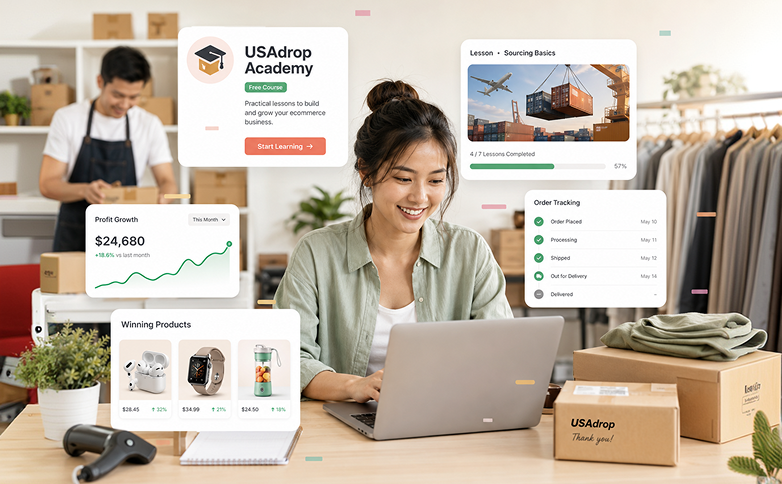
Learning to dropship from the right source can mean the difference between a profitable business and an expensive mistake. Whether you’re brand new or looking to sharpen your skills, finding a quality dropshipping course has never been more important — or more confusing. The market is flooded with YouTube gurus, $997 “masterclasses,” and Udemy bundles that promise overnight success. This guide cuts through the noise, ranks the 10 best options honestly, flags the red flags you need to watch for, and helps you figure out which learning path actually fits your goals.
Free vs. Paid Courses: Key Differences
Not all dropshipping education is created equal, and the price tag alone tells you very little about quality. Free courses — primarily found on YouTube, Reddit, and platform-native learning centers like Shopify Learn — can be surprisingly comprehensive for foundational knowledge. They cover store setup, niche selection, and basic ad strategy without asking for your credit card. The catch is that free content often lacks structure, accountability, and updated information. A YouTube tutorial from 2021 may teach you tactics that no longer work on Meta Ads or TikTok Shop.
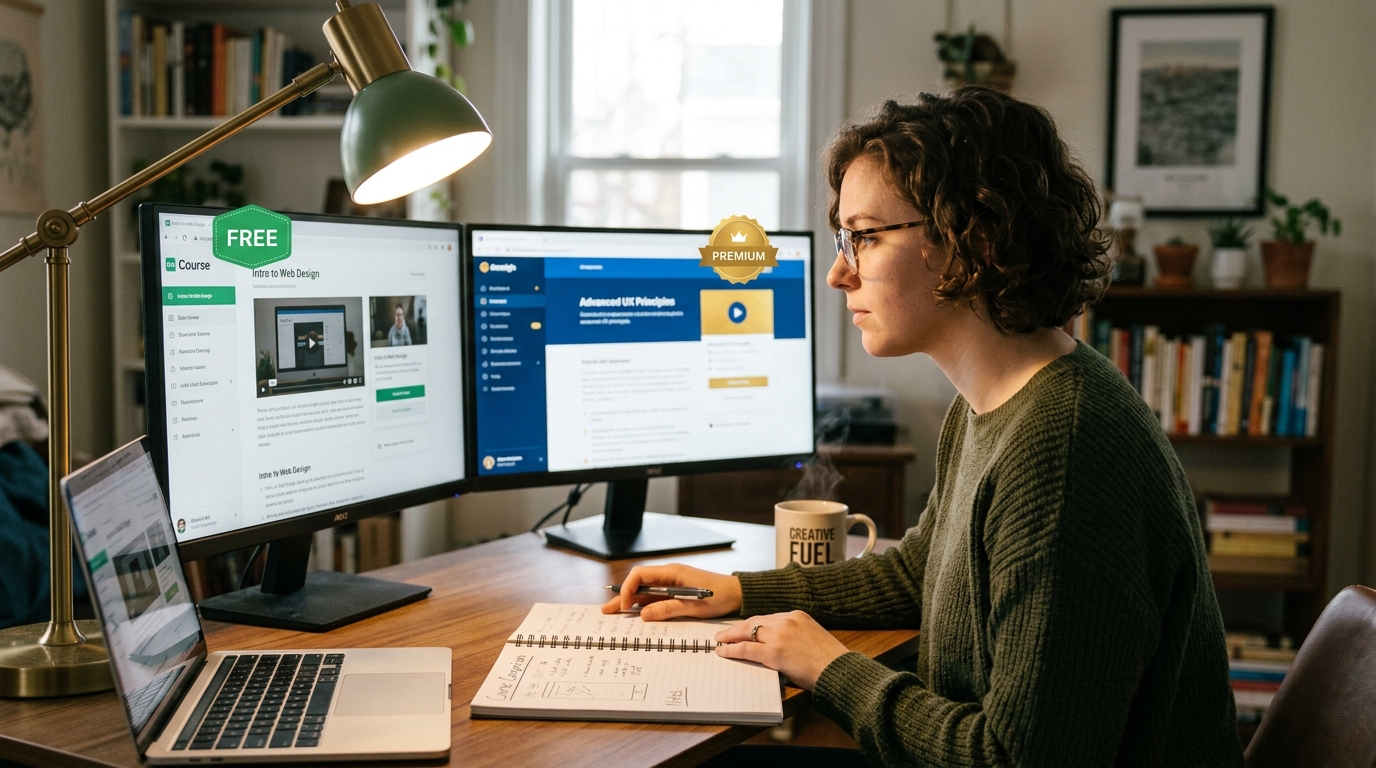
Paid courses, on the other hand, range from legitimate structured programs to outright cash grabs. The best paid options offer live coaching, private communities, real supplier contacts, and regularly updated modules. The worst are nothing more than a recycled PDF and a 45-minute Zoom replay dressed up in a $1,500 price tag. Value comes from what you do with the material, not what it costs. Before committing money, always check whether the curriculum is dated, whether the instructor actually runs an active store, and whether the community is genuine or just a sales funnel.
A smart approach is to start with free resources to build your base, then invest in a paid course or platform membership once you know enough to evaluate what you’re actually buying. Understanding what is dropshipping before you spend a dollar on education is step one.
Top 5 Free Dropshipping Courses
1. Shopify Learn — Dropshipping Foundations
Shopify’s own learning platform offers a structured, self-paced course that walks beginners through store setup, product research, and fulfillment basics. It is entirely free, well-organized, and updated on a relatively consistent basis — a rarity in the free education space. The modules cover domain setup, theme customization, payment gateways, and basic supplier integration, making it one of the most complete zero-cost starting points available.
Key Features: Self-paced video modules, written guides, direct integration with Shopify’s help documentation, and periodic updates aligned with Shopify platform changes.
Pros:
- Completely free with no upsell pressure
- Content is maintained by Shopify’s own team, so platform-specific guidance is accurate
- Beginner-friendly pacing with clear structure
- Pairs naturally with setting up a live Shopify store simultaneously
Cons:
- Heavily Shopify-centric — supplier sourcing depth is thin and largely points toward Shopify’s own app marketplace
- Does not cover paid advertising in meaningful detail
- Limited coverage of non-Shopify platforms like WooCommerce or TikTok Shop
- No community or accountability component
Best for: Complete beginners who have chosen Shopify as their platform and want a free, structured foundation before investing any money. This is a starting point, not a complete education — plan to supplement with YouTube content once the basics are covered.
2. AutoDS YouTube Academy
AutoDS has built a genuinely useful free library on YouTube covering product research, automation, and platform-specific walkthroughs for eBay, Shopify, and Facebook Marketplace. The channel is actively maintained with fresh uploads, which matters in a fast-moving industry.
Key Features: Platform-specific tutorial series for eBay, Shopify, and Facebook Marketplace; product research walkthroughs; automation setup guides; regular uploads covering new platform changes and tools.
Pros:
- Actively updated — new content reflects current platform realities, not 2020-era tactics
- Strong focus on automation, which is a genuine time-saver for new operators
- Multi-platform coverage is broader than most free YouTube channels
- AutoDS instructors run the software themselves, so tool integration advice is accurate
Cons:
- Content is naturally biased toward the AutoDS software ecosystem, so you’ll hear AutoDS recommendations frequently
- No structured curriculum path — you must curate your own learning sequence from individual videos
- Depth on paid advertising is limited compared to dedicated ad-focused channels
- Community access requires an AutoDS software subscription, not free
Best for: Beginners to intermediate learners who are considering automation tools early in their journey and want to understand how platforms like eBay and Facebook Marketplace fit into a broader dropshipping operation. Also useful for anyone already using or evaluating AutoDS software.
3. Verum Ecom (YouTube)
Verum Ecom is one of the most underrated free educators in the dropshipping space. The channel produces detailed, tactics-focused content that goes considerably deeper than the surface-level advice dominating most YouTube dropshipping content. What distinguishes Verum Ecom from other free creators is a consistent willingness to discuss failure rates, margin realities, and why most beginners struggle — rather than leading with income screenshots and lifestyle content.
Key Features: In-depth ad strategy breakdowns, product research methodology videos, case studies with honest outcome reporting, and platform-specific content covering Meta Ads and TikTok.
Pros:
- Refreshingly honest about the difficulty and failure rates in dropshipping — sets realistic expectations
- Ad strategy content is genuinely detailed and goes beyond beginner-level advice
- No aggressive upsell into a paid program or mastermind
- Particularly strong on creative strategy and ad testing frameworks
Cons:
- Not structured for complete beginners — assumes working knowledge of store setup and basic sourcing
- Upload frequency is inconsistent compared to larger channels
- No community component or direct access to the instructor
- Some older videos on AliExpress sourcing are less relevant given current shipping timelines
Best for: Intermediate learners who already understand store setup basics and want to improve their paid advertising strategy, particularly on Meta and TikTok. Not recommended as a first resource — consume Shopify Learn or Wholesale Ted first, then graduate to Verum Ecom’s content.
4. Wholesale Ted (YouTube)
Sarah Chrisp’s Wholesale Ted channel is one of the most consistently reliable free resources in the dropshipping and e-commerce education space. Running for several years with a large subscriber base, the channel covers print-on-demand, Etsy dropshipping, and general Shopify store setup with a level of clarity that is genuinely beginner-accessible without being condescending. Sarah is one of the few free educators who addresses supplier vetting in practical, actionable terms rather than simply pointing viewers at AliExpress.
Key Features: Print-on-demand tutorials, Etsy and Shopify setup walkthroughs, supplier vetting guides, business structure basics, and product research methodology.
Pros:
- Exceptionally clear explanations — accessible to complete beginners with no prior e-commerce experience
- Honest about costs, timelines, and realistic income expectations
- Strong coverage of print-on-demand as an alternative to standard dropshipping
- Supplier vetting content is more practical than most free YouTube channels
- Regular uploads with content that reflects current platform changes
Cons:
- Heavy focus on print-on-demand and Etsy means coverage of standard AliExpress or US-supplier dropshipping is thinner
- Paid advertising depth is limited — Meta Ads and TikTok strategy are not primary focus areas
- Some viral videos from 2020–2021 appear outdated in search results; check upload dates carefully
- No structured course path — content is organized by topic rather than beginner-to-advanced progression
Best for: Complete beginners, particularly those interested in print-on-demand or Etsy as their primary channel. Also valuable for anyone wanting an honest, grounded perspective on what dropshipping actually involves before committing to a business model or platform.
5. Coursera / Alison — E-commerce Fundamentals
Platforms like Alison and Coursera offer free audit options on broader e-commerce courses that include dropshipping modules. These are academic in tone but provide a solid theoretical framework that complements hands-on practice. If you want a certificate for credibility or personal discipline, the paid upgrade is typically under $50.
Key Features: Structured academic curriculum, certificate options, modules covering e-commerce fundamentals, supply chain basics, digital marketing principles, and consumer behavior theory.
Pros:
- Legitimate certificates that carry more credibility than a YouTube playlist
- Structured curriculum with clear learning outcomes and assessments
- Covers theoretical foundations that YouTube content rarely addresses — useful for understanding why tactics work, not just how
- Free audit option means you can evaluate content before paying for certification
- Alison courses are entirely free; Coursera audit is free with paid certificate option
Cons:
- Academic tone can feel slow and abstract compared to practitioner-led content
- Dropshipping-specific content is a module within broader e-commerce courses, not a dedicated curriculum
- Does not cover current platform-specific tactics — TikTok Shop, Meta Ads creative strategy, and modern supplier networks are absent
- Certification carries limited weight in the dropshipping community compared to demonstrated store results
Best for: Learners who benefit from structured, assessment-based education rather than self-directed video consumption. Also suitable for anyone who wants a foundational business and marketing framework before diving into platform-specific tactics, or those who need a verifiable credential for professional purposes.
Top 5 Paid Dropshipping Courses
6. eCom Elites (Franklin Hatchett) — ~$197
Franklin Hatchett’s eCom Elites is consistently ranked among the best value-for-money paid courses available. It covers Facebook Ads, Google Ads, email marketing, and Shopify store setup in a structured format with lifetime access. The price point is honest, the community is active, and Franklin still runs stores himself. It’s one of the few paid programs where the cost-to-content ratio actually holds up under scrutiny.

Key Features: Facebook Ads modules, Google Shopping setup, email marketing sequences, Shopify store build walkthroughs, product research methodology, private Facebook community, and lifetime access with updates.
Pros:
- Exceptional value at ~$197 compared to programs charging five to ten times the price for similar content depth
- Covers multiple traffic channels — Facebook, Google, and email — rather than focusing on a single platform
- Franklin is demonstrably active in e-commerce and updates the course when major platform changes occur
- Private community is genuinely active and useful, not just a promotional channel
- One-time payment with lifetime access — no ongoing subscription fees
Cons:
- Production quality is functional but not polished — some learners find the presentation style less engaging than higher-budget alternatives
- Coverage of TikTok organic and TikTok Shop strategy is thinner than more recently launched programs
- No live coaching component — all content is pre-recorded
- Community is on Facebook, which some users find less convenient than Discord-based communities
Best for: Beginners to intermediate learners who want a comprehensive, multi-channel paid education at an honest price point. Particularly well-suited to anyone who has exhausted free resources and wants structured guidance on paid advertising without committing to a $1,000+ program.
7. Dropship Lifestyle (Anton Kraly) — $1,497+
Dropship Lifestyle is a premium program focused on high-ticket dropshipping — selling products priced $200 and above. The methodology is sound, the community is large and supportive, and Anton has been in the space for over a decade. The price is steep, and the upsell structure can feel aggressive, but if high-ticket is your model, the curriculum is among the most thorough available. Be cautious of the live events upsell unless you have a clear ROI reason to attend.
Key Features: High-ticket niche selection framework, US-based supplier outreach templates, Google Ads strategy for high-ticket products, conversion optimization modules, private community access, live retreat option, and course updates.
Pros:
- One of the most thorough high-ticket dropshipping curricula available — the methodology is well-developed and has real-world validation
- Anton has been operating in this space since the early 2010s and updates the program as the market evolves
- Community is large and includes genuine success stories that are independently verifiable
- Supplier outreach templates and niche selection framework are genuinely useful and not easily found in lower-cost programs
- Focus on US-based suppliers means shorter shipping times and fewer quality control issues than AliExpress-centric programs
Cons:
- $1,497 entry price is a significant commitment that requires serious vetting before purchase
- Upsell structure for live events and additional coaching can push total spend well beyond the base price
- High-ticket model requires more upfront capital for ads and longer testing periods — not suitable for those with very limited budgets
- Some students report that supplier outreach is harder than the course implies, particularly in competitive niches
- Customer support response times have received mixed reviews in independent forums
Best for: Entrepreneurs who have validated a basic dropshipping model and want to move specifically into high-ticket, US-based supplier operations. Not recommended for complete beginners or those with limited starting capital — the high-ticket model requires patience and financial runway that a first-time operator may not have.
8. The Real World / Ecom Campus (Tate) — ~$49/month
This is polarizing for obvious reasons. The Ecom Campus inside Andrew Tate’s platform teaches Shopify dropshipping with an emphasis on organic TikTok and product research. The actual curriculum quality is decent for beginners, and the price is accessible. However, the cult-of-personality dynamic and heavy promotional pressure within the community are legitimate red flags. Evaluate the content on its own merits and ignore the hype ecosystem around it.
Key Features: Shopify store setup modules, organic TikTok strategy, product research frameworks, community access with peer accountability, and regular live calls with campus instructors.
Pros:
- At ~$49/month, the price point is accessible and the subscription model means no large upfront commitment
- Organic TikTok content is among the more current and practically useful elements of the curriculum
- Community is large and active, which can provide accountability and peer learning
- Live calls provide some interactivity that pre-recorded-only programs lack
Cons:
- The cult-of-personality environment around the platform creates significant social pressure that can distort objective evaluation of your own results
- Heavy promotional culture within the community rewards hype over honest reporting of outcomes
- Andrew Tate’s public controversies create reputational risk that some learners may reasonably want to avoid
- Curriculum depth on paid advertising is thinner than eCom Elites at a similar or higher annual cost
- Monthly subscription means total cost accumulates — six months equals approximately $300, at which point eCom Elites’ one-time fee becomes more economical
Best for: Beginners specifically interested in organic TikTok as a traffic strategy who want a low upfront financial commitment. Approach with clear-eyed skepticism about the surrounding community culture and evaluate results objectively rather than being influenced by the platform’s promotional environment.
9. Udemy — Various Instructors (~$15–$30 on sale)
Udemy dropshipping courses are cheap, widely available, and highly variable in quality. The best ones — look for instructors with 4.4+ ratings and recent update dates — cover Shopify, AliExpress sourcing, and basic paid ads. The worst are 3-hour courses that haven’t been touched since 2019. Never pay full price; Udemy runs 70–80% off sales constantly. At $15, even a mediocre course can yield one or two useful insights.
Key Features: Self-paced video modules, lifetime access, certificate of completion, Q&A sections where instructors occasionally respond, and a wide range of topics from basic store setup to niche-specific strategies.
Pros:
- Extremely low cost when purchased on sale — typically $15 to $30, making financial risk minimal
- Lifetime access means you can revisit material as your knowledge grows
- Wide selection allows you to find courses focused on specific topics — Google Ads, product research, or print-on-demand — rather than paying for a broad curriculum when you only need specific knowledge
- User reviews and ratings provide a reasonable quality filter before purchasing
- Certificate of completion available for those who want a credential
Cons:
- Quality varies enormously — a 4.3-rated course from 2019 with no updates can still surface prominently in search results
- Instructors have limited financial incentive to update courses post-launch, so outdated content is a persistent problem
- No community, live coaching, or accountability component
- Some courses are thinly disguised promotional vehicles for an instructor’s software or mastermind
- Q&A sections are frequently inactive, leaving learners without support when they encounter problems
Best for: Learners who want to fill specific knowledge gaps rather than follow a comprehensive curriculum — for example, someone who understands store setup but wants a dedicated Google Shopping Ads module. Also suitable as a very low-risk entry point for complete beginners who are not yet ready to commit to a more structured paid program.
10. USADROP Membership — Practical, Supplier-Level Education
This is the option that most dropshipping course roundups ignore because it does not fit the traditional course format — but for many operators, it delivers more practical value than a video program alone. The dropshipping platform from USADROP pairs hands-on store launch support with direct access to a vetted supplier network, meaning you learn by executing real sourcing decisions rather than watching simulated ones.
Key Features: Access to 18 global warehouses, real-time inventory and pricing tools, product sourcing assistance, store launch support, dedicated agent access, and pricing that runs approximately 8.66% below standard market rates. The membership includes onboarding guidance that functions as practical education in supplier management, order fulfillment workflows, and cost structure analysis.
Pros:
- Learning is embedded in real operational activity — you are sourcing actual products while developing skills, which compresses the gap between theory and execution
- Supplier network is vetted and includes domestic warehouse options, which addresses one of the most common pain points new operators face with AliExpress-based sourcing
- Over 80 million orders of operational experience behind the platform — guidance is grounded in real fulfillment data, not theoretical best practices
- Dedicated agent model means you have a human contact for sourcing questions rather than a support ticket queue
- For operators who have completed a traditional course and need to move into execution, USADROP membership removes the friction of supplier discovery
Cons:
- This is not a traditional video course — there are no structured lesson modules, assessments, or curriculum milestones. Learners who need step-by-step instructional content should complete a course like eCom Elites or Shopify Learn first
- Membership pricing tiers vary; prospective members should review current pricing at usadrop.com/membership directly, as rates and tier structures are updated periodically
- The practical learning model requires you to be actively building a store — it is not suitable as a passive education resource
- Not a standalone solution for complete beginners who have not yet chosen a niche or platform
Best for: Operators who have completed foundational education and are ready to move into active store building and supplier management. Also well-suited to anyone who has been held back not by knowledge gaps but by the practical challenge of finding reliable suppliers and navigating fulfillment logistics. Pair with a structured dropshipping course for the most complete preparation.
Quick Comparison: All 10 Courses at a Glance
| # | Course | Price | Format | Best For |
|---|---|---|---|---|
| 1 | Shopify Learn | Free | Self-paced video | Complete beginners on Shopify |
| 2 | AutoDS YouTube Academy | Free | YouTube series | Beginners exploring automation |
| 3 | Verum Ecom | Free | YouTube channel | Intermediate — ad strategy focus |
| 4 | Wholesale Ted | Free | YouTube channel | Beginners, print-on-demand interest |
| 5 | Coursera / Alison | Free (cert ~$50) | Structured academic | Theory-focused or credential seekers |
| 6 | eCom Elites | ~$197 one-time | Video + community | Best value paid — multi-channel ads |
| 7 | Dropship Lifestyle | $1,497+ | Video + community + events | High-ticket model, experienced operators |
| 8 | The Real World / Ecom Campus | ~$49/month | Video + community + live calls | Organic TikTok, low upfront budget |
| 9 | Udemy | $15–$30 on sale | Self-paced video | Filling specific knowledge gaps |
| 10 | USADROP Membership | Varies by tier | Hands-on platform access | Execution-ready operators, supplier access |
Guru Red Flags to Watch For
The dropshipping education space has a documented problem with misinformation, and knowing the warning signs protects your wallet and your time. The most common red flag is income claim marketing — screenshots of Shopify dashboards showing $50,000 months with zero context around ad spend, returns, or chargebacks. Revenue is not profit. Any educator who leads with revenue screenshots without discussing margins is either uninformed or deliberately misleading you. This applies whether you’re evaluating a free YouTube channel or a $2,000 dropshipping course — the red flag is the same regardless of price.
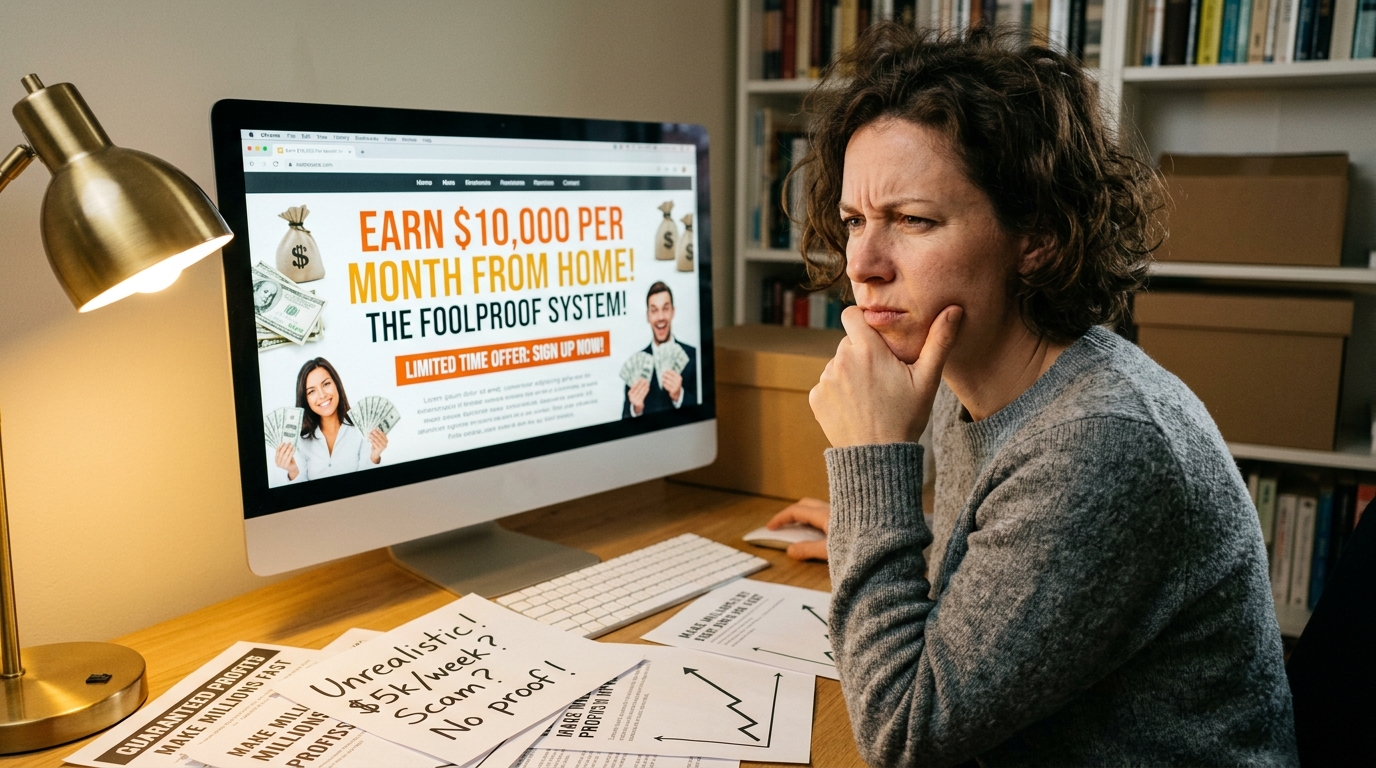
The second major red flag is outdated curriculum dressed as current. A course that still teaches AliExpress standard shipping as your primary fulfillment model, or hasn’t addressed TikTok Shop, is behind the times. The how to start dropshipping landscape changed significantly between 2022 and 2026. Any dropshipping course that hasn’t been updated in 18+ months should be viewed skeptically — check the last update date before purchasing, and search Reddit and independent forums for recent student reviews.
Third, watch for closed ecosystem upsells. Some course platforms are specifically designed to funnel you from a $97 intro course into a $2,000 mastermind, then a $5,000 coaching package, then a $10,000 retreat. The original course exists as a marketing tool, not a complete education. Legitimate educators have pricing that’s clear upfront and don’t require you to buy three more products to get the “real” information. Always check community forums and Reddit threads before purchasing any premium program — genuine student outcomes are searchable if they exist.
Choosing Your Ideal Course
Choosing the right dropshipping course comes down to three variables: your current knowledge level, your available budget, and your intended business model. A complete beginner should not be spending $1,500 on a high-ticket dropshipping course before they’ve launched a single test store. Start free, get your hands dirty, and spend money on education only once you understand enough to evaluate what you’re buying.
Your business model matters enormously here. If you’re exploring dropshipping business ideas in the fashion or home goods space, a general Shopify course paired with a solid supplier relationship will outperform a niche-specific coaching program. If you’re going high-ticket with US-based suppliers, Dropship Lifestyle or a similar program may genuinely accelerate your timeline. Match the course to the model, not the other way around.
Finally, prioritize courses that offer community access and updated content over those with the largest launch budgets or the most polished sales page. The dropshipping landscape shifts constantly — algorithm changes, new platforms, shifting consumer behavior. A course that was best-in-class in 2023 may be actively harmful in 2026 if it’s teaching outdated ad strategies or ignoring supply chain realities. Look for instructors who are visibly active in their own businesses, not just in their marketing funnels.
FAQ
Is a free dropshipping course enough to start?
Yes, for foundational knowledge a free course can be sufficient to launch your first store — the real education comes from running actual campaigns and testing products. Pair free courses with a reliable supplier platform to learn by doing.
How much should I spend on a dropshipping course?
A legitimate paid course should cost between $100 and $500 for solid value; anything above that requires serious vetting of student outcomes and curriculum depth. Never pay premium prices based on income screenshots alone.
Are dropshipping courses worth it in 2026?
Quality courses are worth it if they’re updated, community-supported, and taught by active practitioners — outdated or guru-driven courses are rarely worth any price. Always verify the last update date and check independent reviews before buying.
What’s the fastest way to learn dropshipping practically?
The fastest practical education combines a structured beginner course with immediate store setup and real supplier access — watching videos without building anything slows your learning curve significantly. Platforms that combine education with operational tools compress that timeline considerably.
Can I learn dropshipping without a course?
Absolutely — many successful operators learned entirely through free resources, supplier documentation, and trial and error. The value of a course is structure and time savings, not exclusive information.
Your best next step isn’t just finding the right course — it’s pairing that knowledge with infrastructure that actually works. USADROP gives you access to a battle-tested wholesale dropshipping operation with 18 warehouses, competitive pricing, and the ability to launch your store within 24 hours. Whether you’re finishing your first free YouTube course or wrapping up a paid program, USADROP’s membership bridges the gap between theory and execution. Visit usadrop.com/membership to see how real fulfillment experience accelerates everything you’ve learned.