Dropshipping has been quite a hit for a while due to its zero inventory. And that’s exactly what thousands of start-ups do every day through dropshipping. This retail model has grown into a $476 billion industry, and it’s changing the way people sell products online. But in 2026, there are better ways to do dropshipping and as a brand that’s been in this industry for ten years, we’ve seen loads of people getting 10 figures from nothing or little investments, and that’s we are here to share some insights and methods.
We’re breaking down everything you need to know about dropshipping—from how the business model actually works to whether it’s the right fit for your goals. No fluff, just the facts you need to make an informed decision.
What Is Dropshipping?
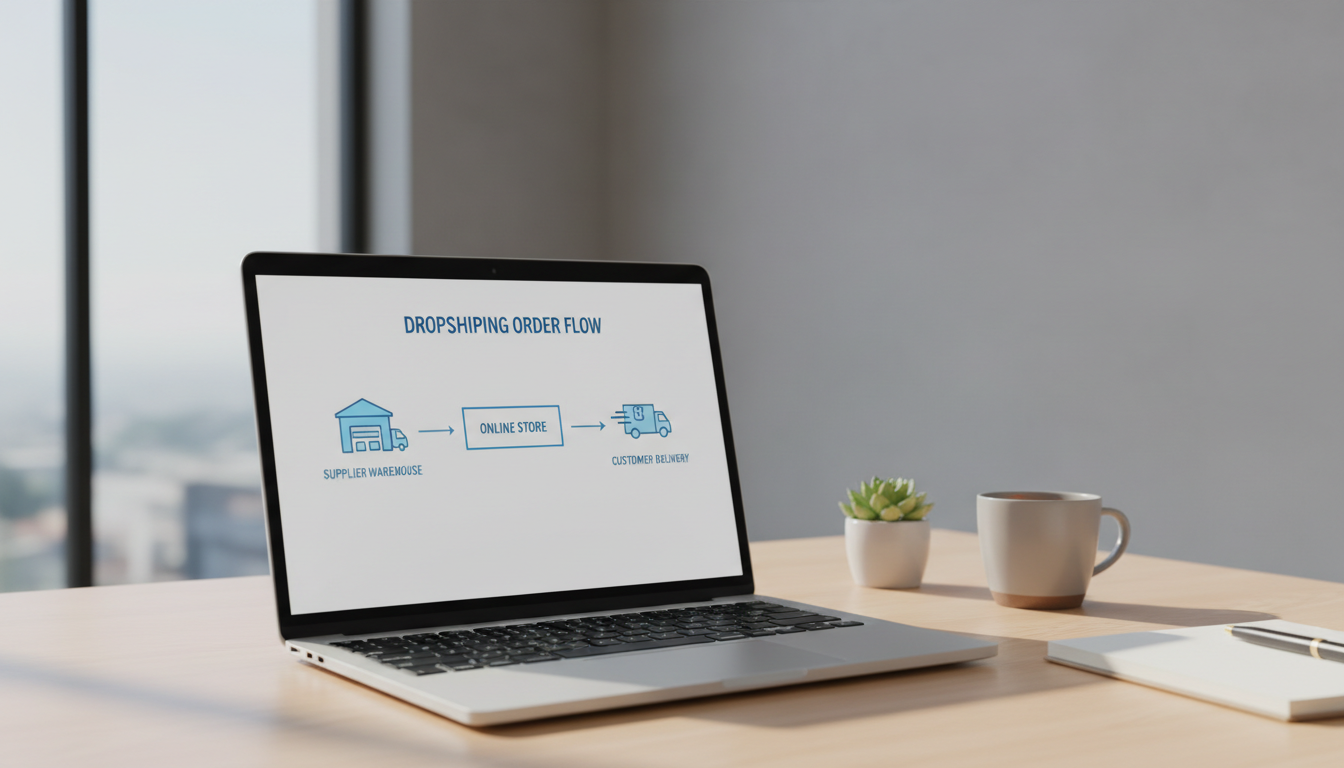
Dropshipping is a retail fulfillment method where you sell products without keeping any inventory on hand. Instead of stocking shelves or renting warehouse space, you partner with third-party suppliers like USAdrop who handle storage, packaging, and shipping directly to your customers.
Here’s how it works in simple terms: You set up an online store and list products from your supplier. When someone buys from you, you purchase that item from your supplier at wholesale price. The supplier then ships it straight to your customer’s doorstep. You never touch the product yourself.
This means you’re essentially the middleman—or as we like to think of it, the curator and marketer. Your job is to choose great products, build a compelling online store, and drive customers to it. The heavy lifting of logistics? That’s handled by your partners.
How Does Dropshipping Work?

Let’s walk through what actually happens when you run a dropshipping business. We’ll use a real example to make this clear.
Step 1: Set Up Your Online Store
You create your e-commerce website like Shopify and choose products to sell from dropshipping suppliers. Many sellers use platforms like Shopify, WooCommerce, or even Amazon. The key is making sure your store looks professional and trustworthy to shoppers. Don’t forget to design your store!
Step 2: Customer Places an Order
A customer visits your store, browses your products, and decides to buy. They add items to their cart and complete the checkout process—paying the retail price you’ve set. At this point, you’ve made a sale, but you haven’t shipped anything yet.
Step 3: You Forward the Order to Your Supplier
Once payment clears, you send the order details to your dropshipping supplier. If you’re using fulfillment services with automation tools, this step happens automatically. You pay the supplier their wholesale price, which is lower than what your customer paid you.
Step 4: Supplier Ships to Customer
Your supplier picks, packs, and ships the product directly to your customer’s address. Many suppliers will include your branding on packing slips so it looks like the package came from you. The customer receives their order within the expected timeframe.
Step 5: You Handle Customer Service
Even though you didn’t physically ship the product, you’re still the main point of contact. If customers have questions, need returns, or want support, they reach out to you. This is where building strong relationships with reliable suppliers becomes super important.
The profit you make is the difference between what the customer paid and what you paid your supplier, minus any fees, advertising costs, and platform charges.
Why Choose Dropshipping? Key Benefits
Dropshipping isn’t perfect for everyone, but it offers some real advantages that traditional retail can’t match.
Low Startup Costs
You don’t need thousands of dollars to buy inventory upfront. There’s no need to rent warehouse space or hire staff to manage shipping. Many people start dropshipping businesses with less than $500, covering just website costs, domain registration, and initial marketing.
Run Your Business From Anywhere
Since you’re not handling physical products, you can operate from a laptop and internet connection. Beach in Bali? Coffee shop in Brooklyn? Your home office? All work equally well. This flexibility appeals to digital nomads and anyone who values location independence.
Test Products Without Risk
Want to see if bamboo toothbrushes or LED dog collars will sell? With dropshipping, you can add products to your store and test demand without buying bulk inventory. If something doesn’t sell, simply remove it from your catalog. No wasted money on products gathering dust in a garage.
Scale Without Physical Limits
Growing from 10 orders per month to 100 doesn’t mean you need a bigger warehouse or more employees. Your supplier handles increased volume. We’ve seen sellers scale their product catalogs from 50 items to 500 without fundamentally changing their operations.
Focus on Marketing and Sales
Since logistics are outsourced, you can spend your energy on what actually drives growth: finding customers, creating compelling product descriptions, running ads, and building your brand. For people with marketing material support needs, this focus can be a game-changer.
What about Challenges and Trade-offs
Before you jump in, let’s talk about the reality check. Dropshipping isn’t a “get rich quick” scheme, and there are legitimate challenges you’ll face.
Lower Profit Margins
Because suppliers handle fulfillment, they charge more per unit than if you bought in bulk. Most dropshippers work with profit margins between 15% and 20%. That means every advertising dollar and every return matters more. You’ll need to sell more volume to hit the same profit levels as traditional retail.
Less Control Over the Customer Experience
You’re trusting suppliers to pack correctly, ship on time, and deliver quality products. If they mess up—wrong item, damaged goods, slow shipping—your customers will blame you, not the supplier. This is why vetting suppliers carefully is non-negotiable. And we’ve been in this business for decades, selecting the best suppliers is one of our top priorities. You can check all the products we provide t
High Competition
The low barrier to entry means lots of people are trying dropshipping. You might find yourself competing against dozens of stores selling the exact same product. Success comes from differentiation: better branding, faster shipping, superior customer service, or targeting a specific niche.
Inventory Issues
When you don’t control stock, you can’t always guarantee product availability. A supplier might run out of an item right after you’ve run a successful ad campaign. This can lead to disappointed customers and canceled orders.
Complex Shipping Scenarios
If a customer orders products from multiple suppliers, you might face tricky shipping situations. Different suppliers mean different shipping costs and delivery times. You’ll need to figure out how to charge shipping in a way that’s fair to customers while protecting your margins.
Choosing the Right Products and Suppliers
Your success in dropshipping heavily depends on two things: what you sell and who you partner with.
Product Selection Strategy
Look for products that solve real problems or meet genuine needs. The best dropshipping products typically have healthy demand but aren’t oversaturated. They’re small enough to ship economically but valuable enough to maintain decent margins.
Consider trending categories, but don’t just chase fads. Seasonal items can work if you plan ahead. Products that require repeat purchases—like supplements or beauty products—can build a loyal customer base over time.
Finding Reliable Suppliers
Research is everything here. Read reviews, order sample products yourself, and test their customer service responsiveness. Look for suppliers who offer reasonable shipping times—customers in 2026 expect delivery within days, not weeks.
Many successful dropshippers work with suppliers who offer private customization options or print-on-demand services. This lets you add unique touches that competitors can’t easily copy.
If you’re targeting specific markets, consider regional fulfillment options. For instance, businesses selling to Latin American customers might benefit from a LATAM dropshipping solution that reduces shipping times and customs complications.
Dropshipping vs. Traditional E-commerce
How does dropshipping stack up against other business models? Here’s a quick comparison.
Inventory Ownership
Traditional e-commerce: You buy inventory upfront, store it, and own it until sold.
Dropshipping: Supplier owns and stores inventory; you never touch it.
Upfront Investment
Traditional e-commerce: Higher—you need capital for inventory, storage, and shipping materials.
Dropshipping: Lower—mainly website costs and marketing budget.
Profit Margins
Traditional e-commerce: Higher per unit due to wholesale bulk pricing.
Dropshipping: Lower per unit because suppliers charge more for individual fulfillment.
Risk Level
Traditional e-commerce: Higher—you risk money on inventory that might not sell.
Dropshipping: Lower—you only buy products after customers have paid.
Control
Traditional e-commerce: Full control over packaging, shipping speed, and quality.
Dropshipping: Limited control—dependent on supplier performance.
Many smart business owners actually combine both models. They might stock their best-selling items while dropshipping slower-moving products or using it to test new offerings.
Making Money With Dropshipping: Is It Profitable?
Let’s talk numbers. Can you actually make money doing this?
The short answer: Yes, but it’s not automatic. Profitability depends on your product selection, marketing efficiency, and operational costs.
Realistic Profit Margins
Most dropshippers earn 15-20% profit margins after all expenses. If you sell a product for $50 and pay your supplier $30, you’ve got $20 to cover advertising, platform fees, payment processing, and then keep what’s left. That might mean $5-10 in actual profit per sale.
To make $5,000 profit per month at $10 per sale, you’d need to close 500 transactions. That requires consistent traffic, solid conversion rates, and efficient ad spending.
Where the Money Goes
Your revenue gets split between supplier costs (usually 50-70%), advertising (often 20-30%), platform fees (2-5%), payment processing (2-3%), and miscellaneous expenses. What’s left is your profit.
Scaling Strategies
Many successful dropshippers start small, identify winning products, then double down on what works. They might start with $500 in ad spend, find a profitable product, and gradually scale to thousands in monthly ad budgets as they reinvest profits.
Platforms like TikTok Shop have opened new avenues for dropshippers to reach customers through social commerce, often with strong conversion rates from video content.
Getting Started With Dropshipping
Ready to give it a shot? Here’s what you actually need to do.
Pick Your Niche
Don’t try to be everything to everyone. Choose a focused niche where you can build expertise and speak directly to a specific audience. Pet accessories for small dogs. Eco-friendly kitchen gadgets. Workout gear for seniors. Specificity helps you stand out.
Build Your Online Store
Choose an e-commerce platform and set up your storefront. Make it look professional—invest time in good product photos, clear descriptions, and easy navigation. First impressions matter online.
Find Your Suppliers
Research dropshipping suppliers thoroughly. Order samples to test quality and shipping times. Establish clear communication channels and understand their policies on returns, damages, and inventory updates.
Set Your Pricing
Calculate all your costs, then add your desired profit margin. Remember to factor in advertising costs when determining if a product will be profitable. Price competitively but don’t race to the bottom—compete on value, not just price.
Drive Traffic
This is where most of your work happens. You’ll need customers, which means marketing. Try a mix of strategies: social media advertising, content marketing, search engine optimization, influencer partnerships, or email marketing. Test, measure, and refine.
Provide Excellent Service
Answer customer questions quickly. Handle returns gracefully. Go above and beyond when problems arise. Your reputation is everything in e-commerce, and positive reviews drive future sales.
Common Mistakes to Avoid
We’ve seen these errors trip up beginners again and again.
Choosing Too Many Products
New sellers often think more products mean more sales. Actually, a focused catalog of 20-50 well-chosen items usually outperforms a scattered catalog of 500. Quality over quantity.
Ignoring Shipping Times
If your supplier takes 3 weeks to ship, you’ll get complaints and refund requests. Today’s customers expect fast delivery. Partner with suppliers who can deliver within 5-7 days when possible.
Skipping Product Testing
Never list products you haven’t personally seen or tested. Order samples yourself. Check quality, packaging, and actual shipping times. This small investment saves major headaches later.
Neglecting Customer Service
Some sellers treat dropshipping as passive income and ignore customer inquiries. Bad move. Responsive, helpful customer service turns one-time buyers into repeat customers.
Competing Only on Price
There’s always someone willing to sell for less. Build your competitive advantage on other factors: better product selection, superior customer service, faster shipping, or stronger brand identity.
Conclusion
Dropshipping offers a legitimate path to starting an online business without massive upfront investment. You can test products, reach global customers, and run operations from anywhere with internet access. The model works—evidenced by the hundreds of billions in annual sales.
But it’s not a magic money machine. Success requires smart product selection, reliable supplier relationships, effective marketing, and consistent customer service. Profit margins are tighter than traditional retail, and you’ll face competition from other sellers.
Think of dropshipping as a real business that happens to have lower barriers to entry. Treat it seriously, make data-driven decisions, and focus on creating value for customers. Do that, and you’ve got a solid shot at building something profitable.
The question isn’t whether dropshipping works—it does. The question is whether you’re willing to put in the work to make it work for you.
Frequently Asked Questions
Is dropshipping legal?
Yes, dropshipping is completely legal. It’s a standard fulfillment method used by businesses of all sizes. You just need to follow normal business laws—pay your taxes, comply with consumer protection regulations, and respect platform policies where you sell. Make sure you’re the seller of record for any products you sell, meaning you own them before customers purchase.
How much money do I need to start dropshipping?
You can start with as little as $200-500. This covers basic website setup, domain registration, and initial marketing costs. Unlike traditional retail, you don’t need thousands for inventory. However, having a $1,000-2,000 budget gives you more room to test products and run effective marketing campaigns.
Can I dropship on Amazon or eBay?
Yes, both platforms allow dropshipping under specific conditions. On Amazon, you must be the seller of record and identify yourself as such on all invoices and packaging. The supplier must ship products that don’t include their branding. eBay has similar policies. Always read and follow current platform guidelines as rules can change.
How long does it take to make money with dropshipping?
Most people see their first sales within the first month, but profitability takes longer. Expect 3-6 months to figure out which products work, dial in your marketing, and start generating consistent profit. Some people hit profitability faster; others take longer. It depends on your niche, marketing skills, and how much time you invest.
What’s the biggest challenge in dropshipping?
Finding reliable suppliers and standing out from competition are the two biggest hurdles. Many beginners also struggle with thin profit margins that don’t leave room for expensive advertising mistakes. Success comes from thorough supplier vetting, smart product selection, and learning marketing skills that actually convert browsers into buyers.