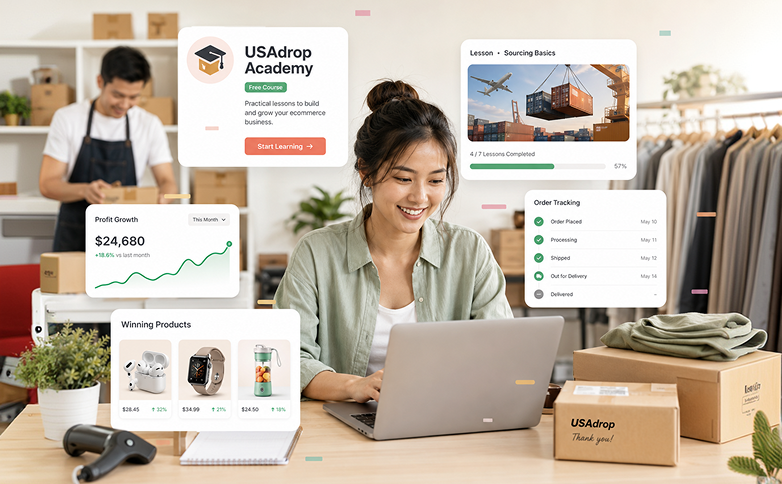
If you’ve been thinking about starting an online business but the thought of buying inventory, renting warehouse space, and managing shipments sounds overwhelming, ghost commerce might be exactly what you need. This business model has been gaining serious traction lately, and for good reason—it lets you sell products and make money without ever touching a single item.
Think of it like this: you’re running a store, but instead of stocking shelves and packing boxes, you’re focused entirely on marketing and connecting with customers. The physical side of things? Someone else handles that for you.
How Ghost Commerce Actually Works

Ghost commerce is a type of ecommerce that involves marketing an online store without developing, manufacturing, storing, or shipping the actual products. You’re basically the middleman who brings customers and products together.
Here’s the process: you set up an online presence—could be a website, social media account, or both. You promote products from third-party suppliers. When someone buys, the supplier handles everything from packaging to shipping. You earn money through commissions or markups, depending on your setup.
The beauty is in the simplicity. You’re not dealing with inventory headaches or shipping logistics. Your job is to drive traffic, create compelling content, and build trust with your audience. We’ve seen this model work particularly well for entrepreneurs who excel at digital marketing but don’t want the operational burden of traditional retail.
For those looking to streamline operations further, services like our fulfillment solutions can integrate seamlessly into your business model, handling the backend while you focus on growth.
Different Types of Ghost Commerce Models

Ghost commerce isn’t a one-size-fits-all approach. There are several ways to make it work, and you can choose the one that fits your skills and goals.
Dropshipping is probably the most popular form. With dropshipping, you sell products through your own online store without holding inventory—the supplier ships directly to your customer. You list products on your site, customers buy them, and your supplier handles fulfillment.
Affiliate marketing takes a different angle. Instead of running your own store, you promote other people’s products through special tracking links. When someone clicks your link and makes a purchase, you get a commission. No customer service, no order management—just pure promotion.
Print-on-demand lets you sell custom products like t-shirts, mugs, or phone cases. When someone orders, the item gets printed and shipped by your partner. This works great if you’re creative and want to sell your own designs without buying blank inventory upfront.
White labeling means you’re selling products made by another company under your own brand name. The manufacturer does the production, but customers see it as your product. This gives you more brand control compared to straight dropshipping.
Our private customization services can help you create unique branded products that stand out in the market.
Why People Are Jumping Into Ghost Commerce
The appeal is pretty straightforward. First, there are low startup costs—you don’t need thousands of dollars to get started. A laptop and internet connection can be enough, unlike traditional ecommerce businesses that typically require significant capital for inventory and warehousing.
You can test products and niches quickly. If something’s not selling, you switch gears without being stuck with unsold inventory gathering dust in your garage. This flexibility lets you rotate products and scale your offerings based on real customer responses.
The location independence is real. You can run this business from anywhere—your home, a coffee shop, or while traveling. There’s no physical location tying you down. We’ve seen people manage successful ghost commerce operations while working full-time jobs because automation tools handle much of the day-to-day work.
Scaling is easier too. Adding new products doesn’t mean ordering more inventory or finding bigger warehouse space. You just add new listings and find reliable suppliers to partner with.
The Challenges You Should Know About
Let’s be honest—ghost commerce isn’t all sunshine and easy money. There are real challenges you’ll face.
Profit margins can be tight. Without control over production and distribution, you can only charge a small markup on top of your supplier’s costs. While merchants with self-made products can use premium pricing strategies, ghost commerce sellers must keep pricing competitive with market conditions.
You’re also relying heavily on suppliers. Your success depends largely on your ability to partner with companies you can trust. If your supplier screws up a shipment or sends poor-quality products, your brand takes the hit. Customers don’t care that you didn’t pack the box—they bought from you, so you’re responsible in their eyes.
Competition can be fierce. Since the barriers to entry are low, lots of people are doing this. You need to differentiate yourself through branding, customer service, or finding unique product angles.
Building customer loyalty is tougher when you don’t control the full experience. People might not remember your brand if the product packaging looks generic and there’s nothing special about the delivery.
Ghost Commerce vs Traditional Ecommerce
The differences are pretty clear when you compare them side by side.
Traditional ecommerce means you own or manage inventory. You buy products in bulk, store them somewhere, and handle shipping yourself. This gives you total control over quality, packaging, and the customer experience. But it also means higher costs, more risk, and dealing with logistics.
With ghost commerce, you’re trading control for convenience and lower costs. You don’t own the products, don’t handle them, and don’t ship them. Your focus shifts entirely to marketing, customer acquisition, and building your brand online.
Which is better? Depends on what you want. If you’re testing ideas or want to start with minimal investment, ghost commerce makes sense. If you want complete control and higher profit margins, traditional ecommerce might be worth the extra effort.
How to Get Started With Ghost Commerce
Getting started isn’t complicated, but you need to be strategic about it.
Pick your niche carefully. Don’t just chase whatever’s trending on social media this week. Find a niche your target audience will genuinely connect with—whether it’s a distinct brand identity or an uncommon product angle. A focused niche helps you reach customers searching for something specific rather than competing with everyone.
Think about what you’re interested in and where there’s actual demand. Tools like Google Trends can show you what people are searching for. Reddit and niche forums can reveal pain points and desires within specific communities.
Choose your business model. Are you doing dropshipping, affiliate marketing, or something else? Each has different requirements. Dropshipping needs an online store. Affiliate marketing might just need a blog or social media presence.
Find reliable suppliers. This is huge. Your suppliers make or break your business. Research them thoroughly. Order samples to check quality. Read reviews from other sellers who’ve worked with them. Check their shipping times and return policies.
If you’re looking for dependable logistics partners, our fulfillment services can help ensure your customers get their orders on time, every time.
Build your online presence. Whether it’s a website, Instagram account, TikTok channel, or YouTube channel, you need somewhere to reach customers. Your brand identity matters here—even if you’re not making the products, you need to stand out.
For support with branding and promotional materials, check out our marketing material support to create professional content that converts.
Focus on marketing. Success relies on effective digital marketing strategies such as content creation, social media engagement, and influencer partnerships. Learn SEO, run social media ads, create valuable content, or partner with influencers. Your ability to drive traffic determines your success.
Is Ghost Commerce Actually Profitable?
Short answer: it can be, but there’s no guarantee.
The good news is that ghost commerce businesses typically require only a few hundred to a thousand dollars to get started—much less than traditional retail models that involve warehouse rentals, inventory purchases, and logistics management. So your risk is relatively low.
But profit margins vary widely. Affiliate marketing might give you 5-10% commissions. Dropshipping could offer 20-40% margins depending on your niche and competition. Print-on-demand can range from 20-50%.
The real money comes from scale and repeat customers. Selling 10 items a month won’t pay your bills. But building an audience, refining your marketing, and consistently driving traffic? That’s where people build actual businesses.
Some entrepreneurs make a few hundred bucks a month as a side hustle. Others scale to six or seven figures. The difference usually comes down to how much time and skill they put into marketing and customer acquisition.
Common Mistakes to Avoid
We’ve seen plenty of people struggle with ghost commerce because they make preventable mistakes.
Don’t pick products based solely on what’s viral right now. By the time you set everything up, the trend might be dead. Look for products with consistent demand, not just flash-in-the-pan popularity.
Don’t ignore customer service. Just because you’re not shipping products doesn’t mean you’re off the hook. You still need to respond to questions, handle complaints, and process returns. Poor customer service kills brands fast.
Don’t work with unreliable suppliers. Seriously, this will sink you. One bad supplier sending garbage products or missing delivery dates will destroy your reputation. Always vet your partners thoroughly.
Don’t neglect your brand. Even though you’re not making products, your brand is what sets you apart. Invest in good design, clear messaging, and consistent communication with your audience.
Don’t expect overnight success. Ghost commerce is a real business, not a get-rich-quick scheme. It takes time to build traffic, understand your market, and refine your approach.
The Future of Ghost Commerce
This model isn’t going anywhere. If anything, it’s growing. The global dropshipping market is expanding rapidly, with projections showing significant growth over the next decade as more entrepreneurs embrace inventory-free business models.
More platforms are making it easier to connect sellers with suppliers. Automation tools are getting better, reducing the manual work involved. Social commerce—selling directly through platforms like TikTok and Instagram—is creating new opportunities for ghost commerce sellers.
For sellers targeting specific markets, specialized solutions like our LATAM DP solution and TikTok Shop services can open up new revenue streams.
The key for future success will be differentiation. As more people jump into ghost commerce, the winners will be those who build real brands, provide genuine value, and create experiences that customers remember.
Conclusion
Ghost commerce offers a legitimate way to start an online business without the traditional barriers of inventory, warehousing, and shipping logistics. It’s not perfect—you’ll deal with lower margins, supplier dependencies, and fierce competition. But for the right person with good marketing skills and patience to build, it can work.
The model works best when you focus on building a real brand, choosing a specific niche, partnering with reliable suppliers, and consistently delivering value to your audience. It’s not about quick wins; it’s about building something sustainable.
If you’re willing to put in the work, learn digital marketing, and provide excellent customer experiences despite not controlling the physical products, ghost commerce can be your entry point into entrepreneurship. Just keep your expectations realistic and be ready to adapt as you learn what works in your specific market.