Starting a dropshipping business comes with unique challenges. You’ll source products, manage inventory, negotiate with suppliers, and make sure every order reaches your customers on time. But here’s the thing—you don’t have to do it all yourself.
Working with a dropshipping agent can save you time, reduce headaches, and help you build a real brand. These professionals act as the bridge between your online store and suppliers, handling everything from product sourcing to quality checks and shipping. But not all agents deliver the same value. The right choice can speed up your fulfillment and protect your margins. The wrong one can cost you customers.
In this guide, we’ll walk you through how to choose a dropshipping agent that actually fits your business goals. We’re covering the factors that matter most—from agent location and fulfillment capabilities to communication and pricing structures.
What Does a Dropshipping Agent Actually Do?
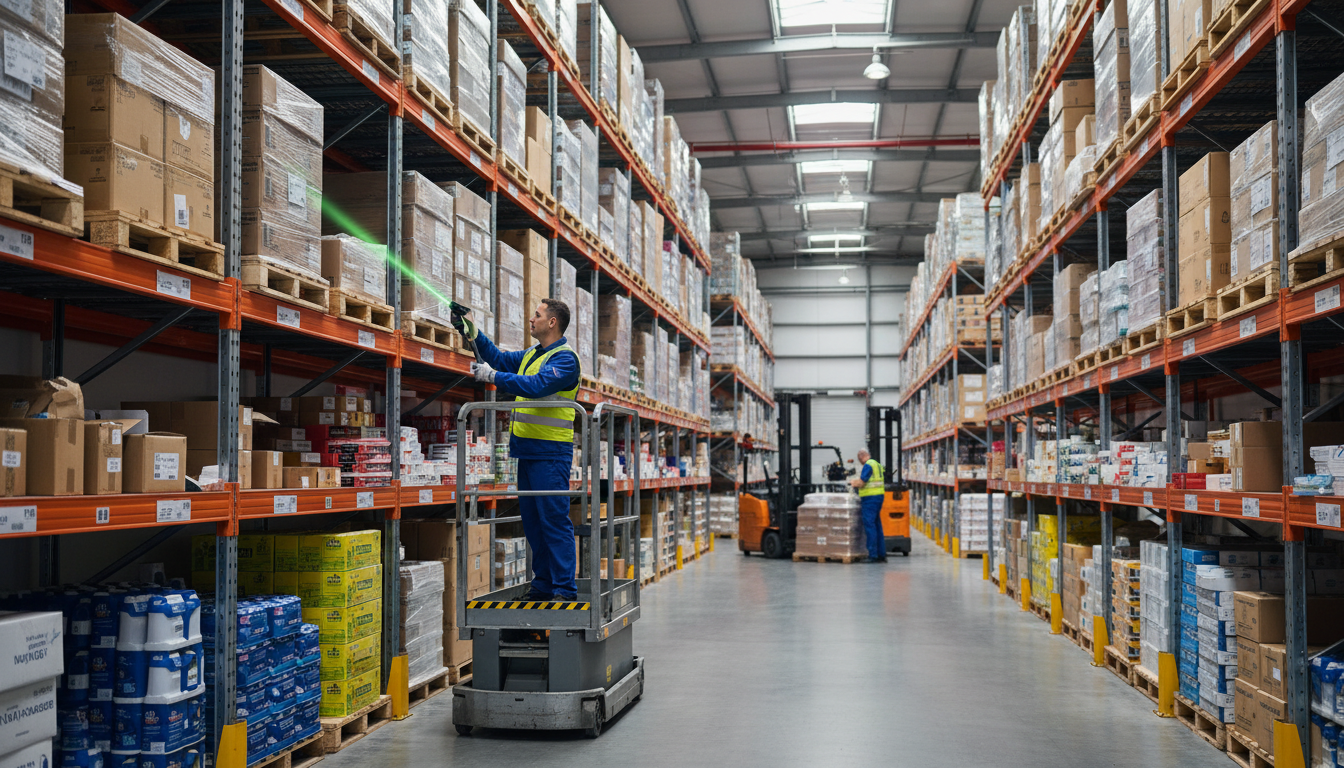
A dropshipping agent is different from a standard supplier. While suppliers simply provide products, agents offer hands-on support tailored to your store’s needs. They manage sourcing, negotiate with manufacturers, inspect product quality, coordinate logistics, and often handle private customization options like branded packaging.
Think of them as your operations partner. They’re based near manufacturing hubs (often in China) and have direct relationships with factories. This access lets them secure better prices, faster processing times, and more reliable quality control than you’d get ordering from retail platforms.
Some agents also provide value-added services like marketing material support to help you create better product listings and ad content. Others specialize in specific regions or fulfillment models, such as LATAM DP solutions for Latin American markets or print-on-demand services for custom designs.
The bottom line: agents take on the operational load so you can focus on growing your store.
Why Location Matters More Than You Think

Where your agent operates directly affects how fast your customers get their orders. If your agent is based in Shenzhen but your factory is in Yiwu, you could be adding 1 to 3 days to processing time. That delay adds up.
Most Chinese dropshipping agents operate out of major manufacturing cities like Guangzhou, Shenzhen, Shanghai, or Yiwu. Shenzhen is ideal for electronics and battery-powered products because of its proximity to Hong Kong International Airport. Yiwu specializes in small commodities like clothing, accessories, and home goods.
Make sure the agent you choose has warehouses or offices close to the factories producing your products. This reduces transit time between sourcing and shipping. Better yet, look for agents with warehouses in your target market—like the US, UK, or EU. Local warehouses can cut delivery times from 15 to 20 days down to just 3 to 7 days, which makes a huge difference in customer satisfaction.
Shipping Speed and Cost Are Deal-Breakers
Your customers expect fast shipping. Period. Long delivery times lead to refunds, chargebacks, and bad reviews. When evaluating an agent, ask specific questions about shipping methods and delivery windows.
Do they work with logistics providers like YunExpress, 4PX, or Yanwen? Can they ship from local warehouses in the US or Europe? What’s their average processing time after an order is placed?
Some agents process orders within 24 hours, while others take 3 to 5 days. That gap matters. Faster processing means faster delivery, which improves your store’s reputation and conversion rate.
Also, compare shipping costs across different agents. Some charge flat fees per order, while others price based on weight or destination. Make sure you factor these costs into your margins before committing to an agent. If shipping eats up too much profit, you’ll struggle to scale.
Platform Integration and Automation Save Time
You don’t want to manually forward order details to your agent every time someone buys from your store. Look for agents that integrate directly with your ecommerce platform—whether that’s Shopify, WooCommerce, or BigCommerce.
Automated integrations sync orders, update tracking numbers, and manage inventory in real time. This eliminates human error and speeds up fulfillment. Many modern agents offer one-click integrations or APIs that connect seamlessly with your store.
If an agent only uses email or Excel spreadsheets to manage orders, that’s a red flag. Manual processes don’t scale. As your order volume grows, you’ll waste hours on admin work instead of marketing and sales.
For specialized channels, some agents also offer integrations for platforms like TikTok Shop, making it easier to sell across multiple channels without juggling different systems.
Pricing Structure: Know What You’re Paying For
Dropshipping agents charge fees in different ways. Understanding the pricing model upfront helps you avoid surprises later.
Fixed fee per order: The agent charges a flat rate for each order processed, regardless of size. This model is predictable and works well for stores with consistent order volumes.
Percentage commission: The agent takes a percentage of each order’s value, typically 3% to 10%. This scales with your sales but can cut into margins on higher-ticket items.
Monthly or membership fee: Some agents charge a recurring fee for access to their supplier network and services. Additional services like quality control or branding may cost extra.
Always ask about hidden fees. Are there charges for warehousing? Do they require a minimum monthly order volume? What happens if you need to pause operations for a few weeks? Clear pricing transparency is a sign of a trustworthy partner.
Communication and Support Can Make or Break Your Business
When something goes wrong—and it will—you need to reach your agent fast. Slow responses can delay shipments, frustrate customers, and hurt your sales.
Test communication during the vetting process. How quickly do they reply to your messages? Can you reach them via WhatsApp, Slack, or phone, or are you stuck with email only? Do they have English-speaking staff who understand your needs clearly?
Good agents offer dedicated account managers. This means you work with the same person over time, which builds trust and speeds up problem-solving. Agents with 24/7 support or same-day response times are ideal, especially if you’re operating in a different time zone.
Poor communication leads to misunderstandings about sizes, colors, or shipping addresses. Those errors result in returns and refunds. Don’t compromise on this.
Quality Control Protects Your Brand Reputation
You’re not physically handling the products before they ship to customers. That’s why quality control is one of the most important services an agent can provide.
A good agent inspects products before packaging them. They check for defects, damages, and discrepancies. This step reduces the risk of negative reviews and refund requests.
Ask how the agent handles quality checks. Do they inspect every item, or just random samples? What happens if a product doesn’t meet standards? Can they replace it without charging you extra?
Some agents also offer sample orders at cost so you can test products yourself before adding them to your store. This helps you verify quality firsthand and avoid selling low-grade items.
Without quality control, you’re gambling with your store’s reputation every time you make a sale.
Branding and Customization Options Matter for Growth
If you want to build a recognizable brand, generic packaging won’t cut it. Many agents offer custom packaging, branded inserts, thank-you cards, and private labeling services.
These options let you create a unique unboxing experience that encourages repeat purchases. Customers are more likely to remember your brand if they receive a well-presented package instead of a plain poly bag with no branding.
Ask if the agent offers these services and whether there’s a minimum order quantity. Some agents provide custom packaging with no MOQ, while others require bulk orders.
Branding services might also include product photography or video creation, which you can use for ads and product listings. Agents that support your marketing efforts add more value than those focused only on fulfillment.
Experience and Reviews Tell the Real Story
How long has the agent been in business? Who are their clients? Do they have positive reviews from other dropshippers?
Check for reviews on platforms like Shopify’s App Store, Trustpilot, or dropshipping forums. Look for feedback about shipping speed, product quality, customer support, and reliability.
New agents aren’t automatically bad, but established ones with a proven track record carry less risk. If an agent has a solid reputation, responsive communication, and transparent processes, they’re more likely to deliver consistent results.
Watch for red flags like vague answers, lack of online presence, or reluctance to share references. Trustworthy agents are happy to prove their credibility.
Test Before You Commit
Don’t lock yourself into a long-term partnership without testing the agent first. Start with a trial order or a low-risk product. Evaluate how they perform on sourcing speed, product quality, packaging, communication, and shipping times.
Run a test from start to finish. Place an order, monitor the process, and see how long it takes to reach your customer. Check the product condition and packaging quality when it arrives.
This trial run reveals whether the agent’s promises match reality. If they deliver on their commitments, you can scale confidently. If they fall short, you’ve only risked a small investment.
Red Flags To Watch Out For
Some warning signs should make you pause before choosing an agent:
Unrealistic promises: If an agent guarantees 2-day shipping from China to the US at rock-bottom prices, be skeptical. Logistics have real costs, and promises that sound too good usually are.
Poor English or slow responses: Communication barriers create problems. If you can’t understand each other clearly, mistakes will happen.
No online presence: Legitimate agents have websites, reviews, and social proof. If you can’t find any information about them online, that’s concerning.
Unclear fee structure: If the agent won’t give you a straight answer about costs, walk away. Hidden fees hurt your margins.
No refund or return policy: Reliable agents have clear policies for handling defects, returns, and damaged shipments.
Trust your instincts. If something feels off, keep looking.
Conclusion
Choosing the right dropshipping agent is one of the most impactful decisions you’ll make for your online store. The right partner speeds up fulfillment, reduces costs, improves quality control, and frees up your time to focus on marketing and growth.
Focus on the factors that matter most: agent location near factories and target markets, fast and affordable shipping options, seamless platform integrations, transparent pricing, responsive communication, thorough quality checks, and branding support.
Don’t rush the decision. Test agents with small orders, read reviews, ask hard questions, and verify their capabilities before committing. The effort you put into finding the right agent pays off in happier customers, fewer headaches, and better profit margins.
Your dropshipping success depends on reliable operations behind the scenes. Choose an agent who treats your business like their own, and you’ll build a foundation that scales.
FAQs
What’s the difference between a dropshipping supplier and a dropshipping agent?
A supplier provides products and ships them to your customers, but that’s usually where their involvement ends. A dropshipping agent goes further by offering personalized services like product sourcing, price negotiation, quality inspections, custom branding, and warehousing. Agents act as your operations partner and middleman between you and suppliers, giving you more control over the fulfillment process and product quality.
How much does it cost to work with a dropshipping agent?
Costs vary depending on the agent’s pricing model. Some charge a flat fee per order (typically $2 to $5), others take a percentage commission (3% to 10% of order value), and some require monthly membership fees ranging from $20 to $100 or more. Always clarify all fees upfront, including charges for quality control, warehousing, or branding services, so you can calculate accurate profit margins.
Can I use a dropshipping agent if I’m just starting out?
Yes. Many agents work with beginners and don’t require minimum order volumes. Platforms like CJdropshipping, HyperSKU, and Eprolo offer free plans or low-cost options that let you test products and scale gradually. Start small, learn the process, and expand as your order volume grows. Just make sure the agent you choose supports new sellers and offers good customer support.
How do I know if a dropshipping agent is reliable?
Check reviews on platforms like Shopify’s App Store, Trustpilot, or dropshipping forums. Look for feedback about shipping times, communication quality, and order accuracy. Test the agent with a trial order to see how they handle sourcing, packaging, and delivery. Reliable agents respond quickly, provide clear pricing, have an established online presence, and offer transparent refund or return policies.
Do dropshipping agents offer branding services?
Many do. Services often include custom packaging, branded labels, thank-you cards, hangtags, and private labeling. Some agents also provide product photography or video creation for marketing. Ask about minimum order quantities for branding—some agents offer these services with no MOQ, while others require bulk orders. Custom branding helps differentiate your store and builds customer loyalty, so it’s worth asking about during the vetting process.