Most dropshippers chase volume — hundreds of low-margin sales to hit their revenue goals. But high ticket dropshipping flips that model entirely. Instead of selling $20 phone cases, you’re moving $800 coffee machines or $2,000 standing desks, where a single sale can deliver more profit than 50 budget orders combined. If you’re looking for a smarter, more scalable approach to e-commerce in 2026, understanding how to build a high ticket dropshipping business could be the strategic shift that actually changes your results.
What Is High Ticket Dropshipping?
High ticket dropshipping is a business model where you sell premium or luxury products — typically priced at $200 and above — through your online store without holding inventory. Like standard dropshipping, you partner with a supplier who handles storage and fulfillment. The key difference is margin. On a $1,500 product with a 30% margin, you’re clearing $450 per sale. Compare that to a $25 product at the same margin — you’d need 18 sales to match a single high ticket transaction.

The psychology behind this model is just as important as the math. Buyers investing $500 or more expect a premium experience: polished product descriptions, professional branding, fast and reliable shipping, and responsive customer service. That means high ticket dropshipping demands more upfront effort than the typical low-cost catalog approach — but the rewards reflect that investment.
The barrier to entry is also higher, which is actually a feature, not a bug. Fewer competitors means less price undercutting, longer product life cycles, and a customer base that values quality over a bargain. If you want to learn more about the basics before diving deep, it helps to understand what is dropshipping at its core before layering in the high ticket strategy.
Best Niches for High Ticket Products
Choosing the right niche is arguably the most critical decision in your high ticket journey. Not every expensive product translates to a viable dropshipping niche — you need strong demand, reasonable supplier availability, and a customer who’s already comfortable buying high-value items online.

Some of the strongest-performing high ticket categories in 2026 include:
- Home furniture & decor — Sofas, beds, dining sets, and accent furniture regularly hit $500–$3,000+ price points, and consumers have grown comfortable purchasing them online post-pandemic.
- Fitness equipment — Home gyms, rowing machines, and smart exercise bikes are in sustained demand with price points from $400 to $5,000.
- Outdoor & garden — Hot tubs, pergolas, high-end grills, and outdoor furniture perform strongly year-round in warm climates.
- Electronics & tech — Projectors, high-end audio equipment, and smart home systems attract informed buyers willing to spend.
- Pet equipment — Premium pet beds, grooming stations, and automated feeders attract spending from devoted pet owners.
For a broader view of where the money is right now, explore the full breakdown of dropshipping niches that are currently trending and profitable. The best niche for you balances personal interest (which helps with content and marketing) and genuine market demand.
Finding Reliable High Ticket Suppliers
Your supplier relationship is the backbone of any high ticket operation. One delayed shipment or damaged product on a $2,000 order can result in a chargeback, a furious review, and a lost customer — all at once. The stakes are much higher than they are in low-cost dropshipping, so vetting suppliers thoroughly isn’t optional.
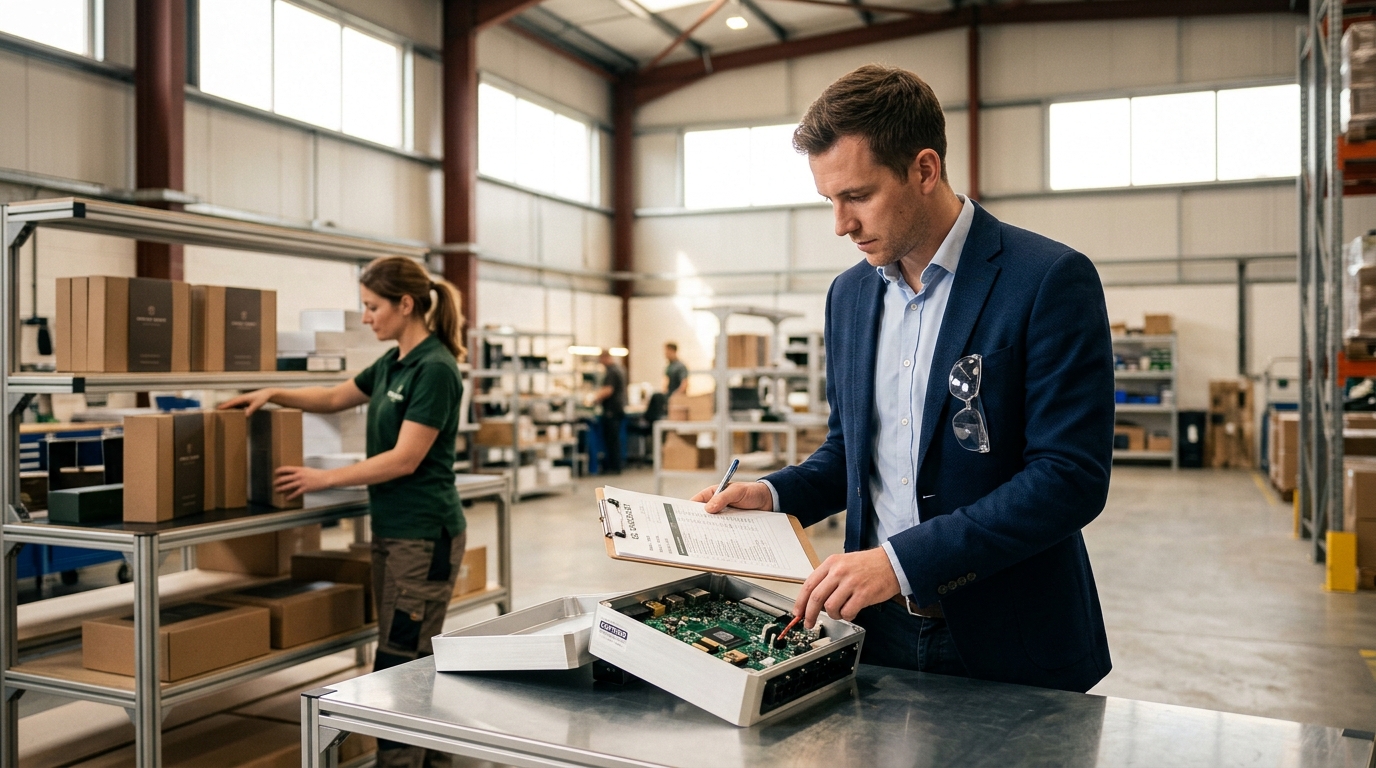
Start with domestic suppliers wherever possible. US-based suppliers mean faster shipping times, easier communication, and stronger consumer trust — all critical when someone is about to hand over $1,000+ to your store. Trade shows, industry directories (like ThomasNet or Worldwide Brands), and direct manufacturer outreach are all viable sourcing channels for high ticket products.
When evaluating any supplier, assess these factors:
1. Fulfillment speed and packaging quality — High ticket customers expect careful handling and timely delivery.
2. Return and warranty policies — Clear policies protect you and reassure buyers.
3. Minimum order requirements — Confirm they accommodate dropship orders without minimums or with reasonable terms.
4. References and track record — Ask for references or check independent reviews before committing.
A reliable custom dropshipping partner with global warehousing infrastructure — including US-based fulfillment — dramatically reduces the risk of supplier-side failures. USADROP’s 18 global warehouses and 80M+ order track record make it a strong consideration when you’re sourcing products at this tier.
Building a Store That Converts at Scale
A high ticket store lives or dies on trust. When customers are spending $500–$5,000, they will scrutinize your store harder than they would an impulse purchase. Every design choice, every word of copy, and every trust signal is part of the conversion equation.
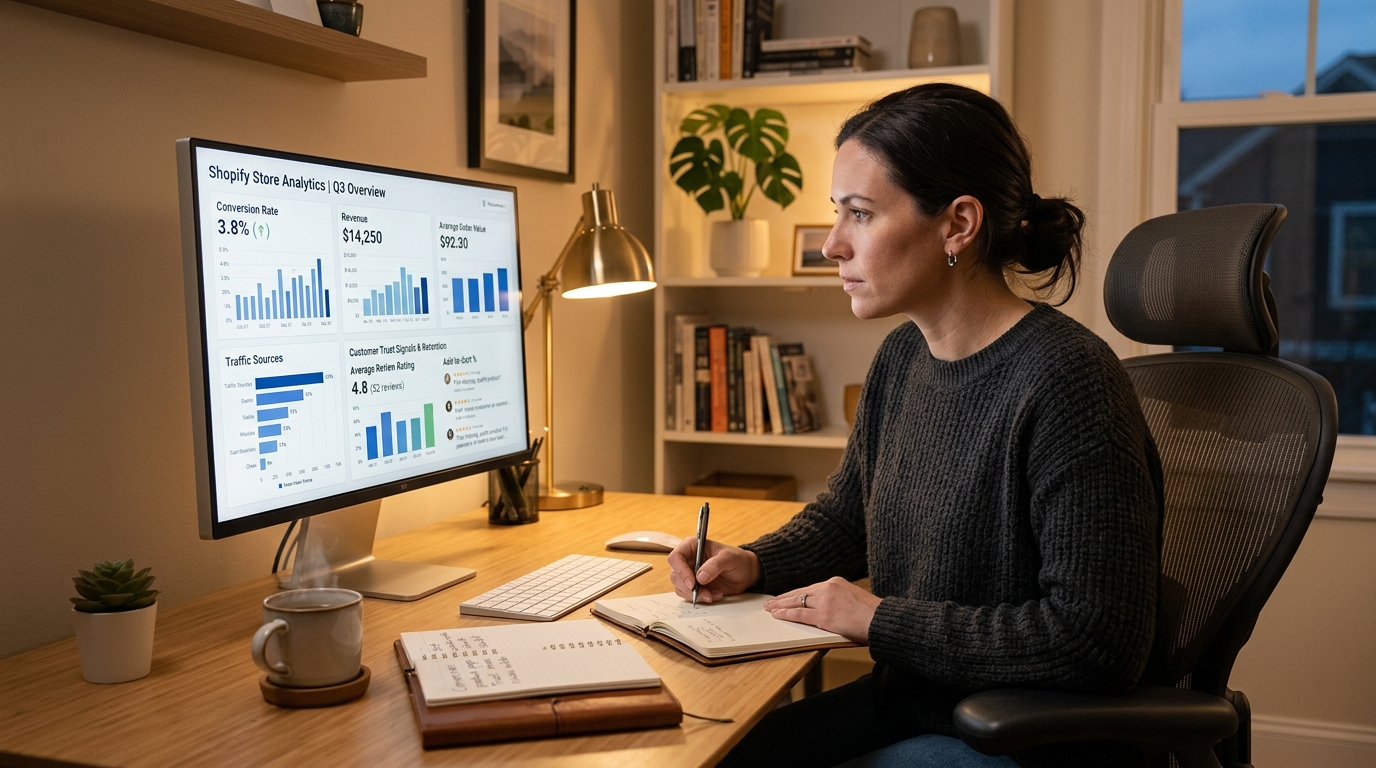
Here’s what your store needs to compete at this level:
Professional design: Clean, minimalist layouts signal premium positioning. Avoid cluttered pages, cheap-looking templates, and excessive pop-ups. Platforms like Shopify with a premium theme investment are well worth it here.
Detailed product pages: High ticket buyers do their research. Include multiple high-quality images, comprehensive spec sheets, comparison tables, video demonstrations where possible, and honest descriptions. Don’t just list features — describe outcomes. How will this standing desk improve their workday? How does this espresso machine change their morning routine?
Trust signals: Display SSL certificates, money-back guarantees, secure payment badges, real customer reviews, and clear return policies above the fold. Consider adding live chat or a visible phone number — for $1,000+ purchases, buyers want to know a human is available.
Optimized checkout: Offer buy-now-pay-later options (Affirm, Klarna) because breaking a $2,000 purchase into payments removes the biggest psychological barrier to conversion. A streamlined, distraction-free checkout is non-negotiable.
If you’re still in the planning stage, the guide on how to start dropshipping covers the foundational steps for getting your store infrastructure right before you add high ticket complexity.
Marketing Strategies for High Ticket Sales
Marketing expensive products requires a fundamentally different approach than running $4.99 Facebook ads to impulse buyers. High ticket customers take longer to convert, research more intensively, and respond to authority and social proof rather than urgency tactics.
SEO and content marketing are particularly powerful in the high ticket space. A well-optimized blog post comparing the top 5 home rowing machines can rank for buyer-intent keywords and deliver warm, pre-sold traffic directly to your product pages. Build content around comparison keywords (“X vs Y”), best-of lists, and how-to guides that align with what your ideal customer is actively searching.
Google Shopping and PPC work well for high ticket because the math makes sense — if a click costs $3 and your average order value is $1,200, you can afford a meaningful customer acquisition cost and still profit. Focus on search intent: target specific product model names, brand names, and comparison queries where purchase intent is highest.
Email and retargeting are critical at this price point. Most high ticket buyers won’t convert on the first visit — they might visit 4–7 times before purchasing. Build a robust email sequence that delivers value (buying guides, product comparisons, FAQ content) to nurture leads through the consideration phase. Retargeting ads on Meta and Google keep you visible during that deliberation window.
Influencer and content partnerships in relevant verticals (home design, fitness, tech review channels) can drive high-quality, pre-warmed traffic. Micro-influencers with 20,000–100,000 engaged followers often outperform mass-reach accounts for high consideration purchases.
FAQ
FAQ: What price point qualifies as high ticket?
Most industry practitioners define high ticket dropshipping as products priced at $200 or above, though many experienced operators focus on the $500–$5,000 range for optimal margin-to-effort ratio. The specific threshold matters less than the margin structure — if a product delivers $150+ in profit per sale and has genuine market demand, it fits the model. Some niches like industrial equipment or luxury furniture push well beyond $5,000 per unit.
FAQ: Is high ticket dropshipping harder than regular dropshipping?
It requires more upfront investment in store quality, supplier research, and marketing sophistication — but it’s not necessarily harder, just different. You’re making fewer sales with higher individual stakes, so each customer interaction carries more weight. The advantage is that you need significantly fewer sales to hit revenue targets, which simplifies operations and can reduce customer service volume compared to running a high-volume, low-margin catalog store.
FAQ: Do I need a large budget to start?
You don’t need a massive budget, but you should expect to invest more than you would in a typical low-cost dropshipping setup. Budget for a professional store theme ($150–$300), product photography or licensing quality images, initial ad spend ($500–$1,000 to test and optimize), and potentially samples to verify product quality firsthand. Starting lean is fine — just allocate budget strategically toward the elements that build buyer trust most directly.
FAQ: How do I handle returns on expensive products?
This is one of the most important operational questions in high ticket dropshipping. First, choose suppliers with clear, reasonable return and warranty policies before you list any product. Build a transparent return policy on your store — high ticket buyers will read it before purchasing. Consider offering a 30-day return window even if your supplier is less generous, factoring potential return costs into your margins. Treat every return interaction as a customer retention opportunity rather than a loss event.
FAQ: Which platform is best for high ticket stores?
Shopify is the dominant choice for high ticket dropshipping in 2026 due to its ecosystem of apps, payment integrations (including BNPL providers), and scalable infrastructure. WooCommerce is a strong alternative for those comfortable with WordPress and wanting lower ongoing fees. For very high-end or bespoke product experiences, some sellers use BigCommerce for its built-in B2B features. The platform matters less than the execution — a well-optimized Shopify store will consistently outperform a poorly executed store on any platform.
High ticket dropshipping rewards sellers who invest in quality — quality suppliers, quality stores, and quality customer experiences. If you’re ready to build a business where a handful of daily sales can generate serious revenue, the model is absolutely viable in 2026. USADROP brings over 10 years of fulfillment experience, 18 global warehouses, and a proven track record of 80M+ orders to help you source, fulfill, and scale high ticket products with confidence. With same-day setup available and pricing structured to protect your margins, it’s a wholesale dropshipping partner built for sellers who are playing the long game. Start your high ticket store today and put every advantage on your side from day one.