Quick answer: This is the broad white label explainer. It defines the model first, then points ecommerce sellers toward dropshipping and private customization use cases.
Related USAdrop resources: white label dropshipping, and private customization.
You walk into your local grocery store and see rows of “store brand” pasta, bottled water, and protein bars. You browse online and notice software tools offered by dozens of different companies. Many of these products look suspiciously similar. That’s not a coincidence—you’re seeing white label products in action.
White labeling has become one of the fastest ways for businesses to expand their product lines without the headache of manufacturing. But what exactly does white label mean, and how can you use it to grow your business? Let’s break it down.
What White Label Really Means

At its core, white labeling is when one company makes a product, and another company slaps their own brand on it and sells it as their own. The manufacturer stays behind the scenes, and customers only see your brand name.
Think of it like this: A factory produces 10,000 water bottles. Company A buys 2,000 bottles, adds their logo and branding, and sells them. Company B does the same thing. Same bottle, different labels. That’s white labeling.
The term comes from the literal image of a white label on packaging—blank and ready to be filled in with any company’s branding. These days, white label products span everything from food and cosmetics to software and digital services. The manufacturer handles production, quality control, and logistics. You handle the marketing, branding, and selling.
How White Labeling Actually Works
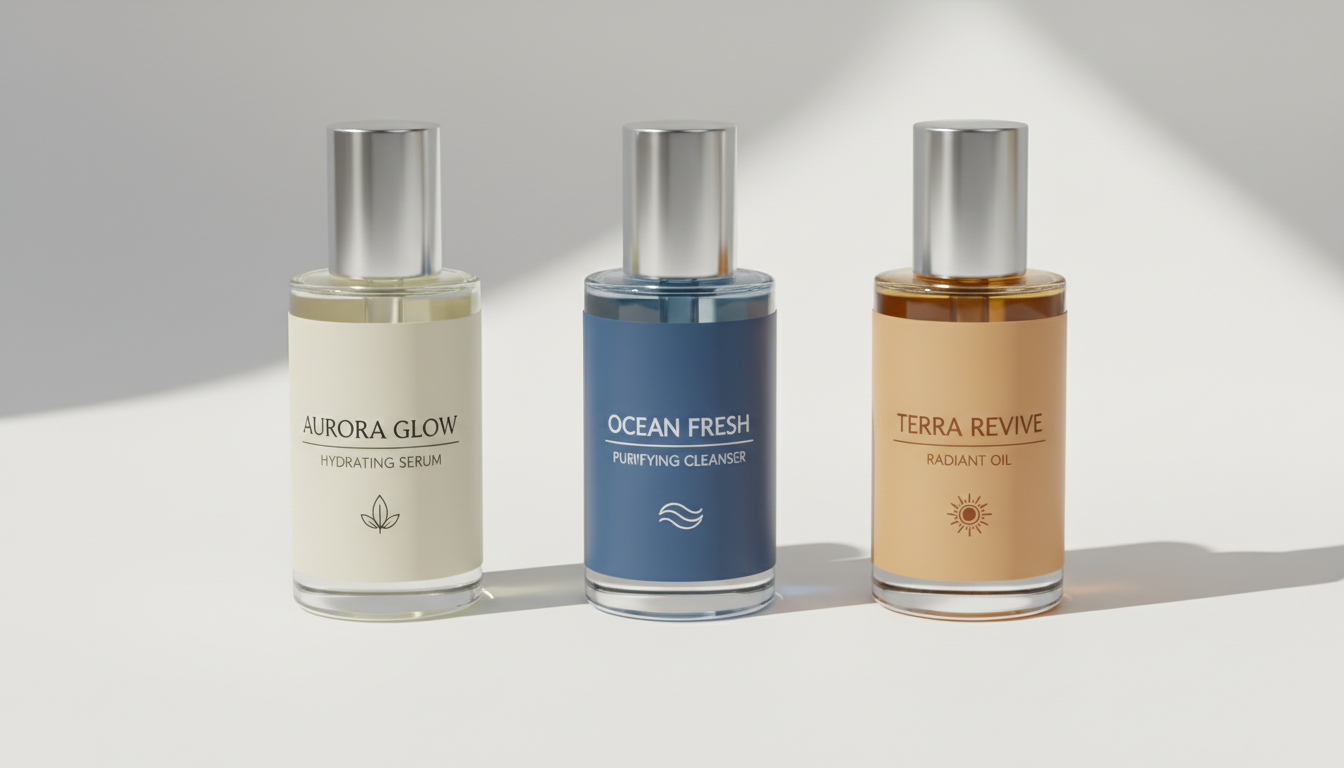
The process is straightforward. A manufacturer creates a generic product in bulk. They don’t put their own brand on it—that’s the whole point. Instead, they sell it to multiple businesses who each add their own branding.
Here’s how it typically flows: First, the manufacturer develops and produces the product at scale. Because they’re making large quantities, they can keep costs down. The product sits unbranded—no logos, no company names, nothing.
Next, you (the reseller) purchase these products, usually with minimum order quantities. You then add your branding elements: logos, packaging design, custom labels. The product looks like yours from start to finish.
Finally, you market and sell it to customers under your brand name. From the customer’s perspective, you created this product. They have no idea there’s a manufacturer behind the scenes.
This model works across industries. We’ve seen it in fulfillment operations where companies manage logistics without owning the infrastructure, and in private customization where brands personalize products for their customers.
Common Industries Using White Label Products
White labeling isn’t limited to one sector. It’s everywhere once you start looking.
Grocery and Food Products
Walk through Costco and grab a Kirkland Signature item. That’s white label. Target’s Good & Gather line? Same deal. Major retailers work with food manufacturers to produce everything from organic snacks to frozen pizzas under their own brand names.
Beauty and Personal Care
The cosmetics industry runs on white labeling. A single factory might produce the same moisturizer formula for 5 different brands. Each brand packages it differently, prices it based on their positioning, and sells it as exclusive to their line.
Electronics and Tech
Smartphones, tablets, headphones—many electronics are white labeled. The same manufacturer produces devices that end up sold under multiple brand names in different markets.
Software and Digital Services
SaaS companies frequently offer white label versions of their platforms. Marketing agencies can rebrand email tools, website builders, or CRM software and sell them to clients as if they built the tech themselves.
Coffee and Beverages
Small coffee shops can’t afford to roast their own beans. So they work with white label coffee roasters who produce blends that the shops sell under their own name.
If you’re managing product distribution or looking for marketing material support to promote these products, white labeling gives you flexibility without the production burden.
White Label vs Private Label: What’s the Difference?
People use these terms interchangeably, but they’re not the same thing.
White Label: The manufacturer produces a generic product and sells it to multiple companies. You get the same product everyone else gets. You can customize the packaging and branding, but the core product stays identical.
Private Label: The manufacturer produces a product exclusively for one company. You work with them to customize the formula, design, or features. Only your company sells this specific version.
Here’s a simple way to remember it: White label = same product, different labels. Private label = custom product, one label.
Private label gives you more control and exclusivity. White label gives you speed and lower costs. Walmart’s Great Value products are private label—made exclusively for Walmart. Amazon Basics sells both white label and private label items depending on the product category.
The choice depends on your budget and how unique you want your product to be. White label products get you to market faster and cheaper. Private label builds stronger brand differentiation but costs more upfront.
Benefits of White Label Products
Why would you sell someone else’s product instead of making your own? Turns out, there are solid reasons.
Lower Upfront Costs
Building a product from scratch is expensive. You need research, development, testing, manufacturing facilities, and quality control processes. White labeling skips all that. You pay for the finished product and spend your budget on marketing and sales instead.
Faster Time to Market
Developing a new product can take months or years. White label products are ready now. You can launch a new product line in weeks, not quarters. This speed lets you capitalize on trends before they fade.
Focus on Your Strengths
Not everyone is good at manufacturing. If your strength is marketing, customer service, or distribution, white labeling lets you stick to what you do best. The manufacturer worries about production quality—you worry about selling.
Easy Product Line Expansion
Want to offer more products without the complexity? White labeling makes it simple. A fitness influencer can add branded protein powder without building a supplement factory. A boutique hotel can offer branded coffee without learning to roast beans.
Lower Risk
Testing a new product category is risky. White labeling reduces that risk. You can test market demand with smaller orders before committing to larger inventory or custom manufacturing.
Whether you’re looking at POD options or exploring markets like TikTok Shop, white label products give you flexibility to experiment without massive investment.
Drawbacks You Should Know About
White labeling isn’t perfect. There are real challenges to consider.
High Competition
Since multiple companies sell the same product, you’re competing on brand and price. If customers can get the exact same item cheaper from a competitor, they will. You need strong branding and marketing to stand out.
Limited Product Control
You can’t change the core product. If customers want a different formula, different features, or improvements, you’re stuck with what the manufacturer offers. Your ability to innovate is limited.
Quality Concerns
You’re trusting the manufacturer to maintain quality. If they cut corners or have production issues, your brand takes the hit. You need reliable suppliers and consistent quality checks.
Thin Profit Margins
Because competition is high and the products are commoditized, profit margins can be slim. You might need to sell high volumes to make decent returns.
Supplier Dependency
If your supplier has delays, runs out of stock, or goes out of business, you’re in trouble. Building backup supplier relationships takes time and effort.
How to Start With White Label Products
Ready to try white labeling? Here’s how to get started without making rookie mistakes.
1. Identify Your Niche
Don’t just pick any product. Research your market. What do your customers need? What products align with your brand? Look at gaps in your current offerings and trends in your industry.
2. Research Suppliers
Not all white label manufacturers are created equal. Check reviews, ask for samples, verify their quality control processes. Look at their minimum order quantities and pricing structures. Sites like Alibaba, ThomasNet, and industry-specific directories can help you find manufacturers.
3. Order Samples
Never buy in bulk without testing first. Order samples to check quality, packaging, and whether the product matches what you expected. If possible, test multiple suppliers to compare.
4. Start Small
Place a smaller initial order to test market response. Gauge customer feedback and sales velocity before committing to large inventory purchases. This minimizes risk if the product doesn’t perform.
5. Build Your Brand
This is where you differentiate. Create compelling packaging, write product descriptions that resonate with your audience, and develop marketing campaigns that tell your brand story. The product might be generic, but your presentation shouldn’t be.
6. Monitor Quality Consistently
Just because the first batch was good doesn’t mean every batch will be. Implement regular quality checks and maintain open communication with your supplier.
If you’re working in specific markets or need specialized solutions like LATAM distribution, make sure your white label partner can support those requirements.
Real-World White Label Examples
Looking at actual examples helps clarify how this works in practice.
Trader Joe’s sells almost exclusively white label products. From snacks to frozen meals, most items are produced by other manufacturers but branded exclusively for Trader Joe’s stores.
Amazon Basics offers everything from phone cables to office supplies. Amazon doesn’t manufacture these—they work with suppliers who produce generic versions that Amazon rebrands.
Small Coffee Shops across the country sell “house blend” coffee that’s actually roasted by white label coffee companies. The shop adds their logo to the bag and sells it as their signature blend.
Web Design Agencies use white label website builders and hosting services. They deliver finished websites to clients under their agency brand, but the underlying platform comes from a white label software provider.
Fitness Influencers sell branded supplements, apparel, and equipment. Most don’t own factories—they work with white label manufacturers who produce the products and ship them with the influencer’s branding.
These businesses succeed by pairing white label products with strong branding, marketing, and customer relationships. The product quality matters, but the brand experience seals the deal.
Conclusion
White labeling offers a practical path for businesses to expand their product offerings without the complexity of manufacturing. You get speed to market, lower upfront costs, and the ability to focus on what you do best—selling and building your brand.
But it’s not a magic solution. Competition is real, profit margins can be tight, and you’re dependent on supplier quality. Success comes from choosing the right products, finding reliable manufacturers, and creating a brand experience that makes customers choose you over the 10 other companies selling the same thing.
If you’re considering white label products, start small, test the market, and scale what works. Whether you’re in e-commerce, services, or retail, white labeling can help you grow faster—just make sure you’re building a brand worth choosing.
FAQs
Is white labeling legal?
Yes, white labeling is completely legal. You’re buying products from a manufacturer and reselling them under your brand, which is a standard business practice. Just make sure your branding and packaging don’t violate trademark laws or mislead consumers about the product’s origin when required by regulations.
How is white label different from dropshipping?
White labeling involves buying products in bulk, adding your branding, and selling them. Dropshipping means you never touch the product—when a customer orders, the supplier ships directly to them without any branding. White label gives you more brand control; dropshipping gives you less inventory risk.
Can I customize white label products?
You can customize the packaging, labels, and branding elements. However, you typically can’t change the product itself—the formula, design, or core features stay the same. If you need product-level customization, you’re looking at private label instead.
What’s a typical profit margin on white label products?
Profit margins vary widely by industry and product type, but they typically range from 20% to 50%. Margins depend on your costs, competition, branding strength, and how much you can charge. Products in saturated markets tend toward the lower end; niche products with strong branding can command higher margins.
Do I need a lot of money to start white labeling?
Not necessarily. Minimum order quantities vary by manufacturer—some require thousands of units, others allow smaller test runs. You can start with a few hundred or thousand dollars for smaller product categories like accessories or beauty products. Software white labeling often works on subscription models with lower upfront costs.