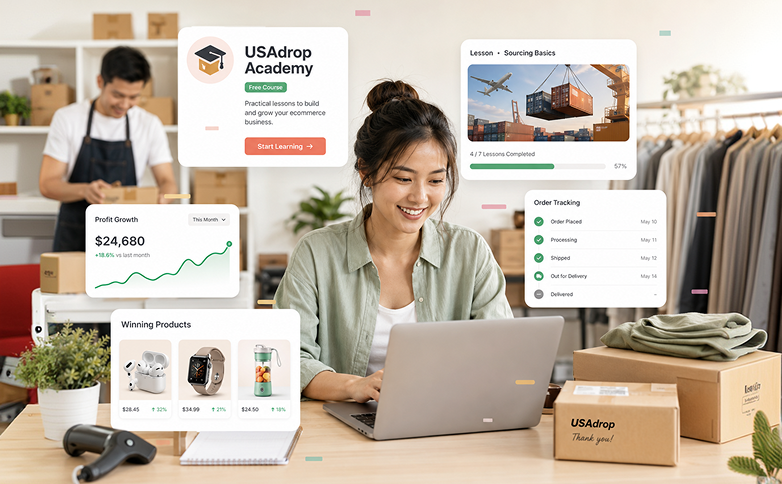
Building a brand that customers remember — and return to — starts with the right manufacturing partner. Whether you’re launching a skincare line, a supplement brand, or a custom apparel collection, private label manufacturers give you the power to sell products under your own label without designing formulations or building production lines from scratch. The appeal is obvious: faster time to market, lower upfront investment, and the ability to compete with established brands on day one.
But here’s the challenge. The private label landscape in 2026 is more crowded — and more capable — than ever. Hundreds of manufacturers now offer white-label services across virtually every product category, and the gap between a stellar partner and a mediocre one can mean the difference between a thriving brand and a warehouse full of returns. This guide ranks the 10 best private label manufacturers available right now, breaks down the criteria that actually matter, and shows you how to choose the right fit for your business model — whether you’re a seasoned DTC operator or a first-time dropshipping entrepreneur testing your first branded product.
How We Evaluated These Manufacturers
Choosing private label manufacturers isn’t as simple as Googling “cheapest supplier.” We evaluated dozens of companies across a structured set of criteria designed to reflect what actually matters to brand builders in 2026.

Minimum order quantities (MOQs) were a top consideration. Some manufacturers require 5,000-unit minimums, which prices out newer sellers. We prioritized partners that offer flexible or low MOQs alongside scalable production. Product quality and certifications mattered equally — we looked for GMP, FDA-registered, ISO-certified, and CPSC-compliant facilities depending on the category. A beautiful label means nothing if the product inside fails quality checks.
We also assessed customization depth (can you tweak formulations, choose packaging, design custom inserts?), lead times, geographic reach and shipping infrastructure, customer support responsiveness, and category specialization. Finally, we factored in real user reviews, case studies, and transparency. The manufacturers on this list earned their spots by excelling across multiple dimensions — not just one.
1. Alibaba Private Label Sourcing Network
Alibaba remains the world’s largest B2B marketplace, and its private label sourcing ecosystem has matured significantly. In 2026, the platform connects sellers with over 200,000 verified manufacturers across China, many of whom offer turnkey private labeling — from custom formulations and packaging design to branded shipping materials.
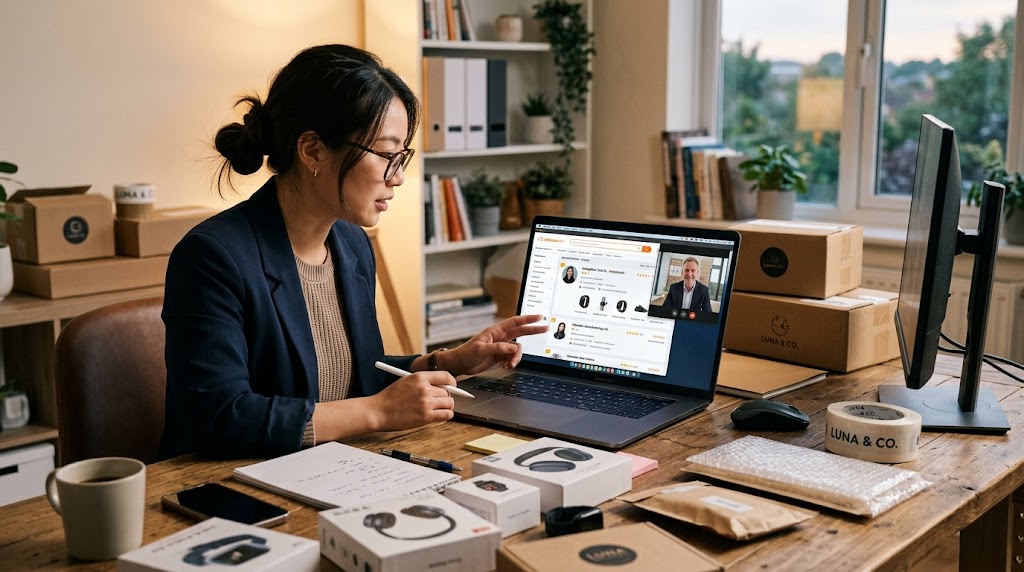
What makes Alibaba’s network stand out is sheer variety. Whether you need organic tea blends, Bluetooth earbuds, yoga mats, or pet supplements, you’ll find multiple manufacturers competing for your order. The Trade Assurance program adds a layer of financial protection, and Alibaba’s Verified Supplier badges help you filter for factories that have passed on-site inspections by third-party firms like SGS or Bureau Veritas.
The drawback? You’re essentially self-managing your supply chain. Communication can be inconsistent, quality varies dramatically between suppliers, and you’ll typically face MOQs of 500–5,000 units depending on the product. Alibaba works best for sellers who have the time and experience to vet suppliers thoroughly and negotiate terms. For newcomers who want a more guided experience, a fulfillment-first partner (more on that later) may be a better starting point.
Best for: Experienced sellers sourcing across multiple product categories at competitive per-unit pricing.
2. Makers Nutrition — Supplements & Nutraceuticals
Makers Nutrition is an FDA-registered, GMP-certified supplement manufacturer based in New York that has become one of the go-to private label manufacturers for the health and wellness space. They handle everything end-to-end: formulation, manufacturing, packaging, label design, and even fulfillment.
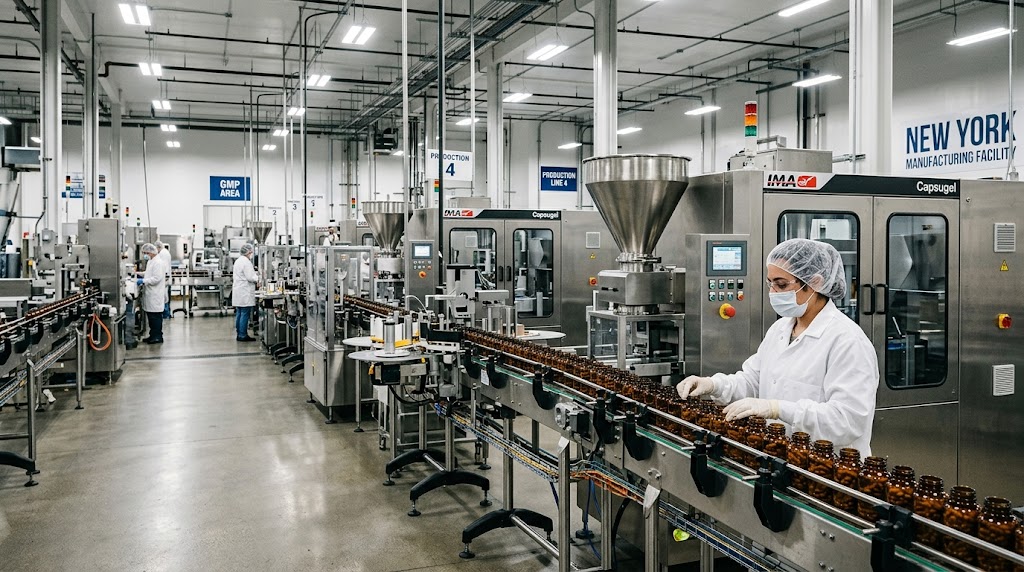
Their catalog includes over 100 stock supplement formulas — think multivitamins, probiotics, collagen peptides, and nootropics — that you can private label with your branding. If you want a custom formulation, their R&D team will develop one. Lead times typically range from 3–5 weeks for stock products and 6–10 weeks for custom runs. MOQs start around 2,500 units for capsules and tablets, which is competitive for the supplement industry.
What genuinely sets Makers Nutrition apart is compliance support. They provide Certificates of Analysis (COAs), help with FDA labeling requirements, and maintain NSF and NPA certifications. According to the Council for Responsible Nutrition’s 2025 industry survey, supplement consumers increasingly prioritize transparency and third-party testing — and Makers Nutrition’s infrastructure is built to deliver exactly that. If you’re entering the supplement market, they’re a top-tier choice.
Best for: Health and wellness brands that need FDA-compliant, turnkey supplement manufacturing with formulation support.
3. ThomasNet Verified Manufacturers Directory
ThomasNet isn’t a single manufacturer — it’s a vetted industrial directory that connects brand owners with over 500,000 North American suppliers, many of whom offer private label services. Think of it as the domestic alternative to Alibaba, with a sharper focus on quality verification and made-in-USA production.
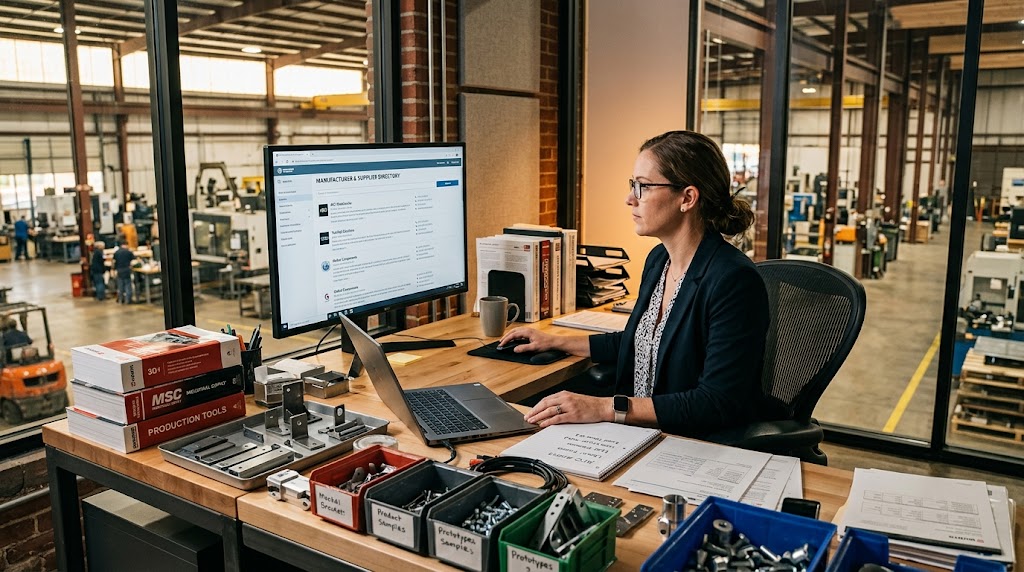
The platform’s strength lies in industrial and specialty products: custom hardware, medical devices, cleaning products, automotive parts, food-grade packaging, and more. Each supplier listing includes capability details, certifications, annual revenue data, and customer reviews. ThomasNet’s RFQ (Request for Quote) system lets you describe your private label needs and receive proposals from multiple qualified manufacturers simultaneously.
For sellers who want “Made in the USA” branding — a differentiator that continues to resonate strongly with American consumers — ThomasNet is an invaluable resource. MOQs and pricing vary widely based on the manufacturer and category, but you’ll generally find higher per-unit costs offset by shorter shipping times, easier communication, and stronger intellectual property protections. The trade-off is worth it for many premium-positioned brands.
Best for: Brands prioritizing domestic manufacturing, industrial/specialty categories, and “Made in USA” positioning.
4. Cosmopacks — Beauty & Skincare Private Labeling
The beauty and personal care sector is one of the fastest-growing categories for private label, and Cosmopacks has carved out a leadership position. Based in New Jersey with manufacturing facilities in the US and Asia, they specialize in skincare, haircare, color cosmetics, and body care products.

Cosmopacks offers an extensive stock formula library — over 300 ready-to-brand formulations including serums, moisturizers, shampoos, lip glosses, and SPF products. Their MOQs are notably accessible, starting as low as 500 units for certain SKUs, which makes them a realistic option for emerging indie beauty brands. Custom formulations are available with higher minimums (typically 2,500+ units) and longer lead times.
What beauty entrepreneurs especially appreciate is their design-to-shelf service. Cosmopacks provides in-house graphic design for labels and packaging, regulatory compliance guidance (including EU and FDA requirements), and stability testing. They also offer eco-friendly packaging options — recyclable jars, biodegradable tubes, and FSC-certified cartons — which aligns with the sustainability expectations that now drive purchasing decisions in the beauty space. If you’re building a beauty brand, Cosmopacks belongs on your shortlist.
Best for: Indie beauty and skincare brands seeking low-MOQ, full-service private labeling with design support.
5. Printful — Custom Apparel & Merchandise
Printful has evolved well beyond basic T-shirt printing to become one of the most versatile private label manufacturers in the apparel and merchandise space. In 2026, they offer private label options across clothing (T-shirts, hoodies, activewear, hats), home goods (pillows, blankets, mugs), and accessories — all with zero minimum order quantities.
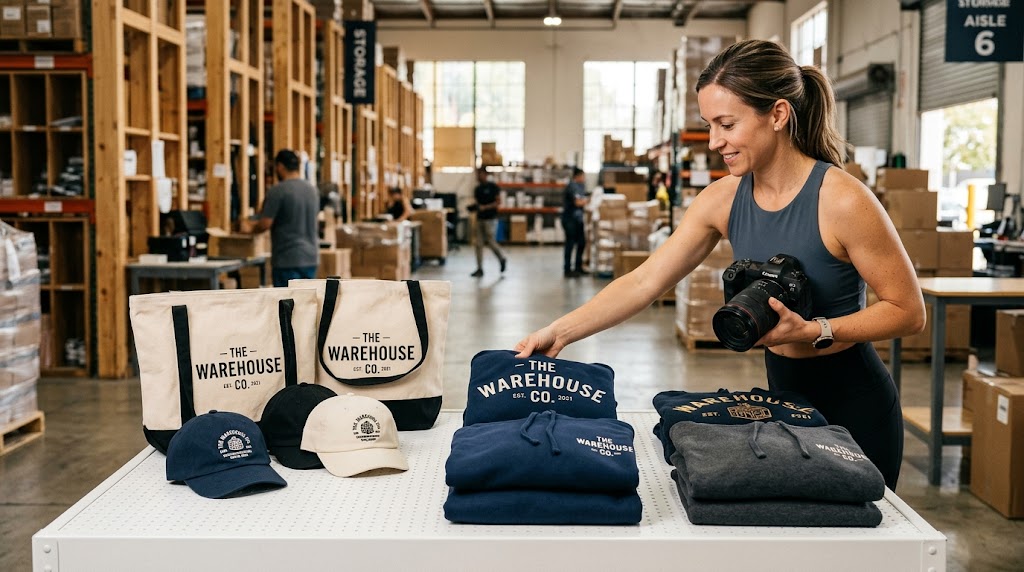
The private label experience with Printful includes inside and outside label removal and replacement, custom neck labels, woven labels, custom packaging inserts, and branded pack-ins. Their integration ecosystem is extensive: Shopify, WooCommerce, Etsy, Amazon, and a dozen more platforms connect seamlessly. Products are printed and shipped on demand from their fulfillment centers in the US, Europe, and Mexico.
The zero-MOQ model makes Printful ideal for sellers exploring print on demand as a brand-building strategy before committing to bulk inventory. Per-unit costs are higher than bulk manufacturing, but the elimination of inventory risk makes it a smart stepping stone. Where Printful falls short is in product diversity outside apparel and home décor — you won’t find electronics, supplements, or food products here. But within its lane, it’s exceptional.
Best for: Apparel and merchandise brands that want zero-MOQ, on-demand private labeling with seamless e-commerce integration.
6. Peach & Lily — K-Beauty Private Label Partnerships
Peach & Lily occupies a unique niche. Originally known as a K-beauty curation brand, the company has expanded into a private label facilitation model that connects US-based brand builders with vetted South Korean cosmetics manufacturers — widely regarded as the most innovative in the global beauty industry.

Through their B2B partnership arm, Peach & Lily helps entrepreneurs access Korean formulation expertise (think snail mucin serums, centella moisturizers, and fermented essences) with private label branding. They manage quality control, compliance with FDA import regulations, and logistics. MOQs tend to be moderate — typically 1,000–3,000 units — and lead times run 8–14 weeks given the international production and shipping.
The value proposition is differentiation. K-beauty formulations often incorporate ingredients and technologies that domestic US manufacturers don’t offer, giving your brand a genuine product edge. If your target market is skincare-savvy consumers who seek innovative, ingredient-forward products, partnering with a K-beauty private label facilitator like Peach & Lily can be a significant competitive advantage. Just plan for longer development cycles and factor in international shipping costs.
Best for: Skincare brands seeking innovative K-beauty formulations and ingredient-driven differentiation.
7. FashionGo / LA Showroom — Private Label Fashion
For fashion entrepreneurs, FashionGo and the connected LA Showroom wholesale marketplace offer one of the largest private label apparel sourcing networks in the United States. Based in Los Angeles — the country’s garment manufacturing hub — these platforms connect sellers with hundreds of manufacturers who produce women’s clothing, men’s basics, athleisure, and accessories under your brand name.
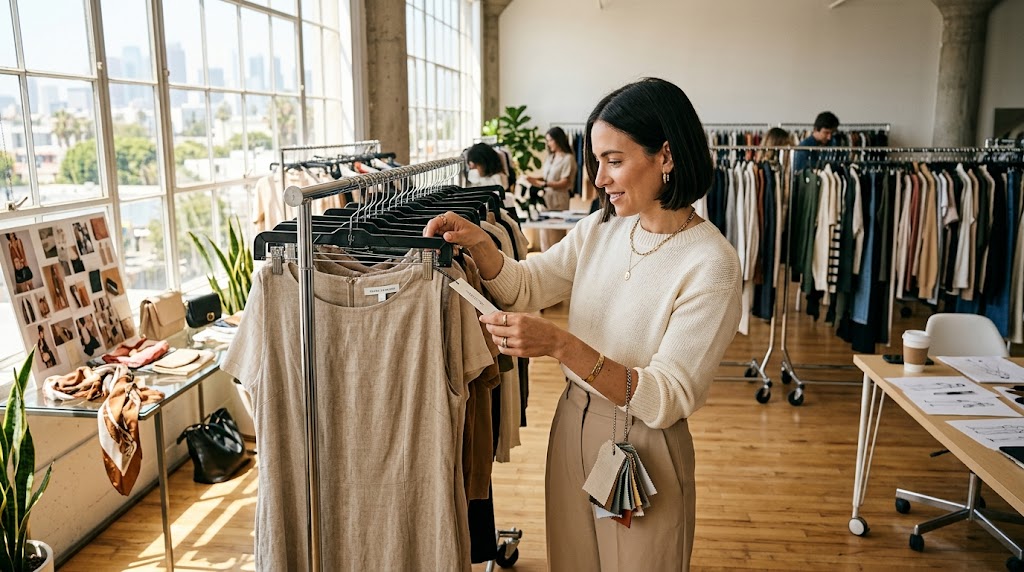
Many of the manufacturers on these platforms specialize in fast fashion production with turnaround times as short as 2–3 weeks for stock styles and 4–6 weeks for custom designs. MOQs vary, but numerous vendors offer runs starting at just 50–100 pieces per style, making them accessible to boutique owners and e-commerce startups. Some manufacturers also provide full-package production (FPP), where they handle everything from fabric sourcing to finished, tagged garments.
The trade-off is that quality control is your responsibility. Unlike turnkey platforms, FashionGo functions more like a marketplace, so vetting individual manufacturers through sample orders and factory visits (or virtual audits) is essential. Still, for fashion brands that want domestic production, fast iteration, and the ability to respond quickly to trends, the LA manufacturing ecosystem accessible through these platforms is hard to beat.
Best for: Fashion and boutique brands that want fast-turnaround, low-MOQ domestic apparel production.
8. Griffith Foods — Private Label Food & Beverage
Entering the food and beverage space with a private label brand requires a manufacturer that understands both flavor science and regulatory compliance. Griffith Foods, a century-old company with operations across North America, Europe, and Asia, is one of the most respected names in this category.

Griffith specializes in sauces, seasonings, dressings, marinades, and dry blends — categories with strong private label penetration in grocery and DTC. They offer both stock recipes that you can brand immediately and custom flavor development with their culinary innovation team. Their facilities are SQF-certified (Safe Quality Food), which meets the stringent food safety requirements of major retailers like Walmart, Target, and Amazon Fresh.
MOQs in food manufacturing tend to be higher than other categories — expect minimums of 1,000–10,000 units depending on the product type and packaging format. Lead times also run longer (6–12 weeks), and you’ll need to budget for nutritional label creation, allergen testing, and potentially shelf-life studies. According to the Food and Drug Administration, food labeling requirements are evolving rapidly, so working with a manufacturer like Griffith that bakes compliance into their process is invaluable.
Best for: Food and sauce brands targeting grocery, DTC, or Amazon with compliant, scalable production.
9. Zoro / Grainger — Industrial Private Label Products
For entrepreneurs targeting B2B markets, Zoro (a Grainger subsidiary) demonstrates how private label works in the industrial and commercial supplies space. While Zoro primarily operates as a retailer of its own private label brands, their sourcing model offers a blueprint — and the manufacturers behind their product lines are accessible through B2B sourcing channels.
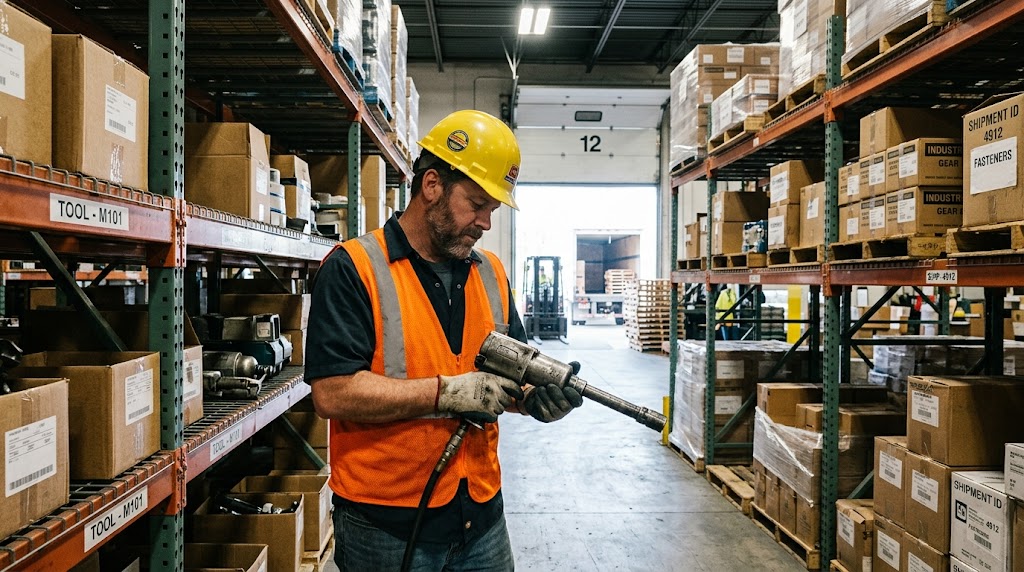
The industrial private label market includes categories like safety equipment, cleaning supplies, tools, lighting, HVAC components, and office supplies. Margins in these categories can be substantial, especially when selling to businesses through Amazon Business, government procurement portals, or your own B2B e-commerce store. Manufacturers in this space typically offer MOQs of 500–5,000 units and provide compliance documentation (OSHA certifications, UL listings, etc.) as part of the package.
What makes this sector attractive is lower competition. While thousands of sellers chase consumer product private labeling in beauty and supplements, far fewer target the B2B industrial niche. The customer lifetime value is also higher — businesses reorder consumable supplies regularly. If you’re willing to learn a less glamorous category, industrial private labeling can be remarkably profitable with the right manufacturing partners sourced through directories like ThomasNet or directly through trade shows like the National Hardware Show.
Best for: B2B sellers targeting industrial, commercial, or institutional markets with repeat-purchase products.
10. USAdrop — No-MOQ Private Customization for Dropshippers
Not every brand builder is ready to commit to factory minimums. That’s where USAdrop stands apart from traditional private label manufacturers. Designed specifically for dropshippers and e-commerce entrepreneurs, USAdrop offers private customization services — branded packaging, custom inserts, logo-stamped products, and tailored unboxing experiences — without requiring thousands of units upfront.
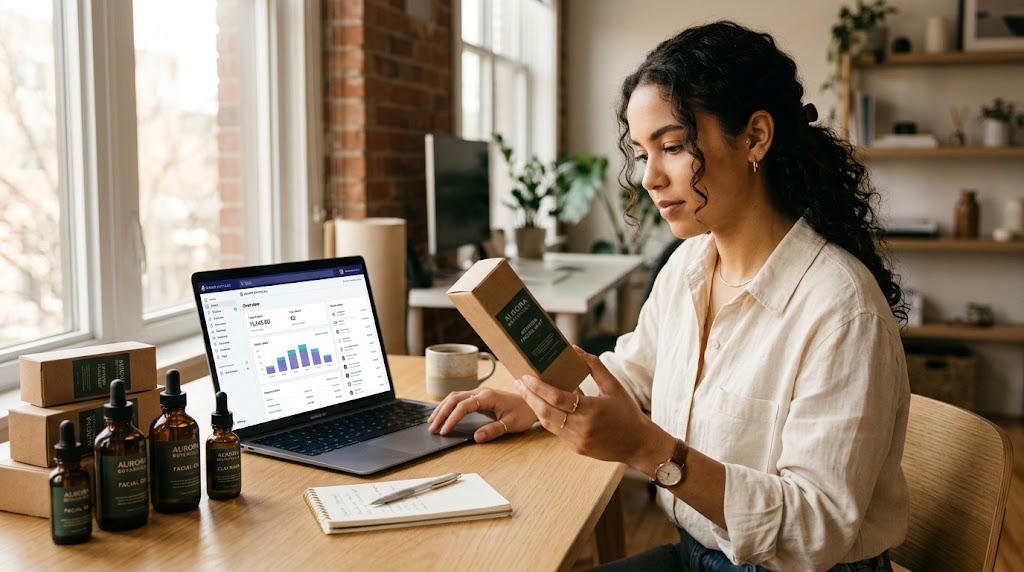
With over 80 million orders fulfilled, 18 global warehouses, and a decade of operational experience, USAdrop has built infrastructure that bridges the gap between generic dropshipping and true branded commerce. Their model lets you start selling branded products within 24 hours of setup, with pricing that averages 8.66% lower than comparable fulfillment services. That means you can test a branded product line, validate market demand, and scale into larger private label orders — all without the financial risk of traditional manufacturing minimums.
For sellers who are still learning how to start dropshipping and want to differentiate from competitors shipping unbranded packages, USAdrop’s private customization service is the logical first step. You get the brand-building benefits of private labeling — customer recognition, perceived quality, repeat purchase triggers — without the 2,500-unit gamble. As your volume grows, you can transition into full private label manufacturing with the supplier relationships and customer data you’ve already built.
Best for: Dropshippers and early-stage e-commerce sellers who want branded products without factory MOQs.
Choosing Between Private Label & Dropshipping
One question that comes up constantly: should you go with full private label manufacturing or start with a branded dropshipping model? The answer depends on your stage, capital, and risk tolerance.
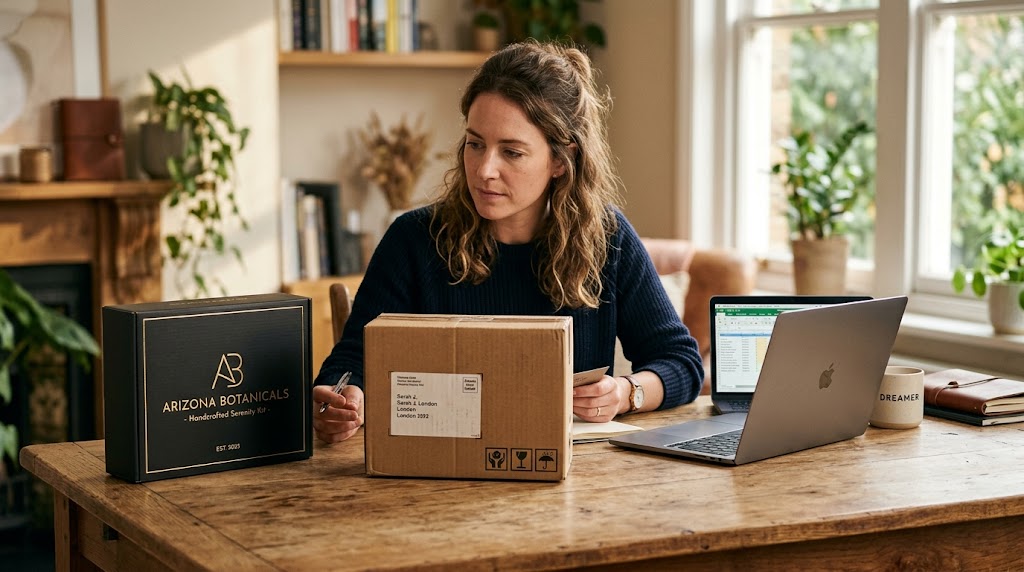
Full private labeling means you own inventory. You negotiate with manufacturers, place bulk orders, store products (or use 3PL warehousing), and manage fulfillment. The upside is higher margins and complete product control. The downside is financial exposure — if a product doesn’t sell, you eat the cost. This path works best when you’ve already validated demand through market research, test campaigns, or initial sales data.
Branded dropshipping — which is what platforms like USAdrop enable — lets you sell private-labeled products without holding inventory. If you’re still exploring what is dropshipping and whether it’s right for you, this hybrid approach lets you test branded products in real market conditions with minimal risk. Many successful private label brands in 2026 actually started this way: they validated products through branded dropshipping, identified winners, and then transitioned those top performers to full private label manufacturing with higher margins. It’s not an either/or decision — it’s a progression.
Private Label Manufacturers: Key Trends in 2026
The private label industry isn’t static, and understanding where it’s heading will help you choose the right partner and position your brand for growth.
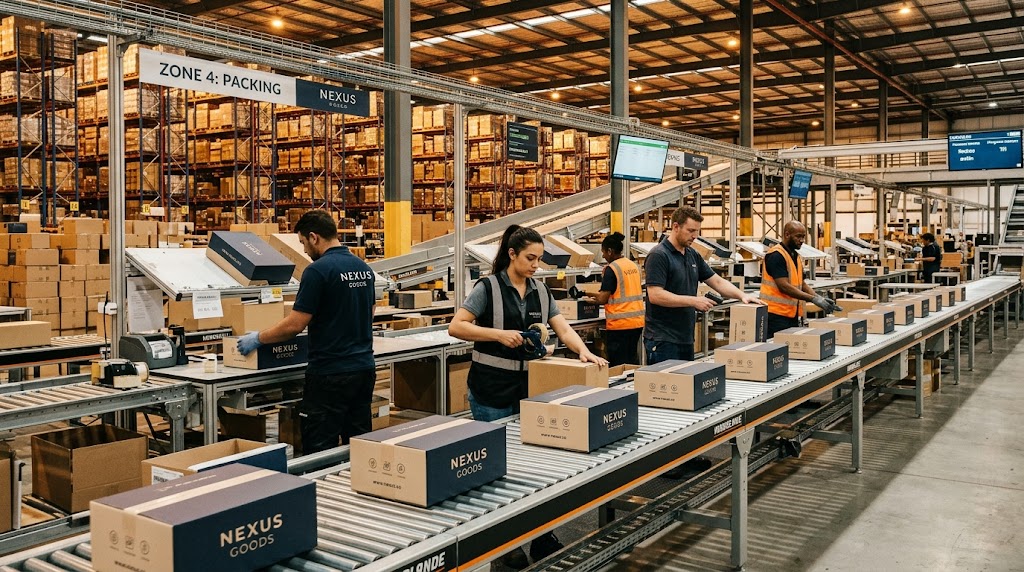
Sustainability is now table stakes. Consumers in 2026 actively seek out brands with eco-friendly packaging, clean ingredients, and transparent supply chains. The best private label manufacturers have responded by offering recyclable packaging, reduced-plastic options, carbon offset shipping, and sustainability certifications. If your manufacturer can’t provide at least basic eco-friendly options, you’re already behind.
AI-driven product development is accelerating. Leading manufacturers now use AI tools to analyze market trends, predict winning formulations, and optimize packaging designs. This means faster product development cycles — what used to take 12 weeks of R&D can now be accomplished in 4–6 weeks with AI-assisted formulation and design tools. Ask potential manufacturers about their technology stack; the best ones are investing heavily here.
Micro-niching is outperforming broad categories. Rather than launching a generic “vitamin brand,” successful private label sellers in 2026 are building hyper-focused brands — prenatal vitamins for women over 35, recovery supplements for CrossFit athletes, or serums for men with oily skin. The manufacturers who thrive are those flexible enough to support niche customization at reasonable MOQs. Choosing a manufacturing partner that accommodates small, focused product lines will give you a meaningful advantage in saturated markets.
Direct-to-consumer expectations are rising. Branded unboxing experiences, personalized packaging inserts, and fast shipping are no longer premium differentiators — they’re baseline expectations. A dropshipping platform that integrates branding into its fulfillment workflow helps sellers meet these expectations without building custom logistics operations from scratch.
FAQ
What are private label manufacturers?
Private label manufacturers produce goods that you sell under your own brand name, handling production while you control branding, marketing, and pricing.
How much does private labeling cost?
Costs range from $2–$15 per unit for most consumer products, plus one-time setup fees for custom formulations, packaging design, and tooling that typically run $500–$5,000.
Can I private label with no minimum order?
Yes — some platforms like Printful and USAdrop offer zero or very low MOQ private labeling, especially for print-on-demand and branded dropshipping models.
How long does private label production take?
Stock formulas with your branding typically take 2–5 weeks, while fully custom products can require 6–14 weeks depending on the manufacturer and product complexity.
Is private labeling profitable in 2026?
Absolutely — private label products typically achieve 40–70% gross margins, and the market continues to grow as consumers increasingly trust store and DTC brands over legacy names.
Ready to launch your own branded product line without the risk of massive upfront orders? USAdrop makes it easy to start with private customization — branded packaging, custom inserts, and a premium unboxing experience — all with no minimum order quantities, 18 global warehouses for fast shipping, and pricing that’s 8.66% lower than comparable services. Whether you’re testing your first product or scaling a proven winner, USAdrop helps you build a real brand from day one. Visit USAdrop to get started in as little as 24 hours.