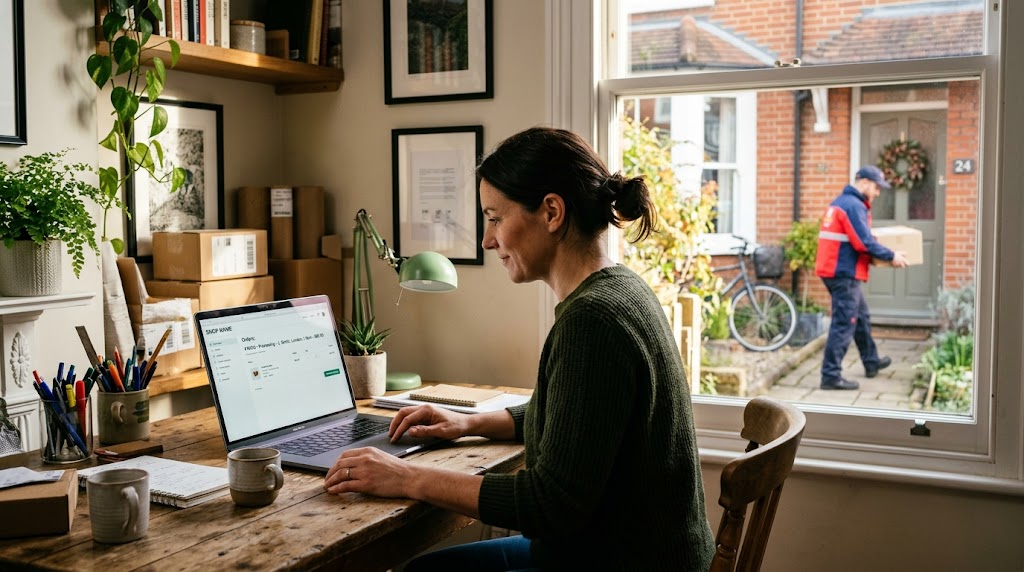
This three-party flow — customer, retailer, supplier — eliminates the need for warehousing, bulk purchasing, and complex logistics management. It’s the reason the model appeals to first-time entrepreneurs: you can launch a store with a few hundred dollars instead of tens of thousands. If you’re brand-new to the concept, a detailed breakdown of what is dropshipping can help you understand the fundamentals before diving into strategy.
What has changed in 2026, however, is the sophistication required. The days of listing random AliExpress products with 30-day shipping times and expecting sales are long gone. Today’s successful dropshipping stores operate with branded packaging, fast domestic shipping, curated product catalogs, and customer service that rivals traditional e-commerce brands. The model itself hasn’t changed, but the execution standard has risen dramatically.
2026 Market Size & Growth
The global dropshipping market isn’t just surviving — it’s accelerating. According to Grand View Research, the worldwide dropshipping market was valued at approximately $351.8 billion in 2024 and is projected to grow at a compound annual growth rate (CAGR) of 23.4% from 2025 to 2030. By the end of 2026, industry analysts estimate the market will comfortably surpass $500 billion in total value.
Several macro trends are fueling this growth. Mobile commerce continues to expand, with smartphones accounting for over 70% of all e-commerce traffic in the United States. Social commerce — selling directly through platforms like TikTok Shop, Instagram, and Pinterest — has lowered the barrier to product discovery and impulse purchasing, both of which play directly into the dropshipping model’s strengths. Meanwhile, AI-powered tools have made product research, ad creative, customer service chatbots, and store optimization faster and more accessible than ever before.
The U.S. market specifically remains one of the most lucrative regions for dropshipping. American consumers spent over $1.1 trillion online in 2024, according to the U.S. Department of Commerce, and that figure continues to climb. What’s notable for dropshippers is the growing consumer expectation around delivery speed. Two-day and even next-day shipping are no longer premium perks — they’re baseline expectations. This shift has made domestic fulfillment infrastructure a non-negotiable for serious operators, something we’ll explore in detail later.
Realistic Profit Margins Explained
One of the most common misconceptions about the dropshipping business model is that margins are universally thin. The reality is more nuanced. Profit margins in dropshipping vary wildly depending on your niche, pricing strategy, supplier costs, advertising efficiency, and operational overhead.
As a general benchmark, gross margins for dropshipping stores typically range from 15% to 45%. Lower-ticket commodity products (phone cases, generic gadgets) sit on the lower end, while higher-ticket or niche-specific items (specialty fitness equipment, premium pet products, unique home décor) can command margins of 40% or more. The key variable most beginners underestimate is customer acquisition cost (CAC). If you’re running paid ads on Meta or Google, your CAC might eat 20-30% of revenue on its own. This is why net profit margins — the money you actually keep after all expenses — usually land between 10% and 20% for well-run stores.
Here’s a simplified breakdown of a typical dropshipping transaction in 2026:
- Retail price (what the customer pays): $49.99
- Supplier/product cost: $18.00
- Shipping cost: $5.00
- Payment processing fee (≈3%): $1.50
- Advertising cost per sale: $12.00
- Platform/app fees (allocated per order): $1.50
- Net profit per order: $11.99 (≈24%)
That $12 per order might not sound glamorous, but at 20 orders per day, you’re looking at $7,200 per month in net profit — a meaningful income, especially for a business with no inventory risk. The sellers who scale to six and seven figures do so by optimizing each line in that equation: negotiating better supplier pricing, improving ad ROAS (return on ad spend), increasing average order value through upsells and bundles, and reducing operational friction.
Working with fulfillment partners who offer competitive wholesale pricing helps protect those margins from the start. USADROP, for example, offers pricing that averages 8.66% lower than standard supplier rates across comparable products, which on a store doing $50,000 per month in revenue translates to over $4,000 in annual savings on cost of goods alone.
Why Most Dropshipping Stores Fail
Let’s address the uncomfortable statistic: the majority of dropshipping stores fail within their first year. Estimates vary, but industry surveys consistently suggest that 80-90% of new dropshipping stores don’t make it past 120 days. Understanding why is essential if you want to be in the other 10-20%.

Reason 1: Poor supplier selection. This is the single biggest killer. Entrepreneurs find a trendy product, list it on their store, start driving traffic, and then the supplier ships the wrong item, takes three weeks to deliver, or sends products that look nothing like the listing photos. Chargebacks pile up, customer reviews tank, and the store’s reputation is destroyed before it ever gains momentum. Reliable dropshipping fulfillment is not a nice-to-have — it is the operational backbone of every successful store. Without it, no amount of marketing genius can save you.
Reason 2: Unrealistic expectations and impatience. Social media is flooded with “I made $100K in my first month dropshipping” content. These stories, while occasionally true, are extreme outliers. Most profitable stores take 2-6 months of testing products, refining ads, and optimizing their website before they become consistently profitable. Entrepreneurs who expect overnight success abandon their stores long before the compounding effects of learning and optimization kick in.
Reason 3: No brand differentiation. If you’re selling the exact same product as 500 other Shopify stores with the same stock photos and generic store name, you’re competing purely on price and ad placement. That’s a race to the bottom. The stores that thrive in 2026 build actual brands — custom packaging, a coherent visual identity, a specific target audience, and content that builds trust. They look and feel like real companies, because they are.
Reason 4: Ignoring shipping speed. American consumers have been conditioned by Amazon Prime. When your product takes 15-25 days to arrive from overseas, you’re not just risking a bad review — you’re inviting chargebacks and PayPal disputes. Stores that rely on direct-from-China shipping without any domestic fulfillment strategy face an uphill battle that gets steeper every year.
Reason 5: Weak financial management. Many new dropshippers don’t accurately track their true cost per acquisition, don’t account for returns and refunds, and don’t separate personal and business finances. Profit on paper and profit in the bank are two very different things. Treating dropshipping as a real business — with real bookkeeping, tax planning, and cash flow management — is non-negotiable for survival.
Fast Shipping & Branding Solutions
The two most critical competitive advantages in 2026 dropshipping are shipping speed and brand experience. They’re also the two areas where the traditional dropshipping model — sourcing random products from overseas marketplaces — falls apart most dramatically. Let’s break down how modern infrastructure solves these problems.
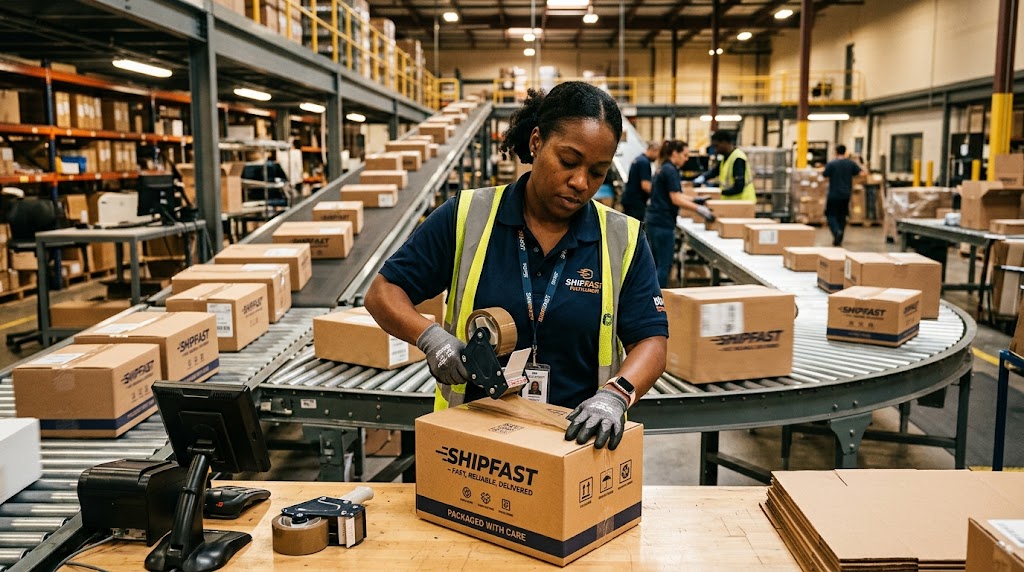
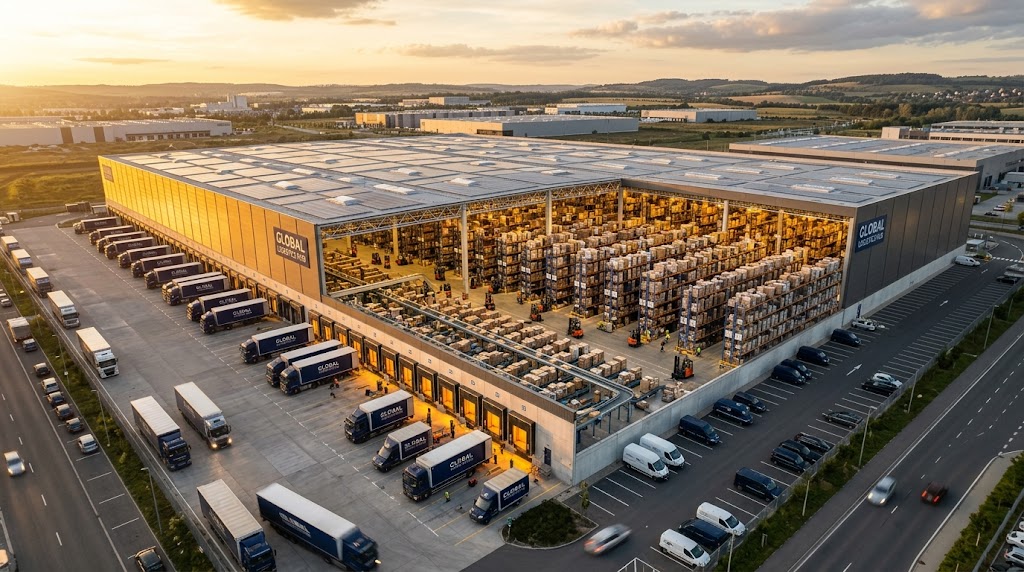
Domestic fulfillment networks have transformed what’s possible for dropshippers. Instead of shipping every order from a factory in Shenzhen, forward-thinking operators now pre-position inventory in warehouses close to their end customers. USADROP operates 18 global warehouses, including key U.S. locations, which means products can reach American customers in 2-5 business days rather than 2-5 weeks. This single change — moving from international to domestic shipping — can improve conversion rates by 25-40% and dramatically reduce refund requests and chargebacks.
Custom branding is the other game-changer. When a customer receives a product in a plain poly mailer with Chinese characters on the label, the illusion of a premium brand evaporates instantly. Modern fulfillment partners offer private labeling, branded packaging inserts, custom boxes, and even thank-you cards. These touches don’t just improve the unboxing experience — they build the kind of brand equity that drives repeat purchases and word-of-mouth referrals. In a market where customer acquisition costs keep rising, increasing customer lifetime value through branding is one of the most effective margin-protection strategies available.
With over 80 million orders fulfilled across more than a decade of operations, USADROP has refined these processes to the point where new sellers can launch a fully branded, fast-shipping store in as little as 24 hours. That’s a dramatic departure from the old model, where setting up supplier relationships alone could take weeks of back-and-forth communication, sample orders, and quality testing. If you’re evaluating options for a comprehensive dropshipping platform, prioritize partners who offer both warehousing and branding under one roof.
Step-by-Step: Launching Profitably
Knowing the theory is one thing. Executing it is another. Here’s a practical roadmap for launching a dropshipping store that has a realistic chance of profitability in 2026.

Step 1: Niche and product research. Start with a niche you understand or are willing to learn deeply. Use tools like Google Trends, TikTok Creative Center, and Amazon Best Sellers to identify products with consistent demand and room for margin. Avoid ultra-competitive commodity categories unless you have a clear angle (bundling, superior branding, unique content). Look for products priced between $25-$75 at retail — high enough to support healthy margins, low enough to encourage impulse purchases.
Step 2: Secure a reliable fulfillment partner. This step comes before building your store, not after. Vet suppliers based on shipping speed, product quality (order samples), communication responsiveness, return handling, and branding capabilities. A detailed guide on how to start dropshipping can walk you through the supplier evaluation process in greater detail.
Step 3: Build a conversion-optimized store. Use Shopify, WooCommerce, or a similar platform. Focus on clean design, fast load speeds, mobile optimization, trust signals (reviews, badges, clear return policies), and persuasive product pages. Your product descriptions should address objections, highlight benefits (not just features), and include high-quality images or videos. Don’t launch with 200 products — start with 5-15 well-researched items.
Step 4: Set up your marketing engine. For most new dropshippers, Meta Ads (Facebook/Instagram) and TikTok Ads are the primary customer acquisition channels. Start with a small daily budget ($20-$50), test multiple ad creatives and audiences, and let data guide your decisions. Organic content on TikTok and Instagram Reels can supplement paid efforts and reduce overall CAC over time. Email marketing (Klaviyo, Omnisend) should be set up from day one — automated flows for abandoned carts, welcome sequences, and post-purchase follow-ups can recover 10-20% of otherwise lost revenue.
Step 5: Analyze, optimize, iterate. Track your key metrics religiously: cost per click, cost per purchase, conversion rate, average order value, return rate, and net profit margin. Kill underperforming products and ads quickly. Double down on what’s working. Test new products continuously — even successful stores need fresh inventory to sustain growth. The dropshipping business model rewards speed of iteration more than perfection on the first try.
Step 6: Scale with infrastructure. Once you’ve found winning products and profitable ad campaigns, scaling means increasing ad spend while maintaining ROAS, expanding to new marketing channels (Google Shopping, YouTube, influencer partnerships), and potentially adding new product lines. At this stage, the reliability of your fulfillment partner becomes even more critical — a supplier that handles 10 orders per day smoothly might buckle at 200. Choose partners with proven scale capacity from the beginning.
Dropshipping vs. Traditional E-commerce
A fair analysis of the dropshipping model requires comparing it honestly against traditional e-commerce (buying inventory wholesale, storing it, and shipping it yourself or through a 3PL).
Startup cost: Dropshipping wins decisively. A traditional e-commerce store might require $5,000-$50,000 in initial inventory investment, plus warehousing costs. A dropshipping store can launch for $200-$1,000 total.
Risk profile: Dropshipping is lower risk. If a product doesn’t sell, you haven’t bought 500 units sitting in a warehouse. You simply remove the listing and test something else. Traditional e-commerce ties up capital in inventory that may or may not move.
Profit margins: Traditional e-commerce typically offers higher per-unit margins (30-60%) because buying in bulk reduces cost per unit. Dropshipping margins are lower per unit but require no upfront capital commitment.
Shipping control: Traditional e-commerce (or using a 3PL with your own inventory) gives you more direct control over shipping speed and packaging. However, modern dropshipping fulfillment partners have closed this gap significantly by offering domestic warehousing and custom branding services.
Scalability: Both models can scale, but they scale differently. Dropshipping scales more easily in terms of product catalog expansion — you can test dozens of products without buying inventory for any of them. Traditional e-commerce scales better in terms of unit economics once you’ve identified proven winners, since bulk purchasing drives costs down.
The hybrid approach is increasingly common in 2026. Many successful entrepreneurs start with dropshipping to validate products with minimal risk, then transition their top sellers to bulk inventory held in domestic warehouses. This gives them the best of both worlds: the testing flexibility of dropshipping and the margin advantages of wholesale purchasing.
The honest answer to “does dropshipping really work in 2026?” is: yes, but it works differently than it did in 2016 or even 2022. The model rewards operators who treat it as a legitimate business, invest in brand building, prioritize customer experience, and partner with infrastructure that can deliver speed and quality. The low barrier to entry is still a strength — but it also means the floor for quality has risen. The entrepreneurs who clear that bar are building real, sustainable businesses.
FAQ
Is the dropshipping business model profitable?
Yes, well-run dropshipping stores typically achieve net profit margins of 10-20% after all expenses. Profitability depends heavily on niche selection, ad efficiency, and supplier pricing.
How much money do I need to start?
Most dropshipping stores can launch for $200-$1,000, covering your e-commerce platform subscription, domain, and initial advertising budget. No inventory investment is required.
How long before a dropshipping store becomes profitable?
Most stores take 2-6 months of active testing and optimization before reaching consistent profitability. Expect the first 30-60 days to be a learning and data-gathering phase.
What’s the biggest risk in dropshipping?
Unreliable suppliers are the biggest risk, leading to slow shipping, poor product quality, and customer complaints. Partnering with an established fulfillment provider mitigates this significantly.
Can I dropship and still offer fast shipping?
Absolutely — by working with fulfillment partners that maintain domestic warehouse inventory, you can offer 2-5 day shipping to U.S. customers, matching the speed consumers now expect.
Ready to launch a dropshipping store that’s built on speed, branding, and reliable fulfillment from day one? USADROP gives you access to 18 global warehouses, 8.66% lower product pricing, custom branding options, and a platform designed to get you live in 24 hours. With over 80 million orders fulfilled and more than a decade of experience, USADROP is the fulfillment partner serious dropshippers trust to scale. Visit USADROP to get started today.