A great dropshipping business plan is the key to the success of dropshipping. Because the details and industry you choose determine how far you can go. We’ve seen the rumors about how time is wasted on dropshipping. This is due to the lack of patience, the wrong path or the plans they chose.
In this guide, we’ve compiled 20 real-world dropshipping business plan examples, broken down by niche, stage, and purpose — plus a free, ready-to-use template you can customize today.

Why You Need a Dropshipping Business Plan
Most first-time dropshippers skip the planning stage and jump straight to store setup. This is one of the most common reasons stores fail within the first 90 days.
A business plan does five critical things:
1. Forces clarity — you can’t write a plan around a fuzzy idea
2. Identifies risks early — supplier dependency, margin compression, seasonality
3. Guides decision-making — when you face a fork in the road, your plan is the tiebreaker
4. Communicates credibility — to banks, partners, and potential co-founders
5. Measures progress — you can’t know if you’re winning without defined milestones
The good news: a dropshipping business plan doesn’t need to be a 50-page document. The best ones are lean, specific, and actionable.
What Should a Dropshipping Business Plan Include?
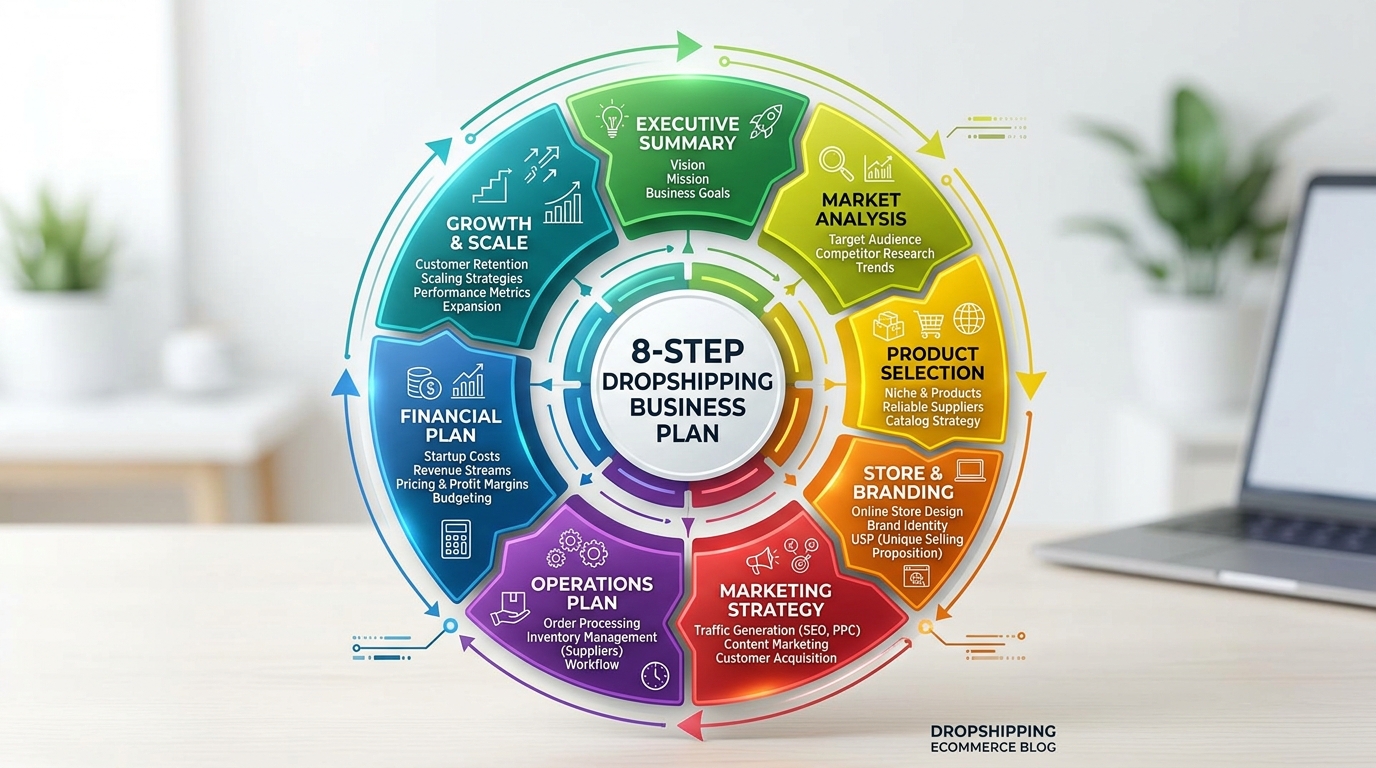
Before diving into examples, here are the core sections every dropshipping business plan should cover:
| Section | What to Cover |
|---|---|
| Executive Summary | Business overview, vision, and key goals |
| Company Description | Business name, legal structure, location, mission |
| Market Analysis | Target audience, niche size, competitor landscape |
| Products & Suppliers | What you sell, who fulfills it, pricing strategy |
| Marketing Plan | Traffic channels, content strategy, ad budget |
| Operations Plan | Order fulfillment workflow, customer service, tools |
| Financial Projections | Startup costs, revenue forecast, break-even analysis |
| Milestones & Goals | 30/60/90 day targets, 1-year vision |
Now let’s look at 20 real examples across different niches and business stages.
Part 1: Beginner Dropshipping Business Plan Examples
Example 1: Pet Accessories Dropshipping Store (First Store, Zero Budget)
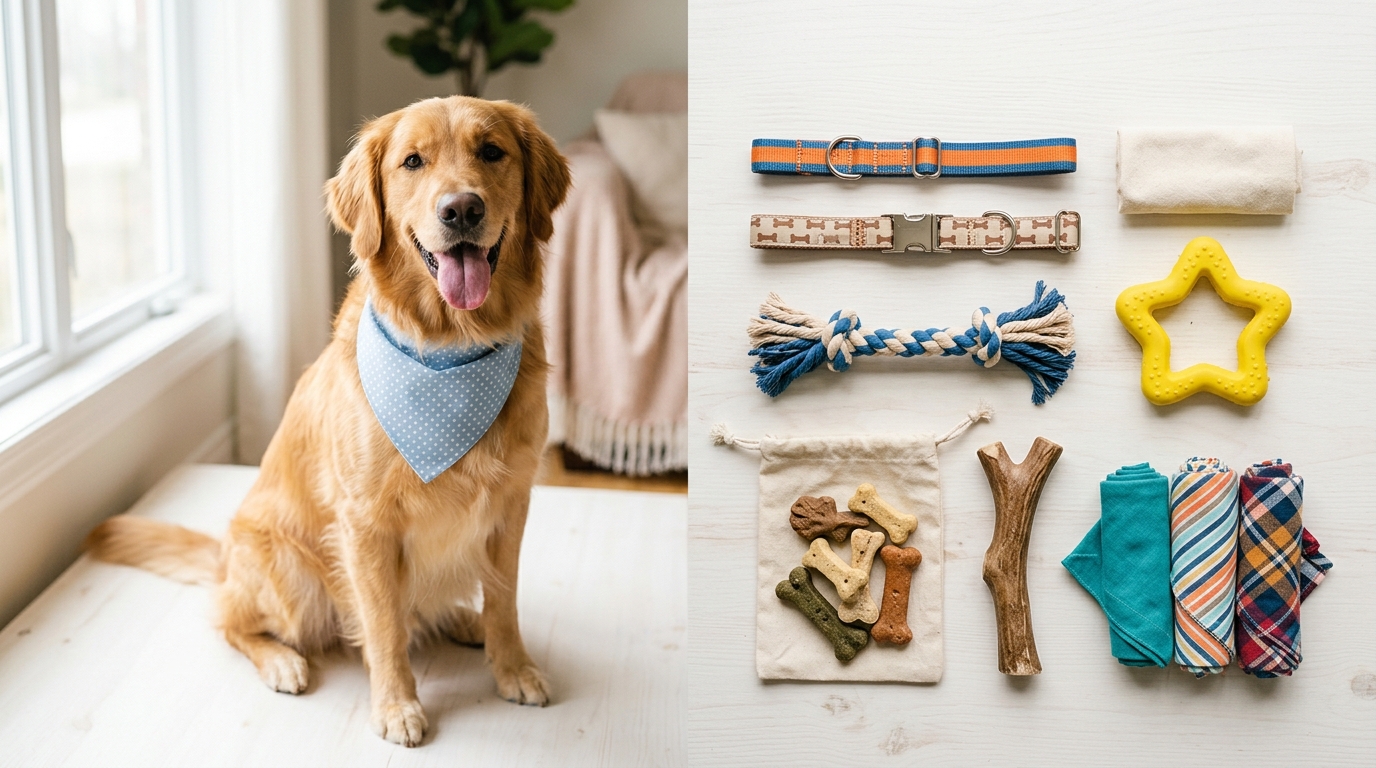
Business Overview: A one-person operation targeting millennial and Gen Z dog owners in the US. Products sourced from USAdrop’s US warehouse for 3–5 day delivery.
Target Customer: Dog owners aged 22–40, household income $50K+, active on Instagram and TikTok.
Key Products:
- Dog bandanas and bow ties ($12–$18 retail)
- Personalized pet ID tags ($15–$25)
- Travel water bottles for dogs ($18–$30)
Marketing Approach: 100% organic — 3 TikTok videos/week, 5 Pinterest pins/week, Instagram Reels.
30-Day Goal: 10 orders
90-Day Goal: 50 orders/month
Year 1 Revenue Target: $35,000
Startup Costs:
- Shopify ($1/month promo): $3 for 3 months
- Custom domain: $14/year
- Canva Pro: $0 (free tier)
- Product samples: $60
- Total: ~$77
Why This Works: Pet owners are passionate, repeat buyers. The niche is evergreen, high-emotion, and extremely active on visual social platforms.
Example 2: Desk & Home Office Accessories (Remote Worker Niche)
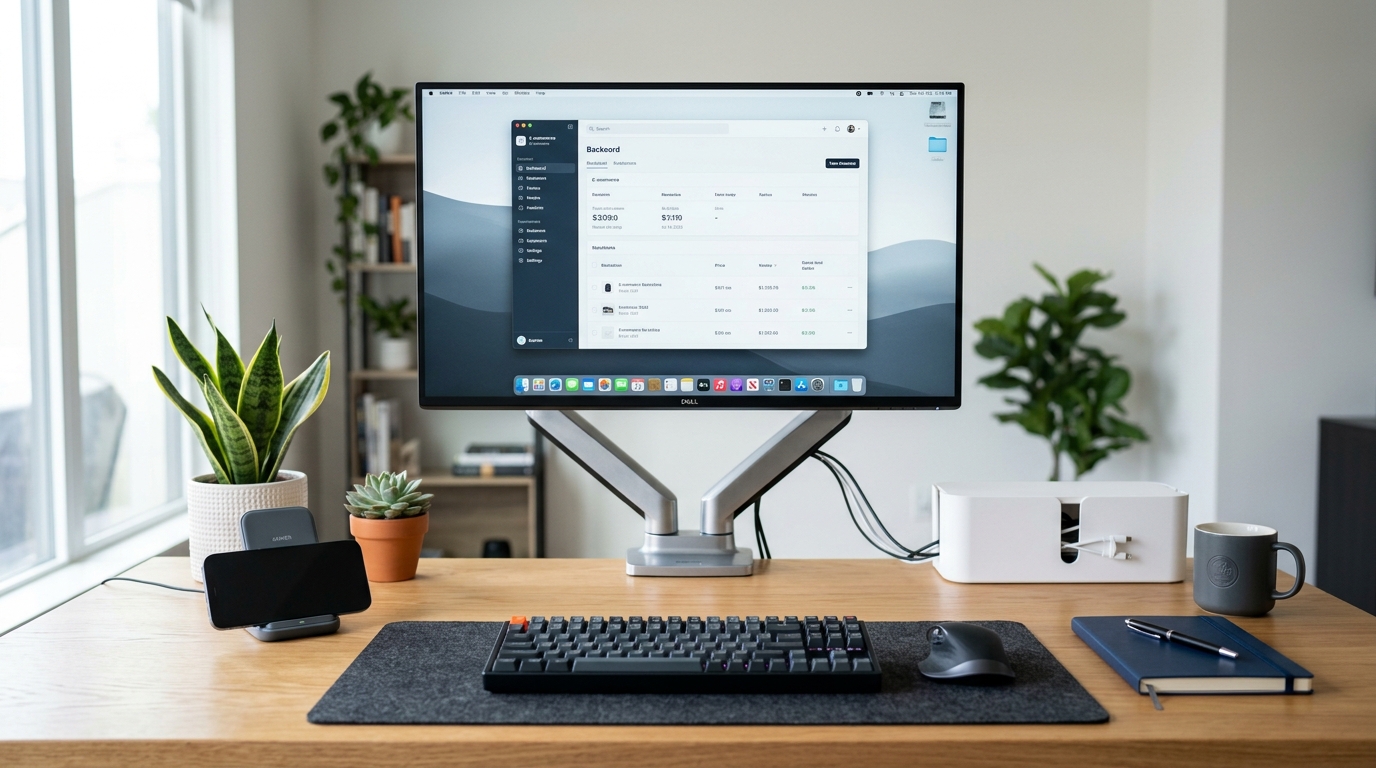
Business Overview: Targeting remote workers and work-from-home professionals with premium desk accessories under $60.
Target Customer: Remote employees aged 25–45, tech-savvy, value aesthetics and productivity.
Key Products:
- Bamboo desk organizers ($22–$35)
- Monitor risers with USB hubs ($35–$55)
- Cable management kits ($15–$25)
- Laptop stands ($30–$50)
Marketing Approach: Pinterest SEO (long-term), LinkedIn content marketing (B2B adjacent), YouTube Shorts.
Revenue Projection:
| Month | Orders | Avg. Order Value | Revenue |
|---|---|---|---|
| Month 1 | 15 | $38 | $570 |
| Month 3 | 60 | $42 | $2,520 |
| Month 6 | 180 | $45 | $8,100 |
| Month 12 | 400 | $47 | $18,800 |
Key Risk: Amazon competition. Mitigation: bundle products (e.g., “Complete Desk Makeover Kit”) to differentiate.
Example 3: Fitness & Gym Accessories (Budget-Focused Beginner)
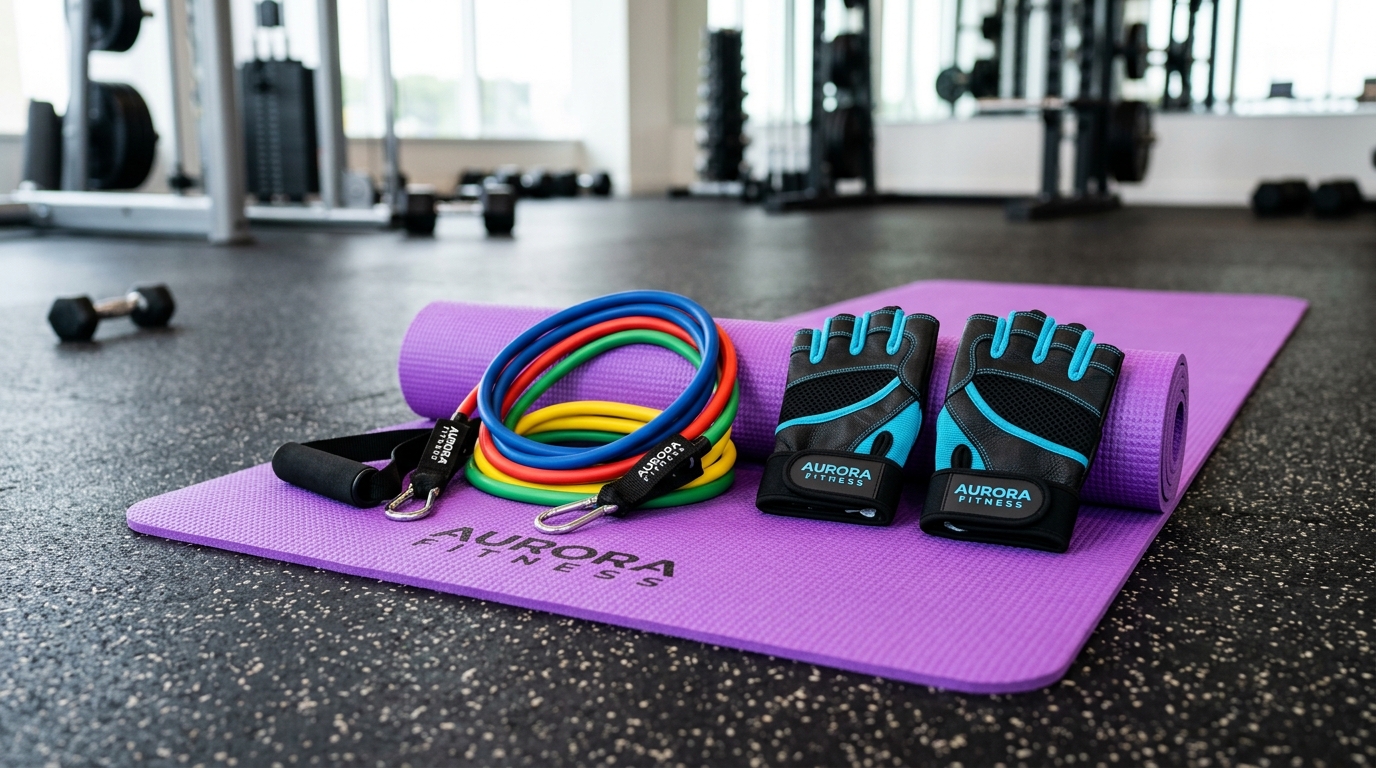
Business Overview: Selling affordable home gym accessories to fitness beginners who can’t afford gym memberships.
Niche Insight: Post-pandemic home fitness is a $12B+ market that hasn’t peaked. Beginners are underserved — most fitness stores cater to advanced athletes.
Key Products:
- Resistance band sets ($18–$28)
- Ab rollers ($15–$22)
- Yoga mats ($25–$40)
- Jump ropes ($10–$16)
Supplier Strategy: USAdrop US-warehouse products for fast delivery. Target 40–55% gross margin.
Marketing Plan: Facebook Group engagement (fitness communities), YouTube “beginner workout” content, TikTok transformation content.
Example 4: Baby & Toddler Products (High-Anxiety, High-Trust Niche)
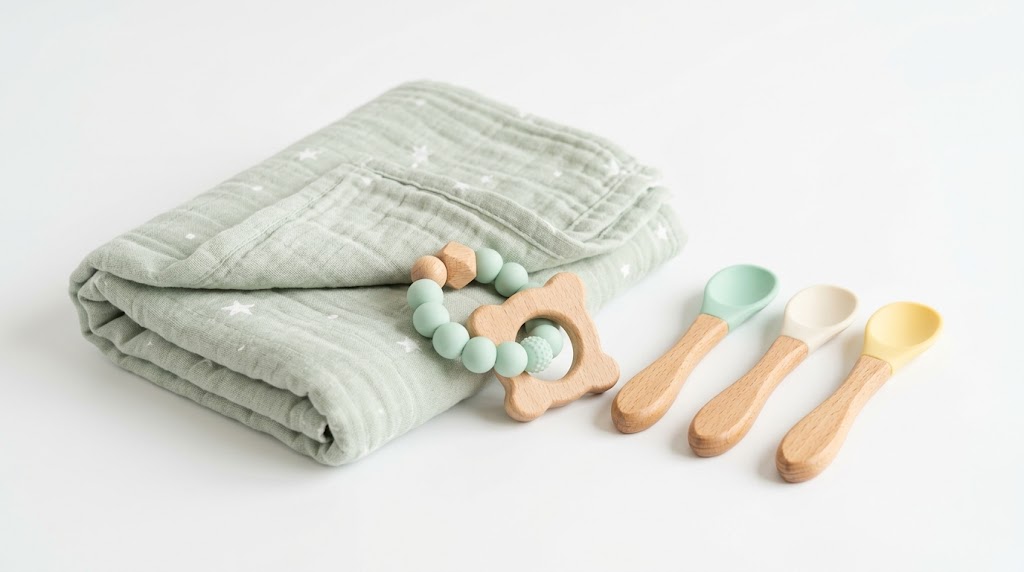
Business Overview: Curated, safety-focused baby accessories for new parents.
Critical Differentiator: All products are BPA-free, non-toxic certified, or organic — prominently marketed. Trust is the primary purchase driver in this niche.
Products:
- Silicone teething toys ($10–$18)
- Bamboo baby blankets ($22–$35)
- Baby food pouches/accessories ($12–$20)
- Milestone photo cards ($8–$15)
Marketing: Facebook ads (new parent targeting is extremely specific and affordable), mommy blogger partnerships, Pinterest.
Avg. Customer LTV: High — satisfied baby product buyers return for every stage of childhood.
Example 5: Car Accessories (Mass Market, Low Competition)
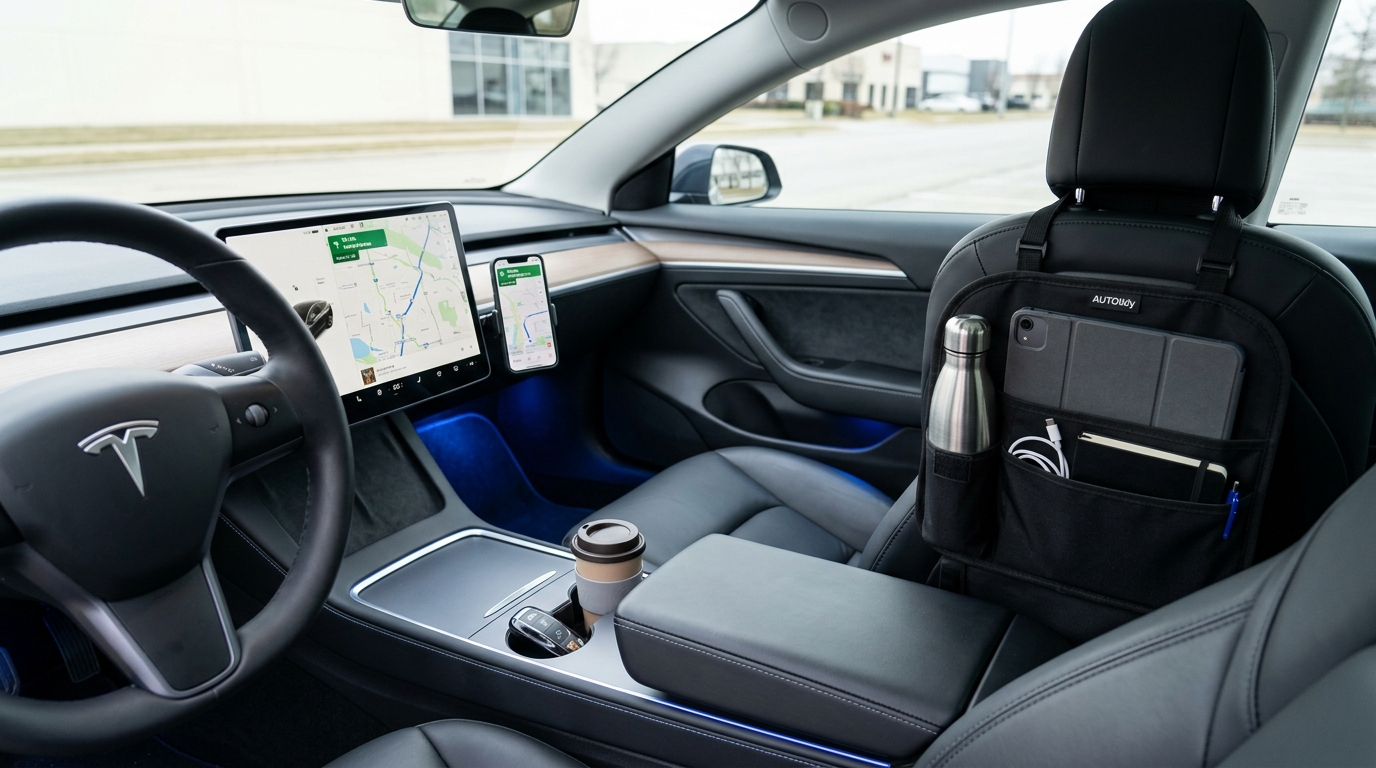
Business Overview: Practical and aesthetic car accessories for everyday drivers.
Why This Niche: There are 280M+ registered vehicles in the US. Car accessories are high-impulse, gift-friendly, and rarely dominated by a single brand.
Top Products:
- Magnetic phone mounts ($14–$22)
- Car seat gap organizers ($18–$28)
- LED interior ambient lights ($20–$35)
- Trunk organizers ($25–$40)
Marketing: YouTube product reviews, TikTok “car setup” content, Google Shopping ads.
Part 2: Intermediate Dropshipping Business Plan Examples
Example 6: Branded One-Product Store
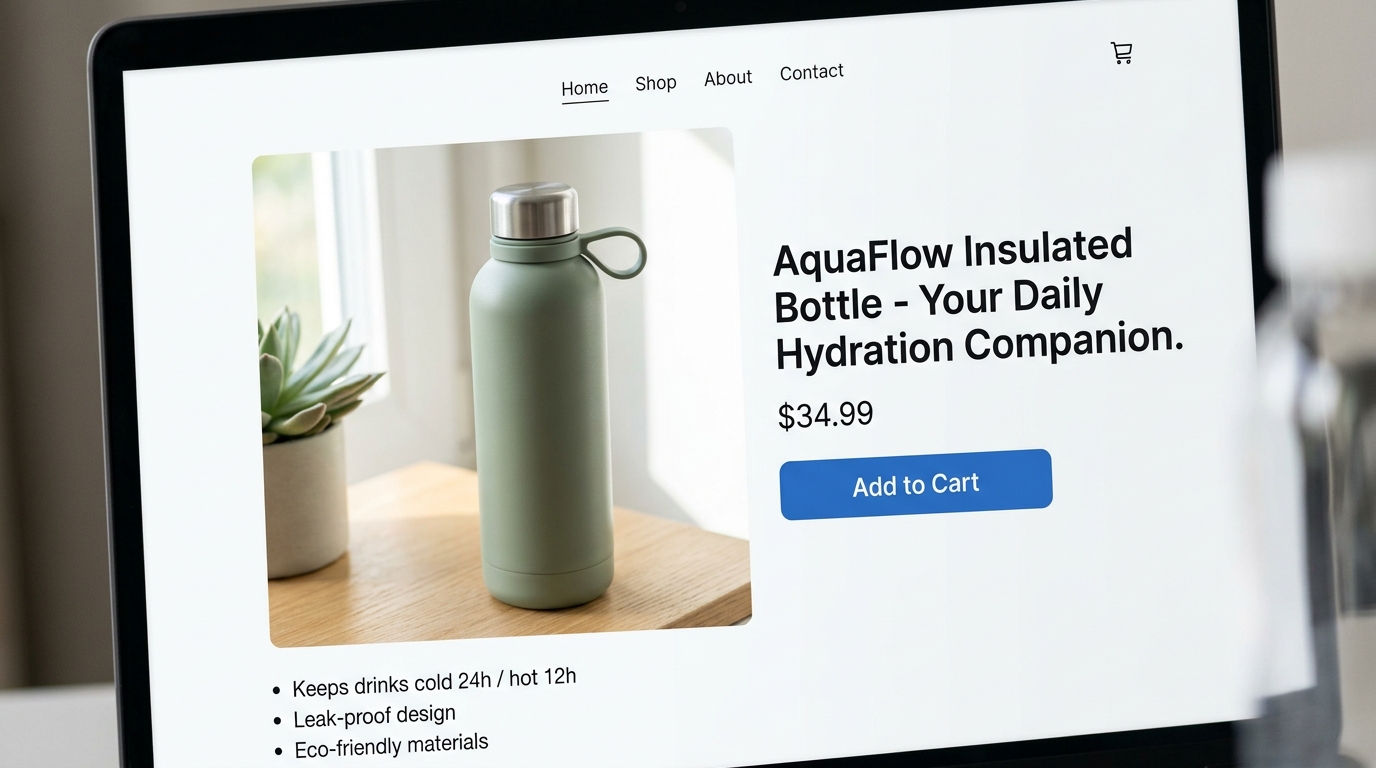
Business Overview: A single-product store focused entirely on one hero product — a posture corrector brace targeting office workers with back pain.
The Case for One-Product Stores:
- Easier to A/B test ads
- Simpler operations
- Stronger brand identity
- Higher conversion rates (no decision paralysis)
Product: Posture Corrector Brace
Retail Price: $39.99
Cost: $11.50
Gross Margin: 71%
Marketing Budget (Month 1): $500 Facebook ads
Break-Even: 22 units sold
Projected ROAS: 2.8x
Scaling Plan: Once ROAS is proven, scale budget 20%/week. Add complementary products (foam roller, lumbar pillow) in Month 4 to increase AOV.
Example 7: Seasonal Niche Store (Holiday/Gifting Focus)
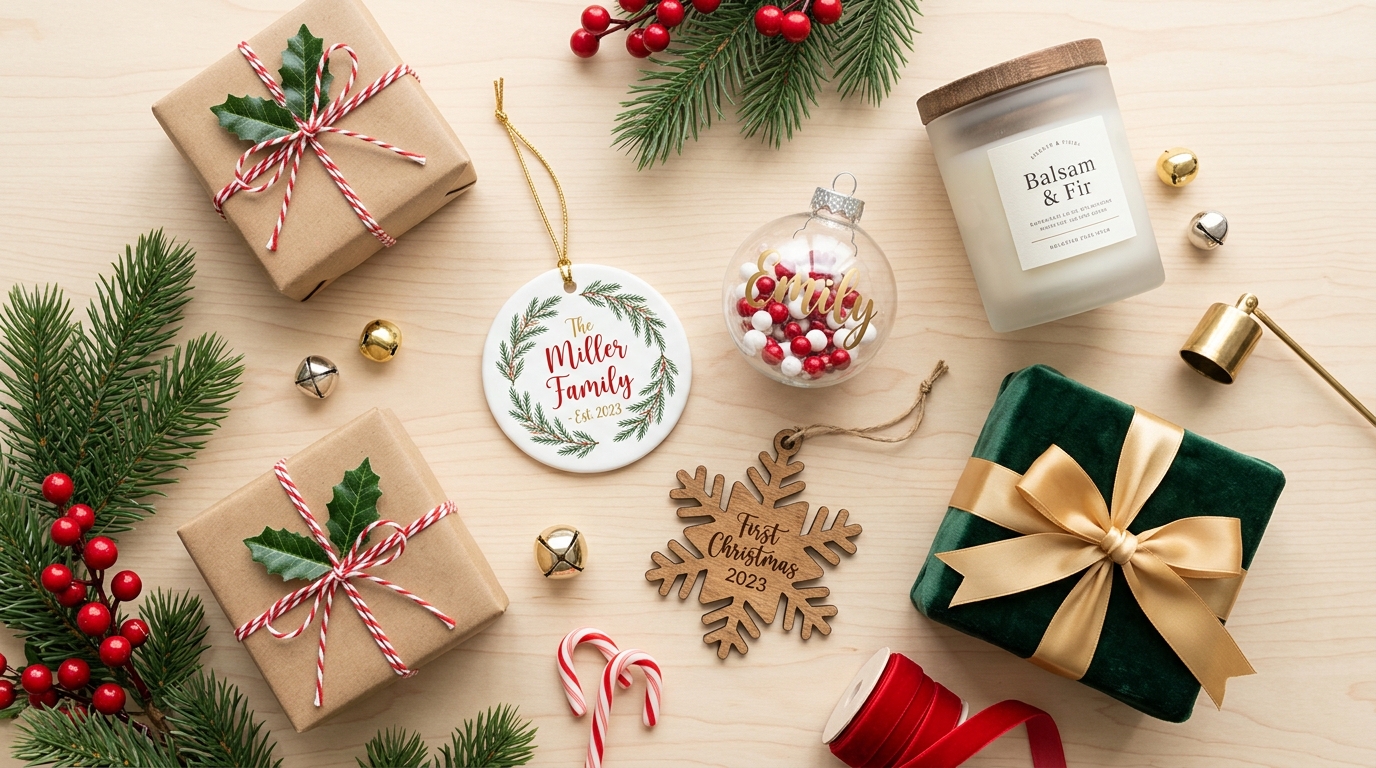
Business Overview: A gift-focused dropshipping store that generates 70% of annual revenue between October–December.
Business Model Insight: Build the store in August. Drive organic content in September. Launch paid ads in October. Run hard through December. Use Q1–Q3 to plan the next peak.
Product Categories:
- Personalized gifts (mugs, photo frames, keychains)
- Stocking stuffers ($8–$20)
- Holiday home decor ($15–$45)
- Gift sets/bundles ($35–$75)
Revenue Projection (4-Month Season):
| Month | Revenue |
|---|---|
| September | $1,200 |
| October | $4,800 |
| November | $12,500 |
| December | $22,000 |
| Total | $40,500 |
Example 8: Eco-Friendly / Sustainable Products
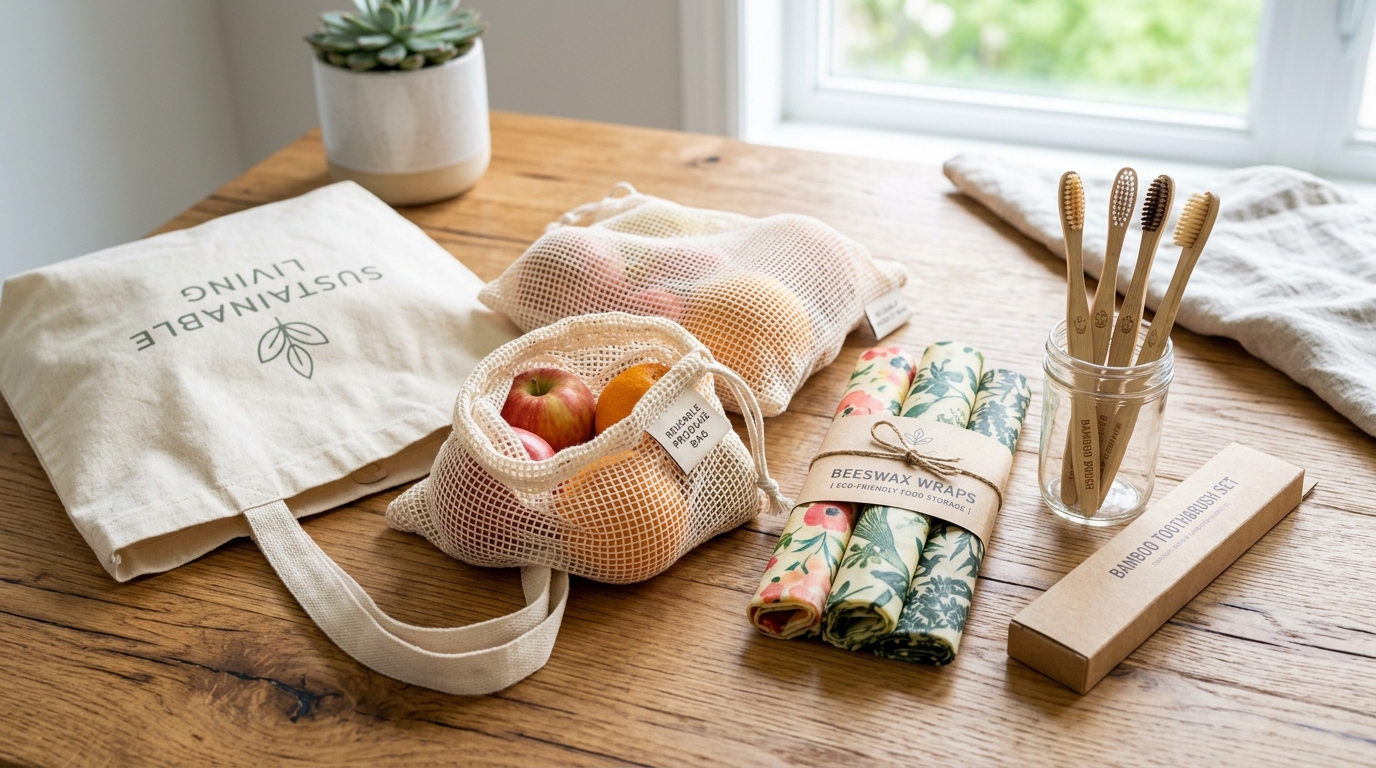
Business Overview: Sustainable everyday alternatives targeting environmentally conscious consumers.
Market Context: The global green consumer market is worth $150B+ and growing 10% annually. Younger demographics actively seek sustainable alternatives to disposable products.
Products:
- Bamboo toothbrush sets ($12–$18)
- Reusable beeswax food wraps ($16–$24)
- Organic cotton produce bags ($14–$22)
- Compostable phone cases ($25–$40)
Brand Positioning: “Every order plants a tree” partnership with a reforestation nonprofit — builds community and differentiates on values.
Marketing: Instagram (visual, values-led), Pinterest, email list built around sustainability tips.
Example 9: Health & Wellness Supplements Accessories
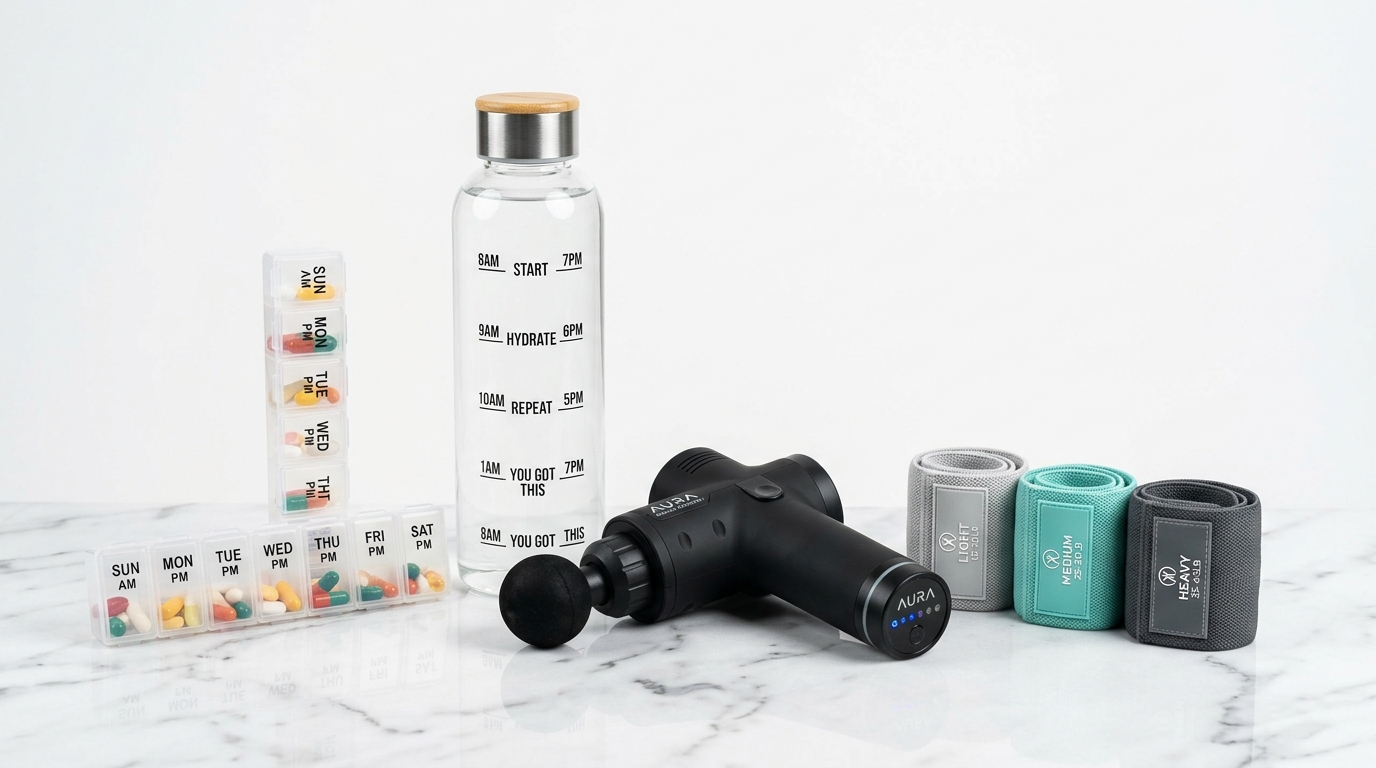
Business Overview: Non-supplement wellness accessories (avoiding regulatory complexity of actual supplements) targeting health-conscious adults.
Products:
- Daily pill organizers ($12–$20)
- Hydration-tracking water bottles ($22–$35)
- Acupressure mats ($35–$55)
- Massage rollers and tools ($18–$40)
Note on Compliance: This plan explicitly avoids selling supplements, vitamins, or anything making health claims — keeping operations simple and ad accounts clean.
Example 10: Kitchen Gadget Store
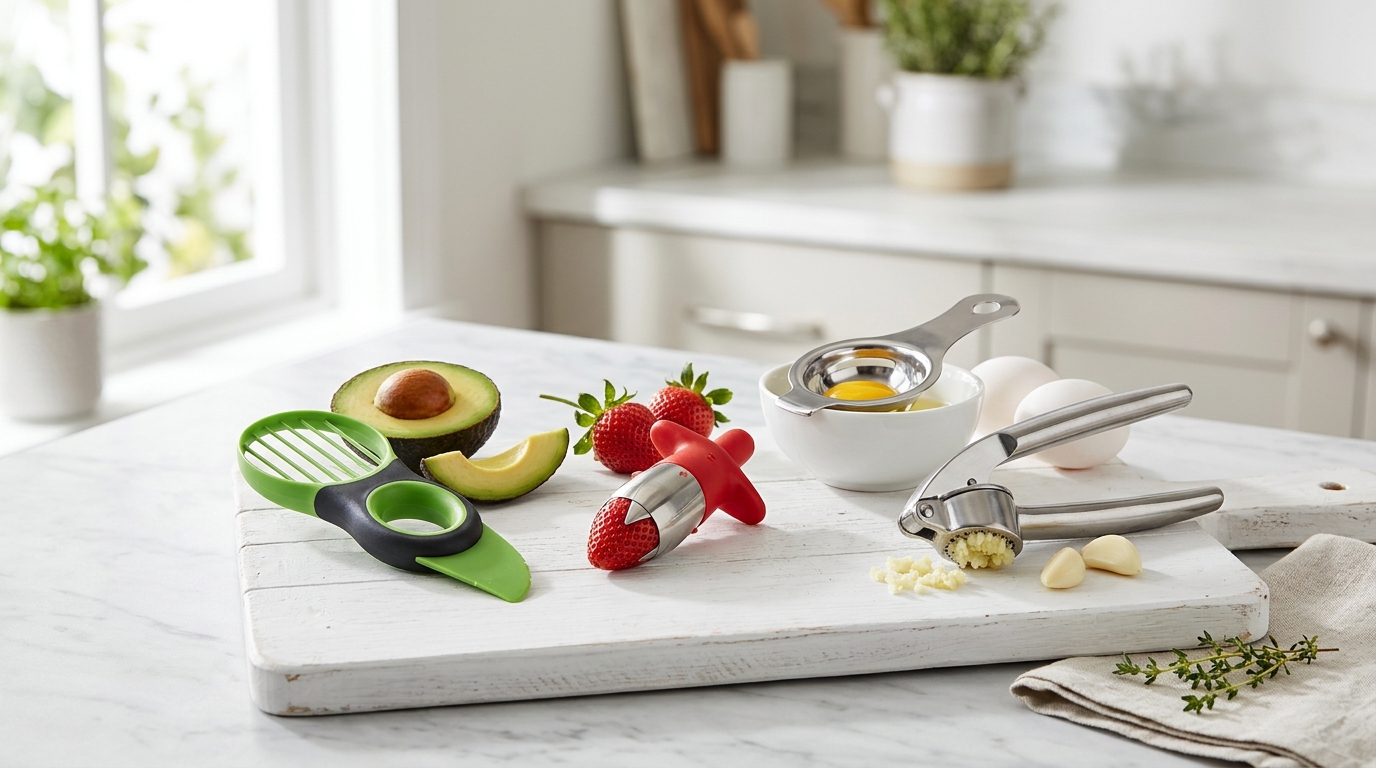
Business Overview: Viral kitchen tools targeting home cooks who love discovering clever, time-saving gadgets.
Why This Works: Kitchen gadgets are extremely shareable (TikTok “cooking hack” videos), gift-friendly, and impulse-purchased at low price points.
Key Products:
- Avocado tools ($10–$16)
- Vegetable spiralizers ($18–$28)
- Herb strippers and choppers ($12–$20)
- Silicone food storage bags ($14–$22)
TikTok Strategy: Film 30-second “you didn’t know you needed this” demo videos for every product. Repost to YouTube Shorts and Instagram Reels. One viral video = hundreds of orders.
Part 3: Advanced Dropshipping Business Plan Examples
Example 11: Private Label Dropshipping (Next-Level)

Business Overview: Begin with generic dropshipping products, then transition to private label (custom branding) for the top 3 winners.
Phase 1 (Months 1–3): Test 15–20 products via standard dropshipping. Identify 2–3 with 50+ consistent orders/month.
Phase 2 (Months 4–6): Contact manufacturer for private label minimum. Typically 100–500 units.
Phase 3 (Months 7–12): Launch branded version with custom packaging. Raise price 20–30%. Build brand equity.
Why This Matters: Private label products can be listed on Amazon, have higher margins, and build an asset that can be sold.
Example 12: B2B Dropshipping (Corporate & Bulk Orders)
Business Overview: Targeting small businesses, offices, and event planners who order in bulk.
Example Niche: Custom branded merchandise for corporate gifting — notebooks, mugs, tote bags, pens.
Business Model: Partner with a print-on-demand + dropshipping hybrid supplier. Offer bulk pricing tiers. Sales cycle is longer but average order value is 5–10x higher than B2C.
Revenue per Order: $300–$2,000+
Marketing: LinkedIn outreach, Google Ads for “corporate gift supplier”, email campaigns.
Example 13: Multi-Store Portfolio Approach
Business Overview: Operating 3–5 niche dropshipping stores simultaneously, each targeting a different audience.
Portfolio Structure:
| Store | Niche | Monthly Revenue Target |
|---|---|---|
| Store 1 | Pet accessories | $8,000 |
| Store 2 | Home office | $6,000 |
| Store 3 | Fitness gear | $5,000 |
| Store 4 | Baby products | $7,000 |
| Total | $26,000 |
Operations: Centralized Shopify account. VA handles customer service across all stores. USAdrop integration automates fulfillment.
Example 14: TikTok Shop-First Strategy
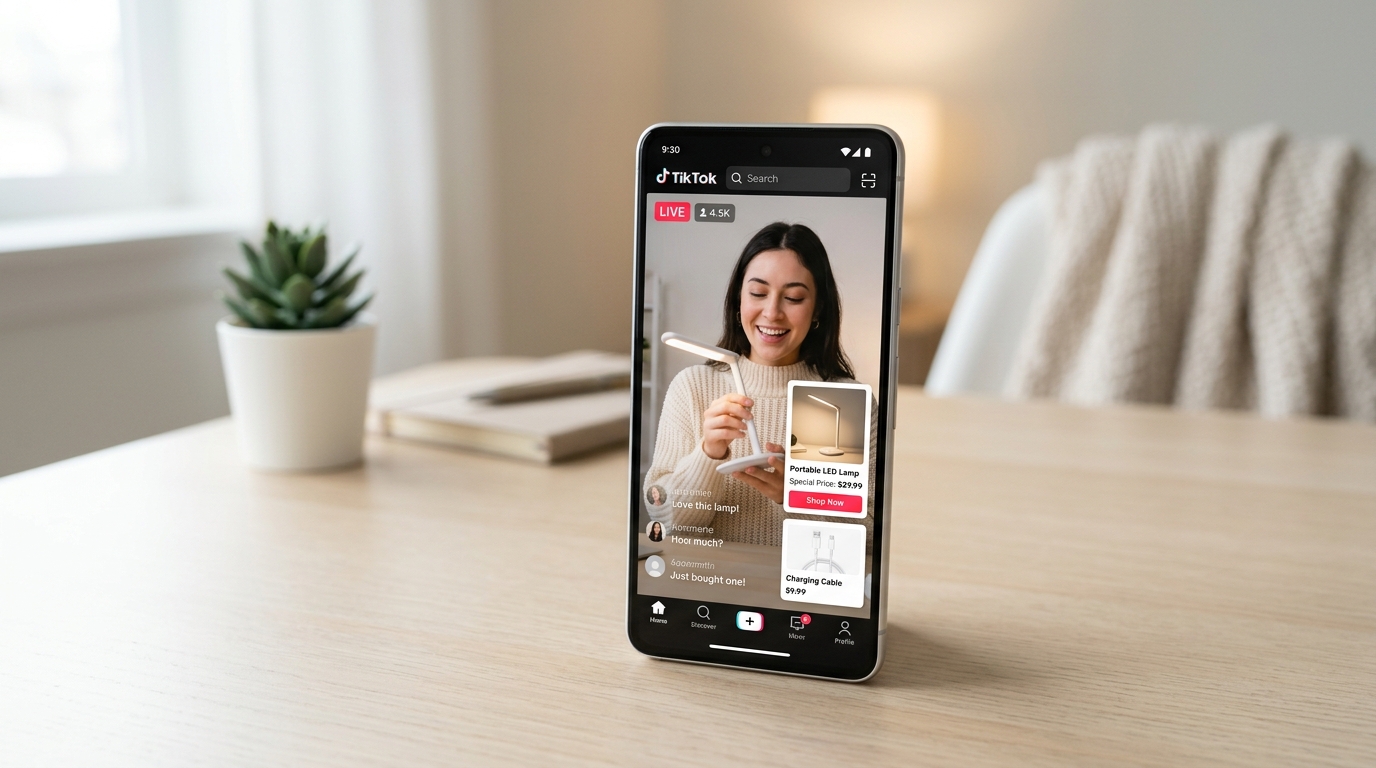
Business Overview: Leveraging TikTok Shop’s native commerce features before building an independent store.
Advantages: No Shopify fee, built-in audience, live shopping features, affiliate creator network.
Strategy: Partner with micro-influencers (10K–100K followers) in your niche via TikTok’s creator marketplace. Pay per sale (affiliate model). Only invest in ads for proven products.
Products that work best: Visual, demonstrable, $15–$50 price range, solves a relatable problem.
Example 15: Subscription Box Dropshipping
Business Overview: A curated monthly subscription box dropshipped from multiple suppliers.
Niche Example: Monthly self-care box for women — bath bombs, face masks, candles, journals.
Model: Customers subscribe and pay monthly. You assemble the box concept and coordinate fulfillment from 2–3 suppliers to a 3PL (third-party logistics provider) for boxing and shipping.
Revenue Predictability: Subscription revenue is recurring — 200 subscribers at $30/month = $6,000/month predictable baseline.
Part 4: Niche-Specific Supplementary Examples
Example 16: Jewelry Dropshipping Business Plan
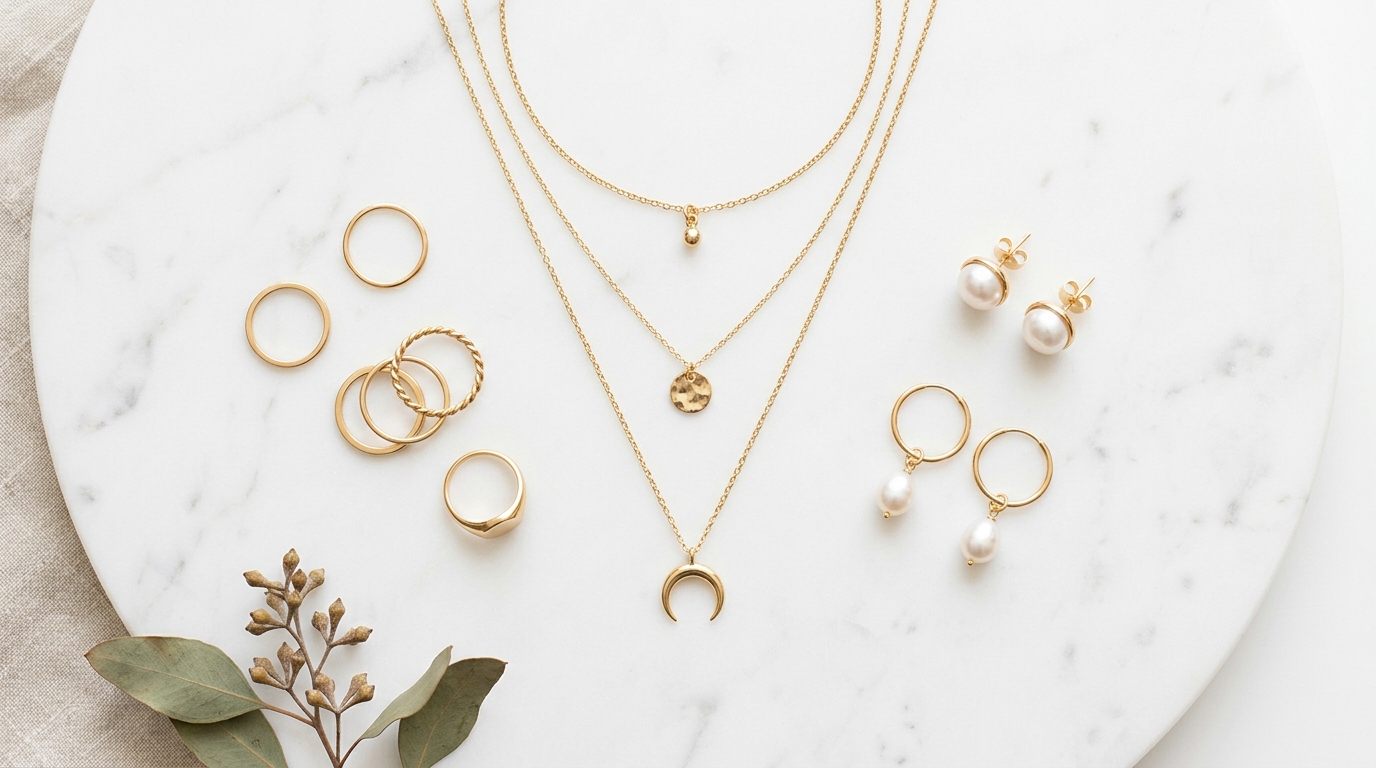
Niche: Minimalist everyday jewelry (non-fashion, non-luxury).
Key Risk: Returns due to size/fit. Mitigation: detailed sizing guides, liberal return policy.
Pricing: $20–$60 retail, 60–70% gross margin.
Marketing: Pinterest and Instagram — highly visual, builds brand aspiration.
Example 17: Sports & Outdoor Gear
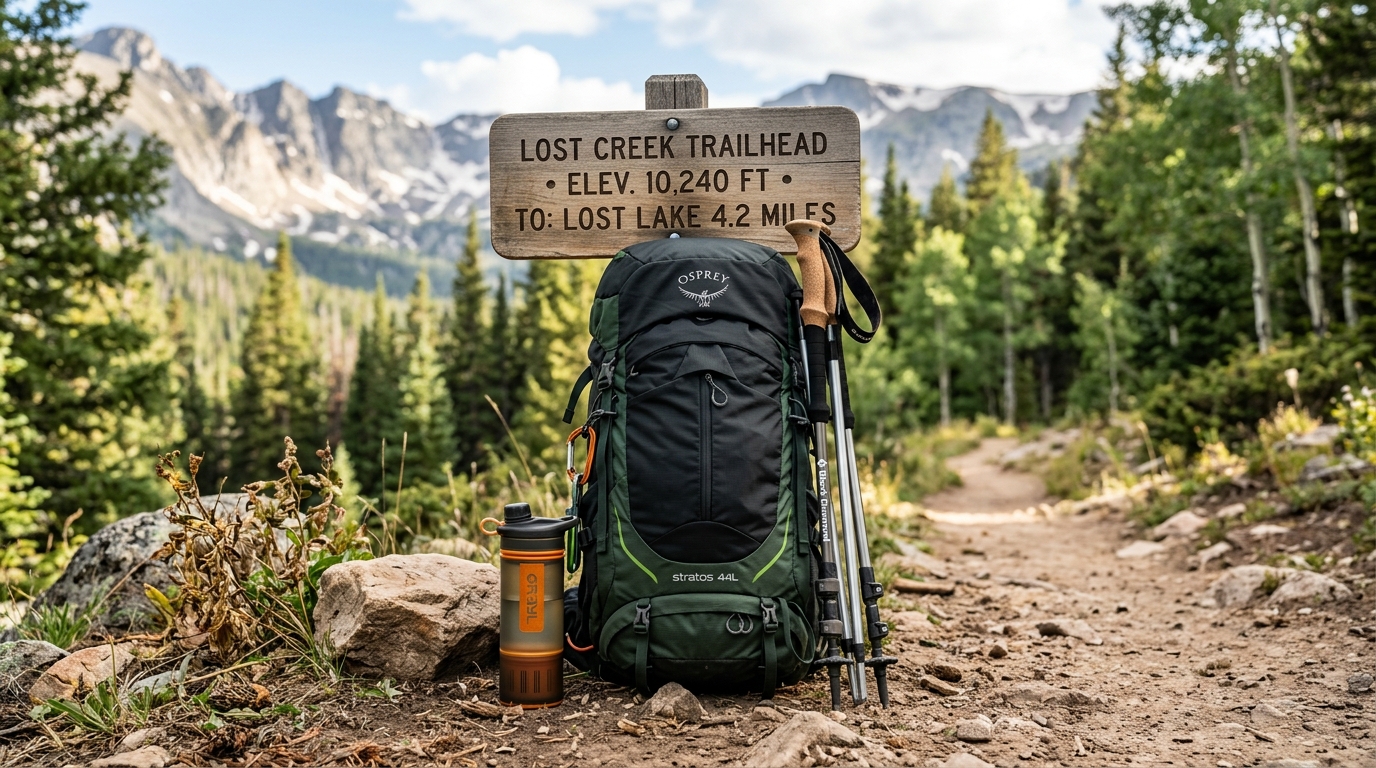
Niche: Hiking and trail running accessories under $75.
Supplier Consideration: Use USAdrop to source from US-warehouse inventory for fast delivery — outdoor gear buyers expect it.
SEO Strategy: “Best [product] for [trail type/distance]” blog content drives consistent organic traffic.
Example 18: Beauty & Skincare Tools

Niche: Non-consumable beauty tools (avoids FDA complications of actual skincare products).
Top Products: Jade rollers, gua sha tools, LED therapy masks, facial steamers.
Marketing: Influencer gifting (send $15 in product, get a $500 video).
Example 19: Educational Toys & Kids Activities
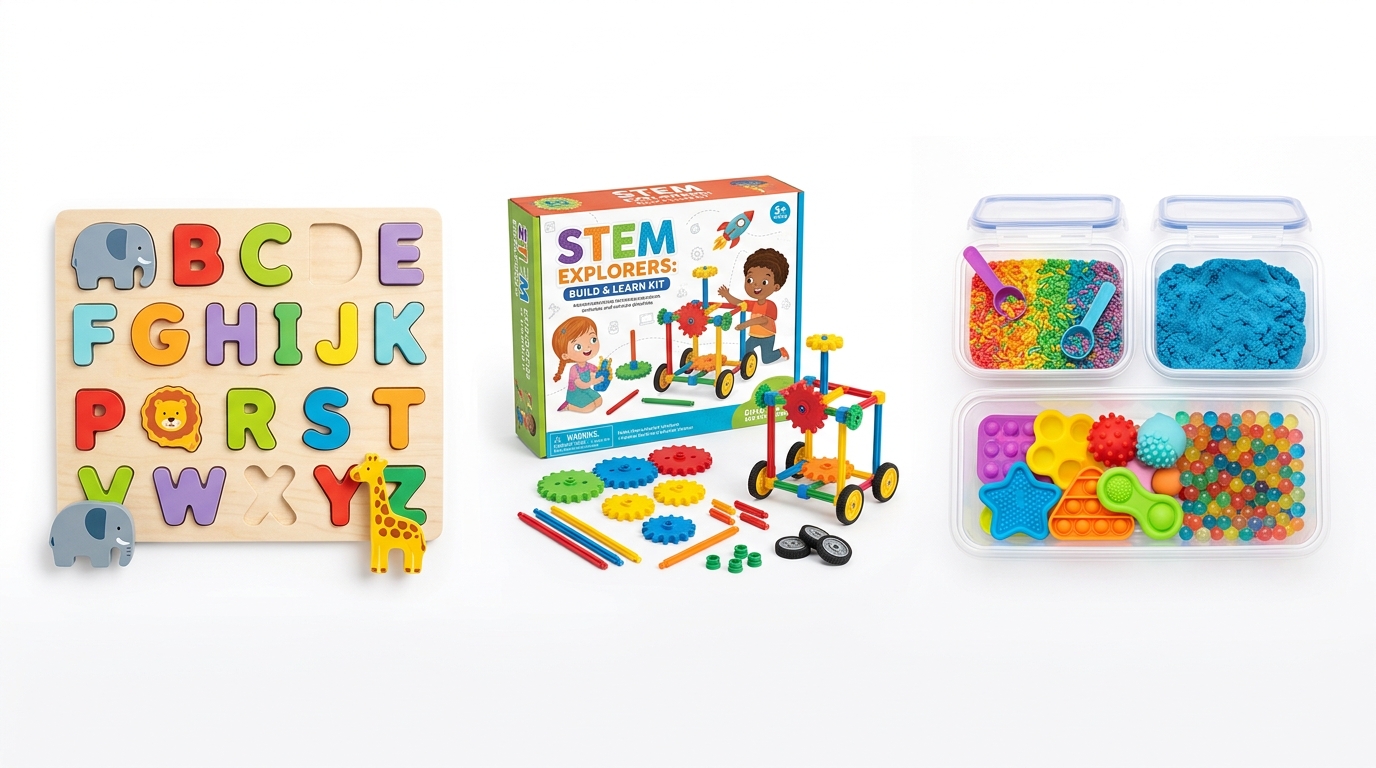
Niche: Educational gifts for kids aged 2–8, targeting gift-buying parents and grandparents.
Key Insight: Gift buyers don’t haggle on price. A $35 “educational” toy beats a $12 generic toy every time.
Marketing: Facebook ads targeting grandparents and aunts/uncles. Pinterest boards for “gift ideas for toddlers.”
Example 20: Tech Accessories
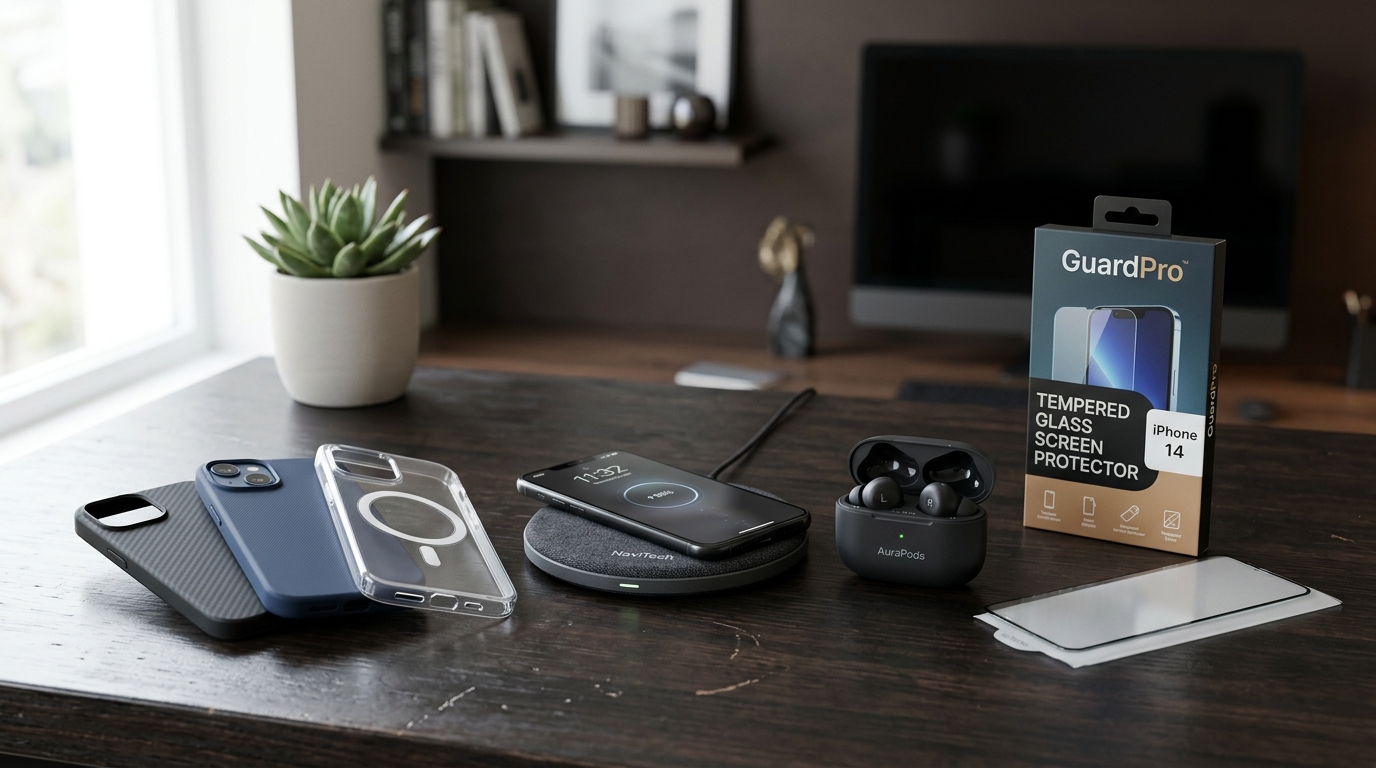
Niche: Accessories for the latest iPhone and Samsung models.
Speed Requirement: Product-market fit window is 6–12 months per phone model. Move fast.
Key Products: MagSafe accessories, cases, wireless chargers, camera lens protectors.
Marketing: YouTube tech review sponsorships, Google Shopping for high-intent buyers.
Free Dropshipping Business Plan Template
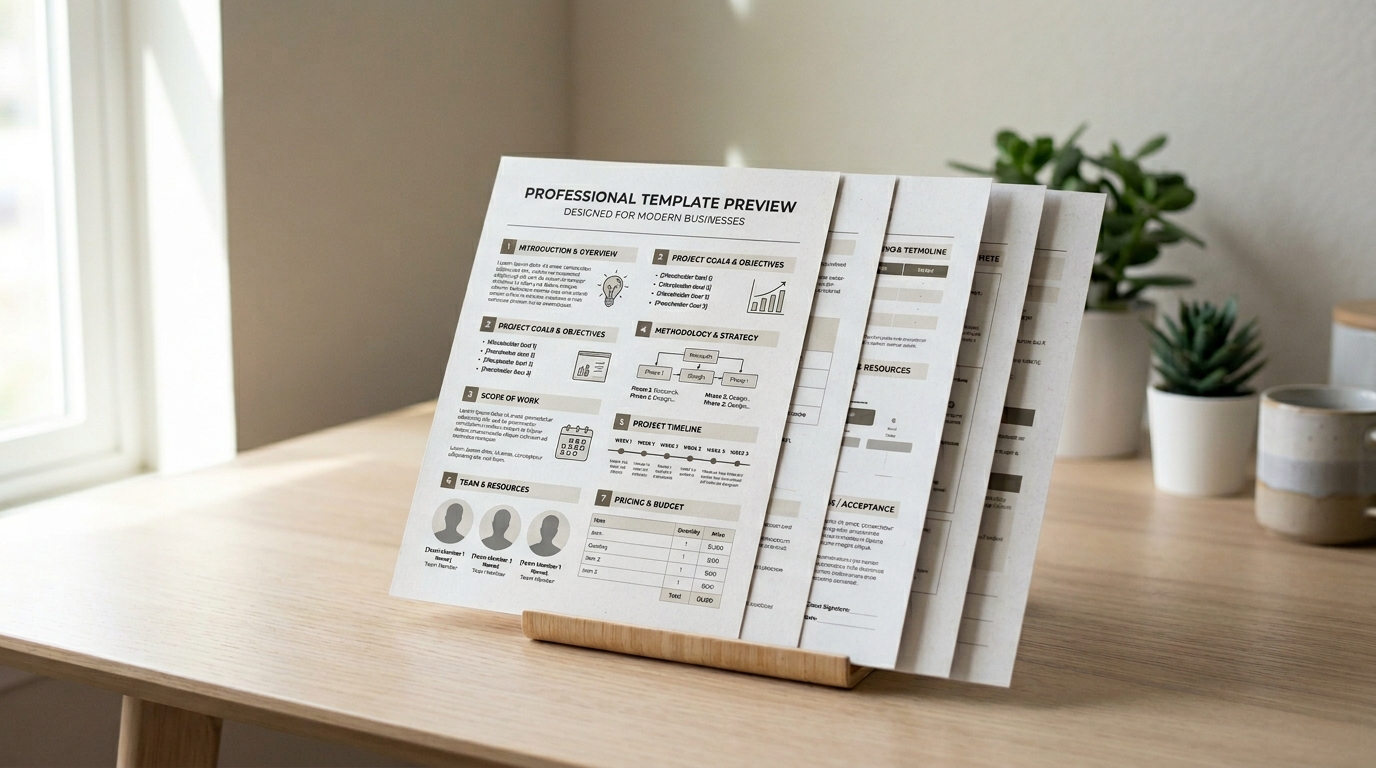
Copy and customize this template for your own store:
[YOUR BUSINESS NAME] — Dropshipping Business Plan
Date: [Month, Year]
Prepared by: [Your Name]
#### Section 1: Executive Summary
Business Name: [Name]
Website/Domain: [URL]
Business Model: Dropshipping via [primary platform — e.g., Shopify + USAdrop]
Niche: [Specific product category]
Target Market: [Customer profile — age, income, interests, location]
Mission Statement: [1–2 sentences on what you’re building and for whom]
Key Goals:
- 30-Day Goal: [Specific metric]
- 90-Day Goal: [Specific metric]
- 12-Month Goal: [Specific metric]
#### Section 2: Company Description
Legal Structure: [Sole Proprietorship / LLC / Partnership]
State of Incorporation: [State]
Launch Date: [Date]
What We Sell: [Brief description of your product catalog]
Who We Sell To: [Target customer description]
Why We’re Different: [Your unique value proposition — fast shipping, curated selection, brand identity]
#### Section 3: Market Analysis
Total Addressable Market (TAM): $[X] billion
Your Target Segment: [Specific slice of the market you’re going after]
Top 3 Competitors:
| Competitor | Strengths | Weaknesses |
|---|---|---|
| [Name] | [Strength] | [Weakness] |
| [Name] | [Strength] | [Weakness] |
| [Name] | [Strength] | [Weakness] |
Your Competitive Advantage: [Why customers will choose you]
Market Trends Supporting This Business:
- [Trend 1]
- [Trend 2]
- [Trend 3]
#### Section 4: Products & Suppliers
Primary Supplier: [Name — e.g., USAdrop]
Backup Supplier: [Name]
Fulfillment Method: [Supplier ships direct / 3PL / hybrid]
Average Shipping Time: [X] days
Product Catalog:
| Product | Cost | Retail Price | Gross Margin |
|---|---|---|---|
| [Product 1] | $[X] | $[X] | [X]% |
| [Product 2] | $[X] | $[X] | [X]% |
| [Product 3] | $[X] | $[X] | [X]% |
Average Order Value (AOV): $[X]
Target Gross Margin: [X]%
#### Section 5: Marketing Plan
Primary Traffic Channel: [TikTok organic / Facebook Ads / SEO / Pinterest]
Secondary Channel: [Channel]
Email Marketing: [Platform — e.g., Klaviyo / Mailchimp]
Month 1 Marketing Budget: $[X]
Content Calendar (Weekly):
- [Day]: [Content type and platform]
- [Day]: [Content type and platform]
- [Day]: [Content type and platform]
KPIs to Track:
- Website traffic
- Conversion rate
- Cost per acquisition (CPA)
- Return on ad spend (ROAS)
- Email list growth
#### Section 6: Operations Plan
Order Fulfillment Workflow:
1. Customer places order on [Shopify/WooCommerce]
2. Order auto-synced to [USAdrop] via integration
3. Supplier ships within [X] business days
4. Tracking number automatically sent to customer
Customer Service Tools: [Tidio / Gorgias / Gmail]
Response Time Target: Within [X] hours
Return/Refund Policy: [Summary]
Key Business Tools:
- Store Platform: [Shopify / WooCommerce]
- Fulfillment: [USAdrop]
- Email: [Klaviyo / Mailchimp]
- Analytics: [Google Analytics / Triple Whale]
- Design: [Canva]
#### Section 7: Financial Projections
Startup Costs:
| Item | Cost |
|---|---|
| Store platform (3 months) | $[X] |
| Domain name | $[X] |
| Product samples | $[X] |
| Initial ad budget | $[X] |
| Tools & apps | $[X] |
| Total | $[X] |
Monthly Revenue Projections:
| Month | Orders | AOV | Revenue | COGS | Gross Profit |
|---|---|---|---|---|---|
| 1 | [X] | $[X] | $[X] | $[X] | $[X] |
| 3 | [X] | $[X] | $[X] | $[X] | $[X] |
| 6 | [X] | $[X] | $[X] | $[X] | $[X] |
| 12 | [X] | $[X] | $[X] | $[X] | $[X] |
Break-Even Analysis:
Monthly Fixed Costs: $[X]
Gross Margin: [X]%
Break-Even Revenue: $[X]/month
Break-Even Orders: [X] orders/month
#### Section 8: Milestones & Goals
30-Day Milestones:
- [ ] Store live and tested
- [ ] First 5 organic social posts published
- [ ] First 3 orders received
90-Day Milestones:
- [ ] 50+ orders/month
- [ ] Email list of 200+ subscribers
- [ ] First profitable paid ad campaign
6-Month Milestones:
- [ ] $5,000/month revenue
- [ ] 1,000+ email subscribers
- [ ] 2nd product line added
12-Month Vision:
[Write 2–3 sentences describing where you want this business to be in one year. Make it specific and measurable.]
Key Takeaways: What Makes a Great Dropshipping Business Plan?
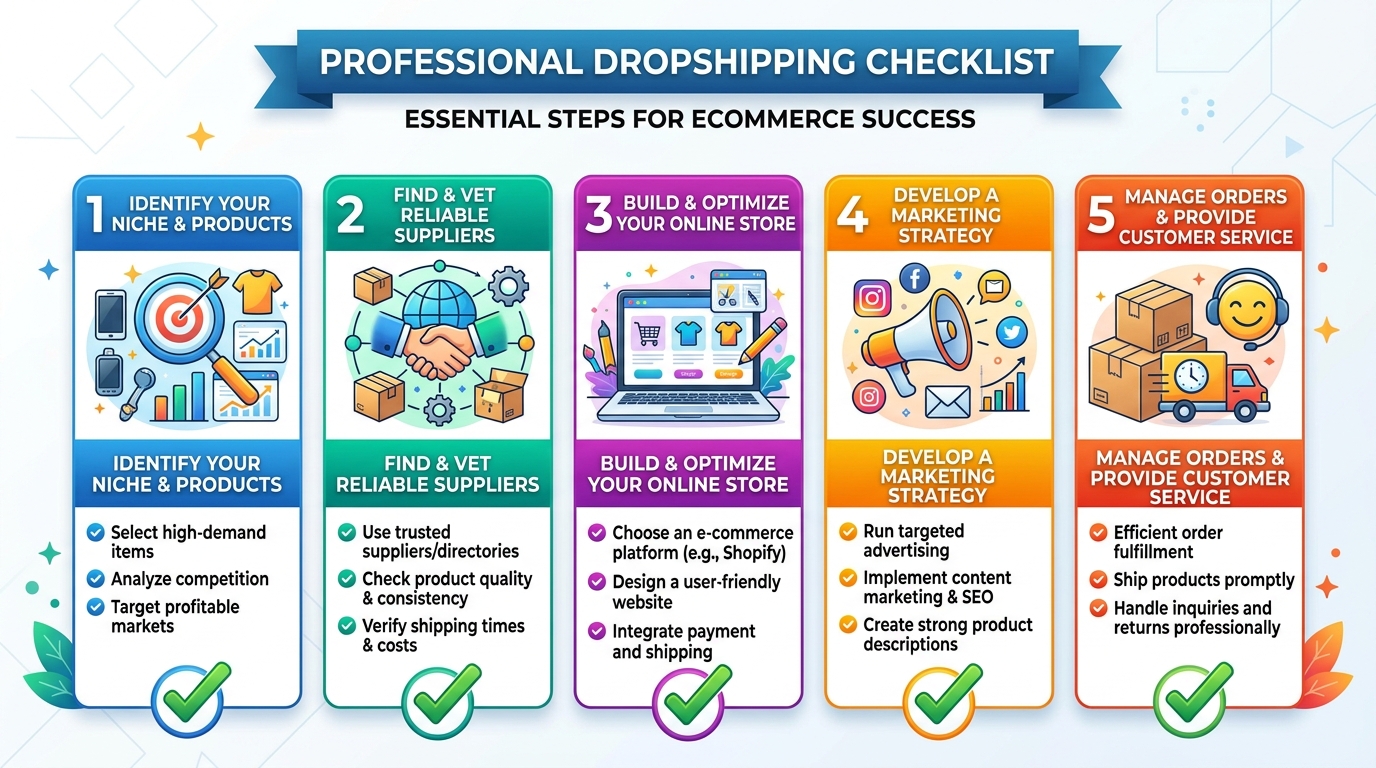
After reviewing all 20 examples, several patterns emerge in successful dropshipping business plans:
1. Specificity beats vagueness. “Target pet owners” is useless. “Target dog owners aged 25–40 in the US who spend $50+/month on pet accessories and follow pet Instagram accounts” is actionable.
2. Suppliers are strategy. Your fulfillment partner determines your shipping speed, return rate, and customer satisfaction. USAdrop’s US-warehouse model is a genuine competitive advantage for US-market sellers — build it into your plan explicitly.
3. Plan your first 90 days in detail, your year in broad strokes. Too many entrepreneurs plan 5 years ahead and have no idea what they’re doing tomorrow.
4. Financial projections should be conservative. Halve your optimistic revenue forecast, double your cost forecast. If the business still makes sense — proceed.
5. Build the plan to be used, not archived. Review your business plan monthly. Update your projections. Check your milestones. A business plan that lives in a drawer is worthless.
Start Building Your Plan Today
A business plan without a business is just a document. Use the free template above, pick one of the 20 examples closest to your niche, and start filling in the blanks.
The best time to write your dropshipping business plan is before you build your store. The second best time is right now.
Your next steps:
1. Download and customize the free template above
2. Complete Sections 1–3 today (the “thinking” sections)
3. Create your free USAdrop account to research products for Section 4
4. Complete the financial projections with real supplier costs from USAdrop
5. Set your 30-day milestones and put them somewhere visible
Your plan doesn’t have to be perfect to be useful. It just has to be honest.
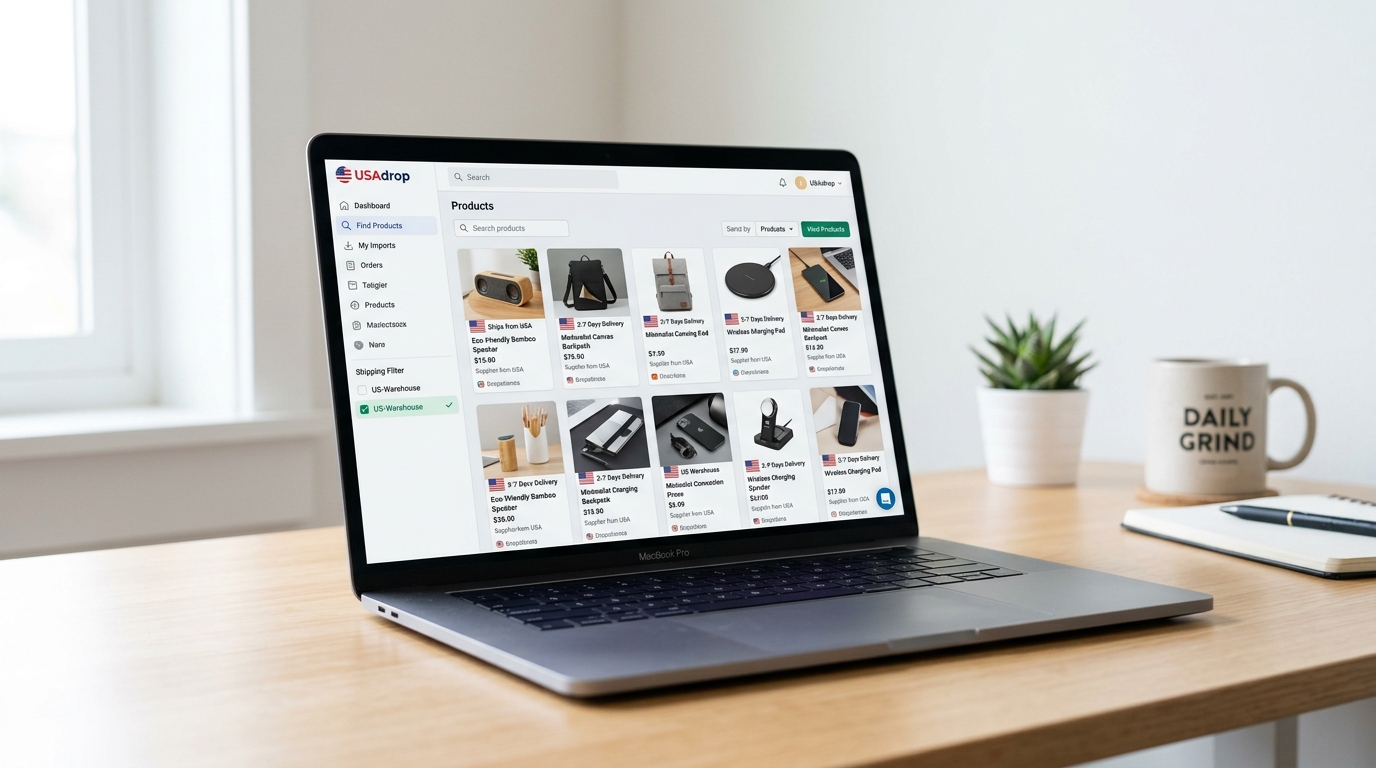
USAdrop helps dropshippers source reliable products from US-based warehouses — giving your business plan the fast shipping times and product quality that make financial projections achievable. Create your free account to start building.