Is dropshipping ethical? Yes — when done right. Like any business model, dropshipping itself is morally neutral. The ethics depend entirely on how you run your store: what you charge, how you communicate shipping times, whether you stand behind your products, and how you treat customers who need help. The people who give dropshipping a bad name aren’t following a flawed model — they’re making flawed choices within a perfectly legitimate one.
That distinction matters. Because right now, in 2026, roughly 27% of online retailers use some form of dropshipping fulfillment, according to Shopify’s industry data. That’s not a fringe hustle. That’s a quarter of ecommerce. And lumping every operator into one ethical bucket — good or bad — misses the point entirely.
So let’s get specific about what people actually mean when they question the ethics, and where the real lines are.
Common Ethical Concerns
Three complaints dominate the conversation around dropshipping ethics: inflated markups, slow shipping, and poor product quality. Each one deserves honest examination rather than blanket defense.
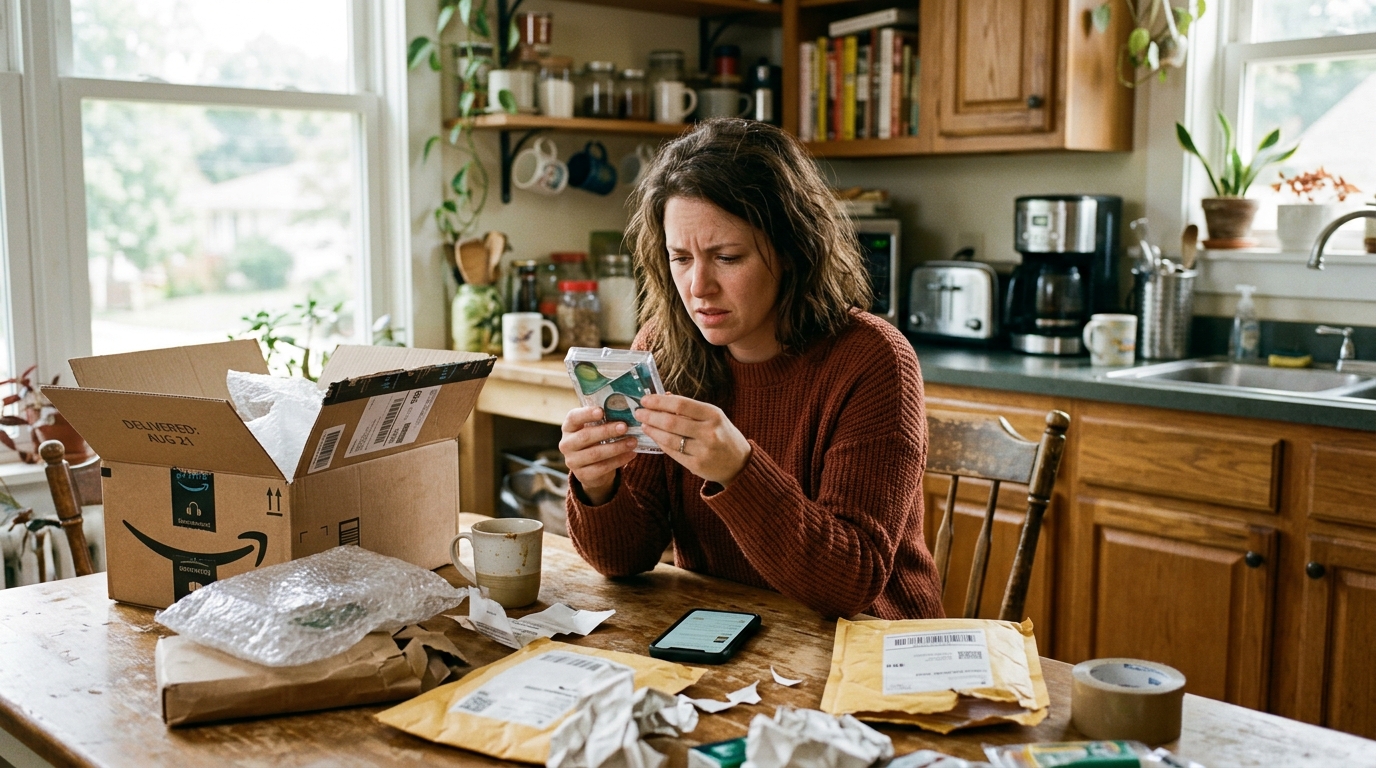
Markup transparency is the loudest criticism. Someone buys a phone case for $3 on AliExpress, lists it for $24.99, and a customer pays the difference thinking they’re getting something premium. Is that unethical? Here’s where it gets interesting. Every retail business marks up products. Target doesn’t pay $14.99 for that candle they sell you for $14.99. The markup covers marketing, customer service, return handling, website maintenance, payment processing fees — the whole infrastructure of making a product available and easy to buy. A 300% markup on a $3 item isn’t automatically predatory. A 300% markup on a $3 item with misleading product descriptions and fake reviews? That’s a different story.
The ethical line isn’t the margin. It’s the honesty.
Shipping times are the second big one. You order something expecting it in a few days. Two weeks pass. Three weeks. The tracking number shows your package bouncing between cities in Guangdong Province. This was a legitimate problem in the early days of cross-border dropshipping — and honestly, some sellers still operate this way. But it’s a choice, not an inevitability of the model.
Sellers who use domestic dropshipping suppliers with US-based warehouses can deliver in 3-5 business days. At USADROP, we operate 18 warehouses globally, including US facilities, specifically so our sellers’ customers aren’t stuck waiting three weeks for a $20 product. The infrastructure exists. Using it is an ethical decision.
Product quality rounds out the trio. Cheap products sold as premium ones. Items that look nothing like the listing photos. Sizing that’s wildly inconsistent. These are real problems — but again, they’re operator problems, not model problems. A dropshipper who orders samples before listing, who uses accurate photos, who writes honest descriptions? They’re operating no differently than any other retailer who doesn’t manufacture their own goods. (Which, by the way, is most retailers.)
| Ethical Concern | Unethical Practice | Ethical Practice |
|---|---|---|
| Pricing | Misleading quality claims to justify markup | Transparent value proposition, honest descriptions |
| Shipping | Hiding 15-30 day delivery times in fine print | Stating clear timelines, using domestic fulfillment |
| Quality | Using supplier photos without ordering samples | Testing products personally, showing real images |
| Returns | Making returns impossible or ignoring requests | Clear return policy, responsive customer service |
Why Middlemen Aren’t Villains
There’s a deeper philosophical objection some people raise: “You’re just a middleman. You don’t make anything. You don’t even touch the product.” The implication being that middlemen are inherently parasitic.
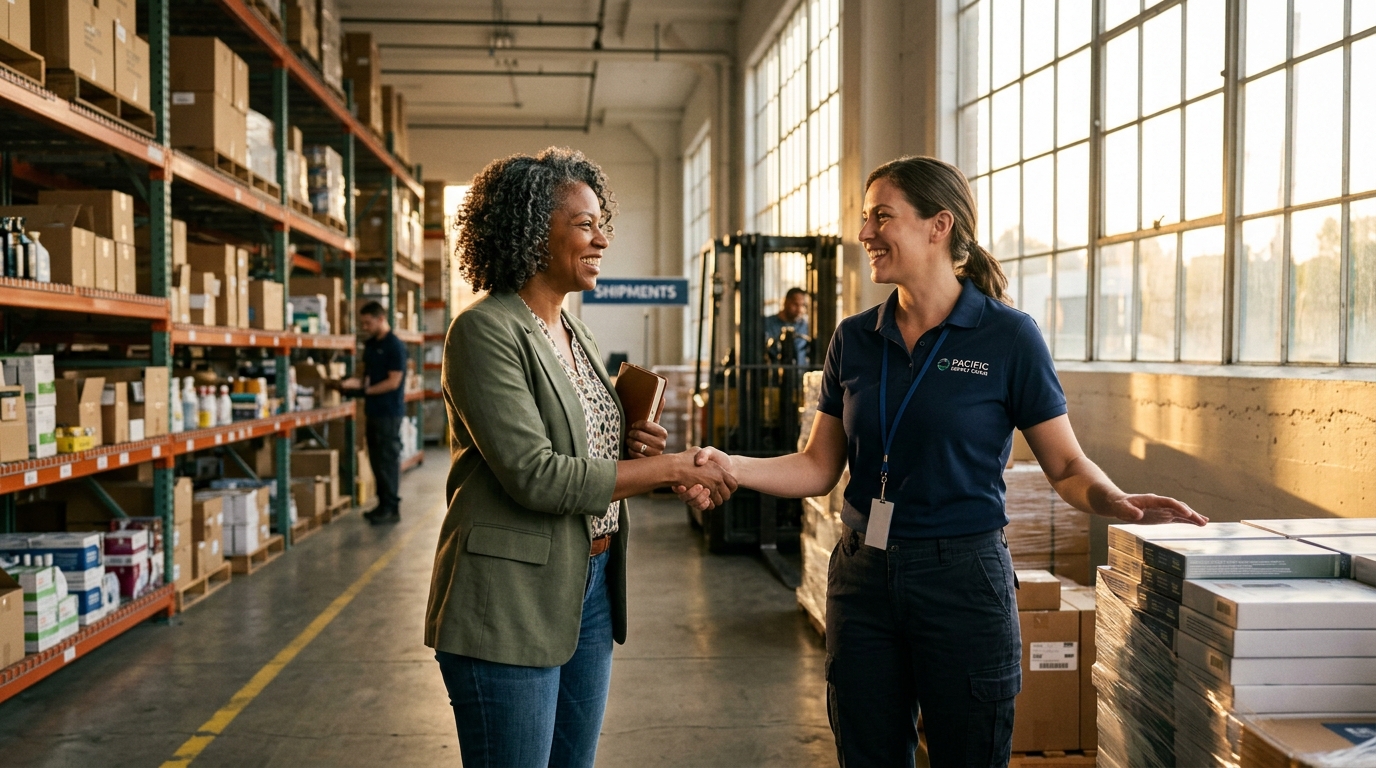
This argument falls apart in about four seconds if you think about how literally every supply chain works.
Your local grocery store doesn’t grow tomatoes. The bookstore didn’t write the novels. The electronics retailer didn’t design the laptop. Best Buy is a dropshipper with a building. (Okay, that’s an oversimplification — they hold inventory. But the principle holds: adding value doesn’t require manufacturing.)
Dropshippers add value through curation, marketing, customer experience, and convenience. A good dropshipping store finds products a specific audience wants, presents them clearly, gets them delivered reliably, and handles problems when they arise. That’s retail. It has been retail for centuries.
The question isn’t whether being a middleman is ethical. The question is whether you’re a good middleman — one who actually adds value and treats customers fairly.
Where this breaks down is when someone spins up a store in an afternoon, runs Facebook ads to a single product page with stolen lifestyle photos, charges $49.99 for something that costs $4 to ship from Shenzhen, offers no customer service email, and disappears when complaints roll in. That person isn’t a middleman. They’re a scammer who happens to use the dropshipping model as their vehicle.
If you’re learning how to add dropshipping products to Shopify for the first time, the technical setup is actually the easy part. The harder, more important work is building the operational practices that separate ethical operators from the ones giving the industry a bad reputation.
How Ethical Dropshippers Operate
Let’s get practical. What does an ethical dropshipping operation actually look like, day to day?

They test every product before listing it. Not some products. Every single one. You order a sample. You hold it. You photograph it yourself or verify that the supplier’s photos are accurate. At USADROP, we’ve processed over 80 million orders across 10+ years, and the sellers who last are the ones who refuse to list anything they haven’t personally inspected. The ones who list blindly from supplier catalogs tend to burn out within six months — buried under refund requests and one-star reviews.
They set accurate delivery expectations. Not “ships in 1-2 business days” when they mean “we’ll place the order with our supplier in 1-2 business days, and then it ships from China in 10-20 days.” Ethical operators either use domestic fulfillment to hit genuine 3-5 day windows, or they clearly state on the product page and at checkout exactly how long delivery takes. Some stores even build the longer shipping time into a brand story: “Handcrafted items shipped directly from artisan workshops — please allow 2-3 weeks for delivery.” Honest framing changes everything.
They have a real return policy and actually honor it. This sounds obvious. It isn’t. A Federal Trade Commission (FTC) report from 2024 found that unclear or misleading return policies remain one of the top consumer complaints in ecommerce. Ethical dropshippers post their return window, process returns promptly, and eat the cost when a product arrives damaged or wrong. That’s part of business. If your margins can’t absorb occasional returns, your margins are too thin.
They respond to customer inquiries within 24 hours. Preferably faster. Nothing signals “this is a fly-by-night operation” like a contact form that goes into a void. Even a simple “We’ve received your message and will get back to you within one business day” auto-reply sets a baseline of professionalism.
They don’t sell dangerous or counterfeit products. This seems like it shouldn’t need saying. It does. Some dropshippers sell knockoff branded goods, uncertified electronics, or supplements with unverified ingredients. Beyond being unethical, this is illegal in most jurisdictions. The fact that you didn’t manufacture the item doesn’t shield you from liability — you sold it.
Dropshipping vs. Traditional Retail
When people ask “is dropshipping ethical,” they’re often comparing it — consciously or not — to traditional retail. The assumption: brick-and-mortar stores or brands that hold their own inventory are inherently more ethical. Let’s pressure-test that.
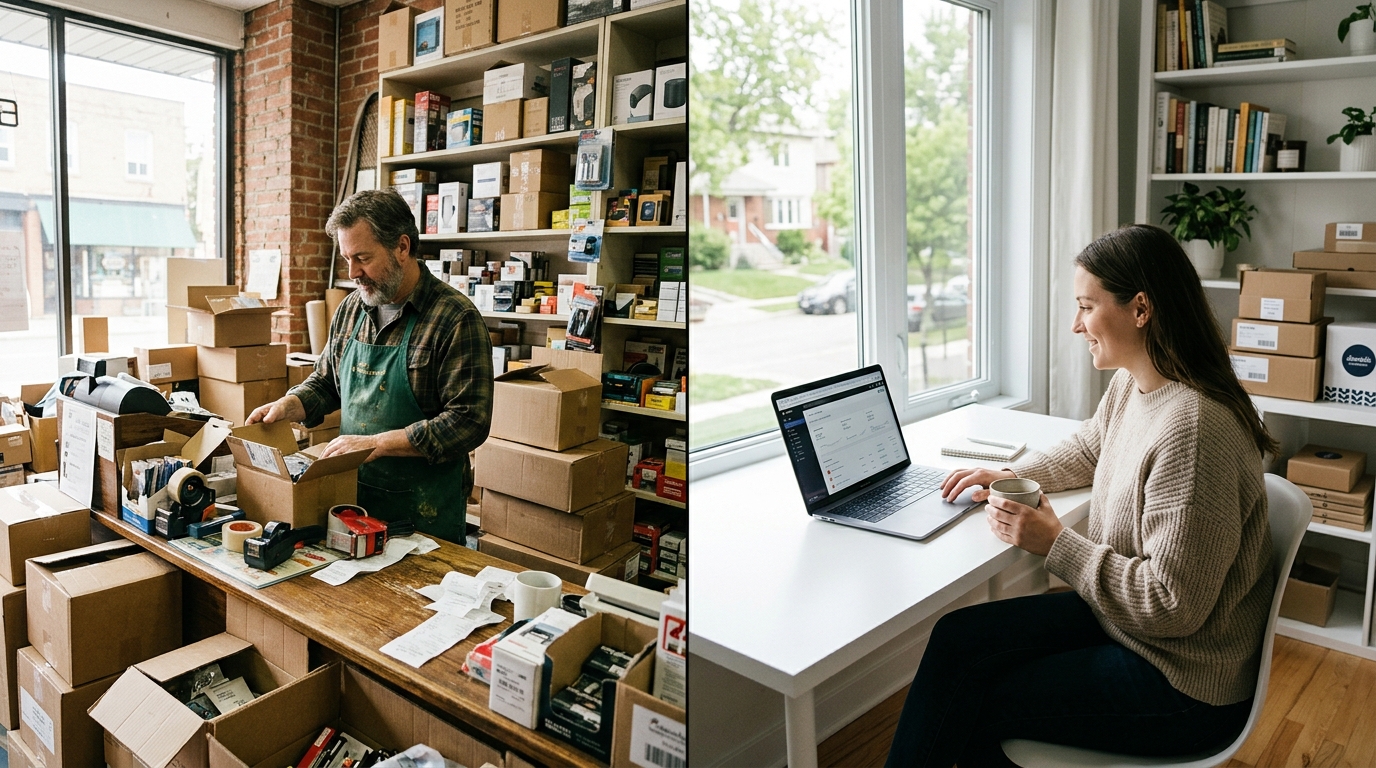
Fast fashion brands manufacture their own products. They also, in many documented cases, rely on exploitative labor practices in Bangladesh, Vietnam, and Cambodia. Holding inventory doesn’t make you ethical. Walmart holds inventory. Walmart has also paid billions in labor violation settlements. The Business of Fashion reported in 2025 that fewer than 5% of major fashion brands can verify living-wage compliance across their entire supply chain.
The point isn’t that traditional retail is bad. It’s that “ethical” isn’t determined by your fulfillment model. It’s determined by your decisions.
| Factor | Dropshipping | Traditional Retail |
|---|---|---|
| Inventory waste | Low — products made/shipped on demand | High — unsold stock often destroyed |
| Carbon footprint | Variable — depends on shipping distance | Variable — warehousing has its own footprint |
| Labor oversight | Depends on supplier vetting | Depends on supply chain auditing |
| Price transparency | Customer sees final price only | Customer sees final price only |
| Return handling | Operator-dependent | Operator-dependent |
One area where dropshipping actually has an ethical edge: waste reduction. Because products are typically shipped on demand rather than warehoused in bulk, there’s less overproduction. A 2023 report from the Ellen MacArthur Foundation estimated that 30% of all manufactured clothing is never sold. Dropshipping, by design, doesn’t contribute to that particular problem.
That said, individual package shipping (one item, one box, one delivery trip) does carry a higher per-unit carbon footprint than consolidated warehouse-to-customer shipping. Tradeoffs exist. Pretending they don’t isn’t honest analysis — it’s cheerleading.
Building an Ethical Store
Alright, you’re convinced that dropshipping can be ethical and you want to be on the right side of the line. Here’s what to prioritize, in order of impact.

Supplier vetting is everything. Your supplier is your silent business partner. Their quality standards become yours. Their shipping reliability becomes yours. Their labor practices become yours. You need to know: Where are products manufactured? What quality control processes exist? Can they provide compliance certifications for the markets you’re selling into? Working with established fulfillment partners that have track records — not random Alibaba listings with no reviews — is the single most impactful ethical decision you’ll make. We built USADROP’s network around 18 global warehouses and 8.66% lower pricing specifically because we watched too many sellers get burned by unreliable supply chains that made their stores look bad.
Write product descriptions you’d be comfortable reading as a customer. If you’d feel deceived reading your own listing, rewrite it. “Premium Italian leather” when the material is PU? That’s fraud, not marketing. “Faux leather with a premium feel” is perfectly fine — and honest. Customers appreciate transparency more than you’d think. A 2024 Edelman Trust Barometer survey found that 71% of consumers said they’d pay more for products from brands they trust. Trust is a margin multiplier.
Price fairly. You don’t need to apologize for making profit. But a 10x markup on a commodity product — with no added service, no fast shipping, no customer support infrastructure — is hard to defend. Most successful dropshippers we work with operate on 30-60% margins depending on the category. That leaves room for ad spend, returns, and actual profit while keeping the customer price reasonable.
Be reachable. Put a real email address on your site. Better yet, add live chat. Answer questions. Process refund requests without making customers jump through 14 hoops. This alone puts you ahead of roughly 60% of dropshipping stores, based on what we’ve observed across a decade of working with sellers.
Understanding what makes a legitimate dropshipping business means understanding that customer trust isn’t a nice-to-have. It’s the entire foundation. Without it, you’re spending more and more on acquisition to replace the customers who’ll never come back. With it, you get repeat buyers, organic word-of-mouth, and a store that actually compounds in value over time.
When Dropshipping Crosses the Line
Not everything gets a pass. Let’s be direct about practices that are genuinely unethical — not just “bad business” but actually harmful.
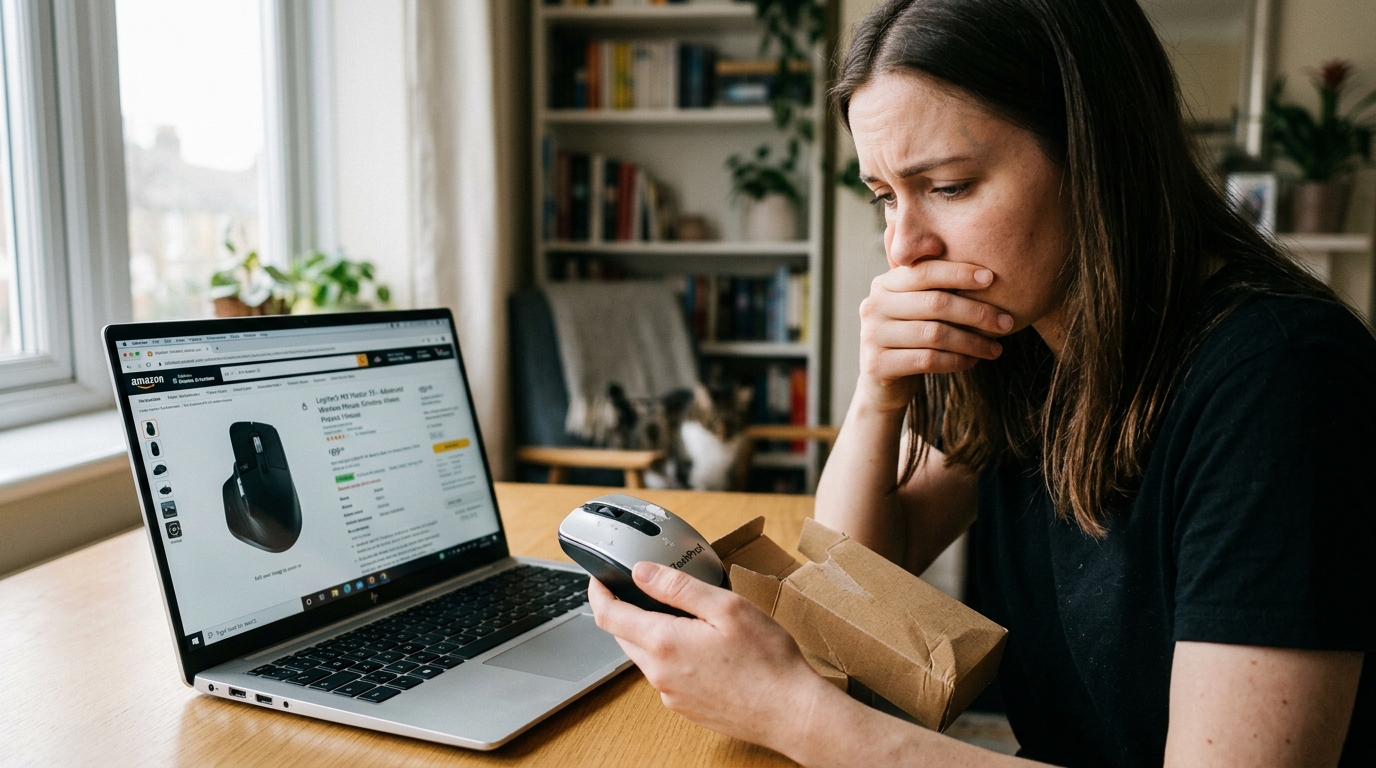
Selling counterfeit goods as authentic. Listing a watch as “Rolex” when it’s a $12 knockoff isn’t a gray area. It’s trademark infringement and consumer fraud. Same goes for any branded product you don’t have authorization to sell.
Hiding shipping origins when customers explicitly ask. If a customer emails asking “where does this ship from?” and you lie or dodge the question, that’s deception. You don’t have to put “SHIPS FROM CHINA” in your header, but you can’t tell someone their order ships from New York when it doesn’t.
Selling regulated products without compliance. Children’s toys without CPSC certification. Supplements without FDA-compliant labeling. Electronics without FCC certification. The fact that your supplier sent you a “certificate” doesn’t mean it’s legitimate. You’re the seller of record. The liability is yours.
Refusing all refunds on defective products. Some dropshippers write “ALL SALES FINAL” policies to avoid dealing with returns entirely. Beyond being unethical, this violates consumer protection laws in most US states and under FTC guidelines. If you sold someone a broken product, you owe them a resolution. Period.
Running fake scarcity or fake reviews. “Only 3 left in stock!” when you don’t hold inventory and the supplier has 50,000 units. Five-star reviews you wrote yourself or bought from a review farm. These tactics erode consumer trust across the entire ecommerce ecosystem, not just your store.
The common thread: these aren’t dropshipping problems. They’re dishonesty problems. Every one of these practices would be equally unethical in a traditional retail context. The dropshipping model just makes some of them easier to execute — which is why the ethical bar is partially about choosing not to do what’s easy.
FAQ
Is dropshipping legal in 2026?
Yes, dropshipping is legal in the United States, the EU, and most countries worldwide. You still need to comply with consumer protection laws, tax obligations, and product safety regulations like any other retail business.
Do customers know they’re buying from dropshippers?
Most customers don’t know and don’t care — they care about product quality, accurate descriptions, fair prices, and reliable delivery. You’re not obligated to disclose your fulfillment model, but you must be honest about shipping times and product details.
Can you make money dropshipping ethically?
Absolutely. Ethical practices like honest marketing, reliable shipping, and responsive customer service build repeat customers and reduce refund rates. Most USADROP sellers operating ethically see stronger long-term margins than sellers cutting corners.
What’s a fair markup for dropshipping?
Most successful dropshippers operate with 30-60% profit margins. The “fairness” depends less on the percentage and more on whether your pricing reflects genuine value: fast shipping, good customer service, accurate product representation.
How do I find ethical dropshipping suppliers?
Order samples before committing. Verify compliance certifications. Check for established track records (years in business, order volume, warehouse locations). Avoid suppliers who can’t answer basic questions about manufacturing conditions or quality control processes.
If you’re ready to build a dropshipping store you can actually be proud of, USADROP gives you the infrastructure to do it right. With 18 global warehouses, 8.66% lower pricing than industry average, and the ability to launch your store within 24 hours, we’ve spent over a decade helping sellers operate ethically at scale. Because the question was never whether dropshipping can be ethical. It was whether you’d choose to make it so.