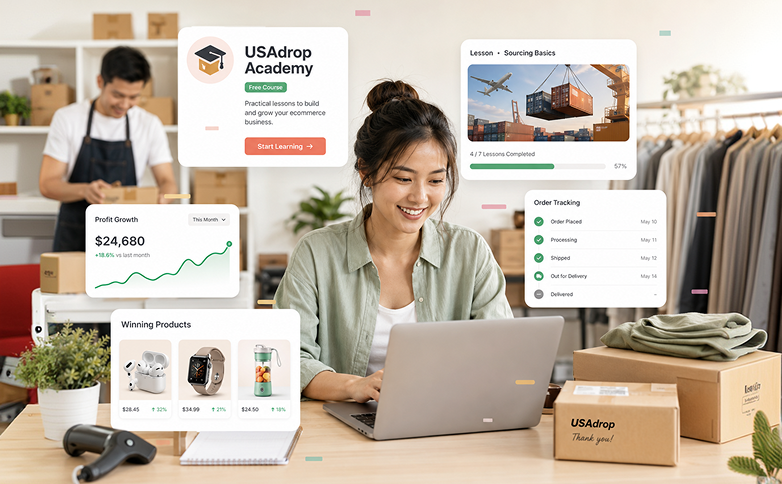
Want to run a high-margin apparel dropshipping store without getting squeezed by rising fulfillment costs? Partnering with the right supplier is one of the most critical decisions you’ll make for your brand. Top-tier providers like USAdrop, Trendsi, Contrado, Printful, and Printify help safeguard your margins through varied strengths—such as speedy domestic delivery, white-label branding options, or lower unit sourcing costs.
But remember: high margins are never guaranteed out of the box. Your actual profitability depends on managing hidden costs like shipping rates, refund buffers, and ad conversion costs against the retail prices your buyers will accept. Read on as we break down these top suppliers, and learn why ordering samples and running a landed-cost calculation first will save you from costly launching mistakes!
How We Ranked Apparel Dropshipping Suppliers
We compared apparel dropshipping suppliers by total order cost, sample quality, branding control, fulfillment reach, stock accuracy, and return exposure. A low shirt price can be a poor deal when slow delivery, inconsistent sizing, or replacement costs consume the difference.
| Supplier | Best for | Main margin lever | Main tradeoff |
|---|---|---|---|
| USAdrop | Flexible sourcing and private-label growth | Sourcing, quality checks, packaging, and fulfillment in one workflow | You need quotes and samples for the exact garment |
| Trendsi | US fashion boutiques | Domestic fashion catalog, branded invoices, and short return window | Best fit is fashion rather than fully custom apparel |
| Contrado | Premium custom collections | Made-to-order products and advertised base-price discounts | Premium base costs require clear brand positioning |
| Printful | Branded print-on-demand stores | White-label tools and centralized production support | Base cost plus shipping can tighten margins on basic items |
| Printify | Testing designs and providers | Provider-level price and location choice | Quality and delivery vary by print provider |
The shortlist also reflects the questions that rank well for this search: profitability, supplier reliability, branding, automation, sizing, and returns. Those themes appeared across Google’s current results, including supplier pages and Wix’s 2026 clothing dropshipping guide.
1. USAdrop: Best for Flexible Apparel Sourcing
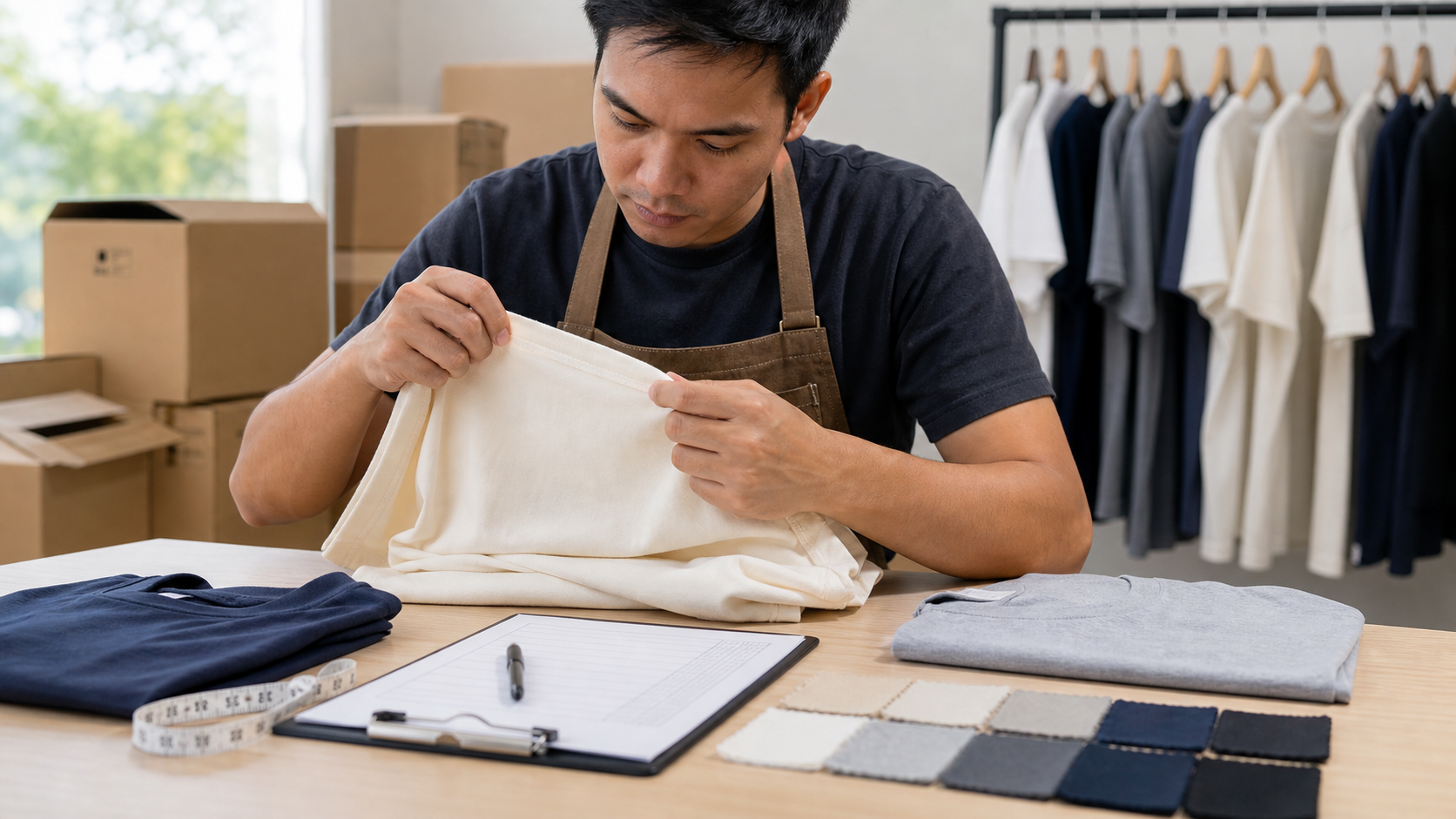
USAdrop’s sourcing service fits sellers who want more flexibility than a fixed fashion catalog offers. A seller can request a specific garment, compare a sourcing quote, order a sample, and connect fulfillment without holding stock. Custom packaging is available when a store is ready to move beyond generic parcels.
The margin advantage comes from managing more of the cost chain through one partner. Product sourcing, inspection, packing, and delivery decisions affect the same order, so problems are easier to trace. The company’s published approach to product quality checks is especially relevant for apparel, where seam strength, fabric feel, color accuracy, and size measurements can decide whether an order becomes a return.
This option is less instant than clicking “import” from a ready-made catalog. Ask for fabric composition, size tolerances, packaging weight, destination-specific shipping quotes, and photos of the sample. Then test two sizes, not one.
Best for: Stores moving from product testing toward sourced, branded apparel with closer quality oversight.
2. Trendsi: Best for US Fashion Boutiques
Trendsi is built around fashion retail rather than general merchandise. Its official dropshipping page advertises US shipping in two to five business days for eligible items, branded invoices, and a seven-day free return policy. That mix can help a boutique reduce delivery complaints while presenting a more consistent store identity.
Trendsi makes the most sense when speed and fresh fashion styles matter more than designing a garment from scratch. Recommended retail prices can help with early pricing, but treat them as a starting point. Your audience, ad cost, and discount strategy still decide the final margin.
Check which warehouse holds each SKU, whether all variants share the same delivery estimate, and how the return window fits your storefront policy. A customer-facing dropshipping return policy should never promise more than the supplier process can support.
Best for: US-focused women’s fashion boutiques that value catalog speed and domestic fulfillment.
3. Contrado: Best for Premium Custom Apparel
Contrado focuses on made-to-order custom clothing and fashion products. Its official pages advertise a minimum 20% base-price discount for dropshippers, with discounts scaling to 40% for some products and quantities. Those figures describe supplier pricing, not guaranteed net profit after marketing, shipping, tax, and returns.
Contrado works when the design itself supports a premium selling price. An original all-over print dress or cut-and-sew piece has more room for differentiation than another generic graphic tee. Production is made to order, which removes inventory risk but raises the importance of sample approval and accurate product photos.
The weak fit is a price-led store. If shoppers compare only the lowest ticket price, a premium production base can leave little room for acquisition costs. Read the branding and production terms for each product, then order the exact fabric and print method you plan to sell.
Best for: Designers and boutique brands selling distinctive custom apparel at premium prices.
4. Printful: Best for Branded POD
Printful is a print-on-demand supplier with apparel, store integrations, and white-label options. Sellers can start without buying inventory, then add features such as inside labels, packing-slip messages, and branded inserts where supported. Printful’s pricing page also states that manufacturing errors qualify for a free reprint or refund.
The main margin lever is brand value, not merely the blank garment price. A clear niche, strong artwork, and cohesive packaging can justify a higher retail price. This is the same logic behind private-label dropshipping: customers pay for a recognizable offer, not an anonymous item they can find in dozens of stores.
Run a profit check on each size and destination because shipping can change the economics of a low-priced shirt. Samples also reveal print placement, color, and garment feel before paid traffic reaches the listing.
Best for: Creators who want centralized POD fulfillment and practical brand-building tools.
5. Printify: Best for Cost Testing
Printify connects sellers with a network of print providers rather than one production source. Its official pages list more than 1,300 products, and provider pages show differences in base price, location, production method, and shipping. This lets a seller compare economics before committing a design to one route.
Choice creates the margin opportunity and the operational risk. The cheapest provider may ship from the wrong region or produce a sample that doesn’t match your quality bar. Printify’s own help center advises that a local print provider can reduce shipping cost and delivery time.
Order the same design from two providers. Compare fabric weight, print finish, packaging, and tracking speed, then keep a backup provider for the winning garment. Once volume grows, a 3PL dropshipping setup may make sense for stocked bestsellers, while POD remains useful for design testing.
Best for: Sellers who want to test products, locations, and provider costs before scaling.
Apparel Dropshipping Suppliers FAQ
What margin is good for apparel dropshipping?
There is no universal target. Calculate gross margin after product cost, shipping, fees, and expected returns, then confirm enough remains for ads and overhead.
Which supplier works without inventory?
All five can support inventory-light selling. Printful, Printify, and Contrado produce on demand, while USAdrop and Trendsi can fulfill customer orders without the retailer stocking products.
How do apparel returns affect profit?
Returns add reverse shipping, replacement, support, and lost-ad costs. Accurate garment measurements, fit photos, fabric details, and supplier samples reduce avoidable returns.
Can I private-label dropshipped clothing?
Some suppliers support labels, inserts, custom packaging, or fully sourced garments. Availability, cost, minimums, and lead times depend on the product and production method.
Compare two samples with the full margin formula. For sourced apparel, inspection, branding, and fulfillment in one workflow, send USAdrop your garment brief and target market before choosing a catalog.