If you’re asking when did dropshipping start, the short answer is: long before ecommerce, with the online version taking shape in the late 1990s and 2000s. The model grew out of mail-order catalog retail, then changed fast once Amazon, eBay, Shopify, AliExpress, payment tools, and global fulfillment networks made remote selling easier for small operators.
When Dropshipping Started
So, when did dropshipping start? As a retail practice, it dates back to mail-order catalogs and wholesale fulfillment in the late 19th and early 20th centuries. As an online business model, it gained real traction in the late 1990s and became widely accessible in the 2000s through marketplaces, ecommerce software, payment tools, and cross-border suppliers.

There isn’t one founder of dropshipping. No single company flipped a switch and invented it. Older sources often wrote it as “drop shipping,” and the basic idea was simple: the seller takes the order, while another party stores and ships the product.
| Era | What changed | Why it mattered |
|---|---|---|
| 1870s-1900s | Mail-order catalogs reached buyers far from stores | Customers got used to buying without touching the product first |
| 1960s-1980s | Retailers adopted computerized inventory and order systems | Orders could move through supply chains faster |
| 1995-1999 | Amazon and eBay trained buyers to shop online | Small sellers could reach national demand |
| 2006-2010 | Shopify and AliExpress lowered setup friction | Independent stores could source and sell faster |
| 2020-2026 | Faster fulfillment, social commerce, and policy shifts raised buyer expectations | Supplier quality became harder to ignore |
For that reason, choosing a dropshipping supplier is more of an operations decision than a product-hunting shortcut. The store may be digital, but the buyer still judges the order by shipping speed, tracking accuracy, packaging, and refund handling.
Catalog Roots
Montgomery Ward launched its mail-order catalog business in 1872. Sears followed in the late 1880s. These companies weren’t modern dropshipping stores, but they proved the first half of the model: customers would pay a remote seller and wait for delivery.
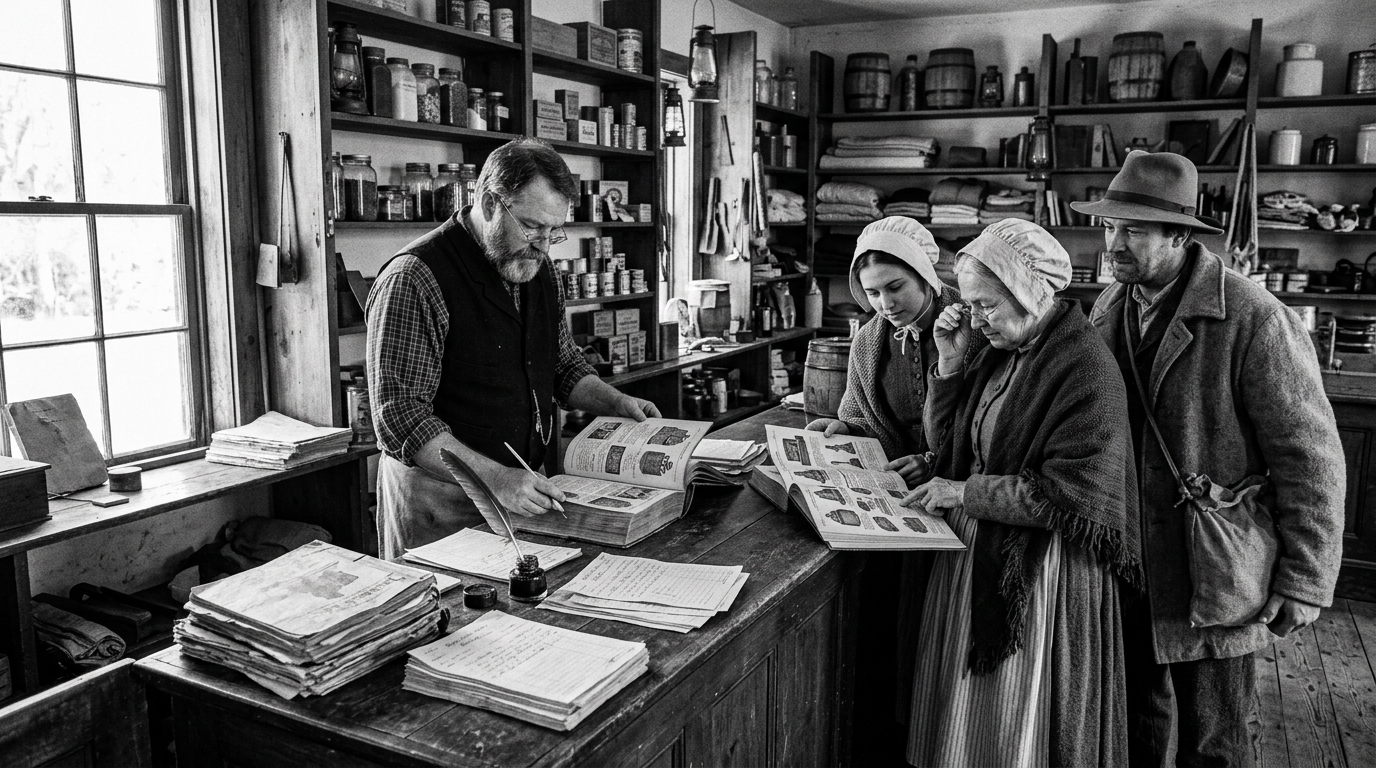
The difference matters. Classic catalog retailers often owned inventory in central warehouses. Dropshipping separates the sale from inventory ownership. You run the storefront and customer promise; the supplier or fulfillment partner handles the stock and shipment.
> Quick distinction: mail order showed that remote buying could work. Dropshipping added a second split: the seller owns the customer relationship, while another party owns or controls the product flow.
The legal duties followed that history too. The Federal Trade Commission’s prompt delivery rules say sellers need a reasonable basis for shipping promises and must offer delay notices or refunds when they can’t ship on time. That rule applies whether you’re a catalog merchant from 1975 or a Shopify seller in 2026.
Internet Dropshipping Took Off
The internet changed the speed of testing. In the catalog era, a bad product bet meant printing costs, mail costs, and unsold inventory. In the eBay and early Amazon era, a seller could list a product, watch demand, and adjust the offer in days.

Then came hosted storefronts. Shopify launched in 2006, and app-based store building gave solo sellers tools that used to require a developer. AliExpress launched in 2010 and made overseas supplier discovery easy. That brought opportunity, but also the classic 2010s dropshipping problem: cheap products, long shipping times, and inconsistent quality.
A modern dropshipping platform now has to do more than pass orders to a supplier. It needs sourcing, pricing, order routing, tracking, and fulfillment support in one workflow, because the old “copy a product and hope” model breaks the moment customers ask where their order is.
What changed from the 2000s to now?
- Store setup moved from technical work to checklist work.
- Product discovery moved from wholesale directories to social feeds and marketplace data.
- Shipping expectations moved from “please allow 2-4 weeks” to trackable delivery windows.
- Competition moved from other stores to Amazon, TikTok Shop, Temu, Walmart Marketplace, and brand-owned sites.
Before you test a product, this how much money do you need to start dropshipping budget breakdown is a better planning tool than a random profit calculator. The old history tells you where the model came from. Your startup budget tells you whether the first test can survive ad costs, samples, returns, and supplier mistakes.
Dropshipping’s 2020s Reset
The 2020s forced dropshipping to grow up. Buyers compare every store to Amazon, even when the store is a two-person brand selling from a spare bedroom. They expect tracking. They expect clear returns. They expect the product photo to match the package.
Ecommerce also got bigger. The U.S. Census Bureau reported U.S. retail ecommerce sales of $326.7 billion in Q1 2026, equal to 16.9% of total retail sales. That growth brought more buyers, more tools, and tougher competition.
The reset is practical:
- Faster shipping beats the lowest product cost when customers are impatient.
- Branded packaging helps when you’re building repeat purchase, but it can slow early tests.
- U.S. and regional warehouse options reduce delivery risk, though they may limit product range.
- Trade rules, de minimis changes, and tariffs can turn a profitable product into a weak offer if landed cost isn’t checked.
For policy and channel shifts, our dropshipping news updates are worth watching before you commit to a supplier, product category, or ad channel. A seller in 2016 could ignore a lot of this. A seller in 2026 can’t.
Modern Dropshipping Playbook
The best modern version of dropshipping is closer to lean retail than passive income. You test demand before buying inventory, but you still need real product judgment. That means ordering samples, checking shipping routes, reading return reasons, and killing weak products early.

This advice doesn’t apply equally to every category. Generic phone cases, pet toys, and kitchen tools can be tested quickly. Oversized furniture, lithium batteries, ingestible products, skincare with medical claims, and high-return fashion need extra compliance checks, better supplier contracts, or a different fulfillment setup.
Use this tighter filter before launching:
- Can the product be explained in one short video or product page?
- Can the customer receive it within a delivery window you can defend?
- Is there enough margin after product cost, shipping, payment fees, returns, and ads?
- Can you get a sample that matches the listing photos?
- Would you still sell it if paid ads cost 25% more next month?
If you’re still learning the mechanics, a practical how to start dropshipping guide can help with store setup and first product testing. Just don’t skip the supplier work. That is where most beginners lose money quietly.
FAQ
Is dropshipping older than ecommerce?
Yes. Dropshipping’s roots go back to catalog retail and wholesale fulfillment, long before online stores existed. Ecommerce made the model easier to access, but the idea of selling remotely while another party ships the product is much older.
Did Amazon start as dropshipping?
Amazon launched as an online bookstore in 1995 and used distributor and publisher relationships to offer wide selection. It wasn’t the modern app-based dropshipping model, but it proved that online selection could beat the limits of shelf space.
When did online dropshipping begin?
Online dropshipping began gaining traction in the late 1990s as Amazon, eBay, and early ecommerce tools made remote selling practical. It became much easier for everyday sellers in the 2000s and 2010s with Shopify, supplier apps, and AliExpress.
Is dropshipping still legal?
Yes, dropshipping is legal when sellers follow advertising, tax, import, delivery, and refund rules. In the United States, the Federal Trade Commission expects sellers to make shipping promises they can support and refund customers when required.
What changed most for sellers?
Customer expectations changed the most. In 2026, a dropshipping seller needs trackable shipping, cleaner product quality, clear returns, and better supplier control; low product cost alone isn’t enough to keep buyers happy.
USADROP helps sellers build the modern version of dropshipping with 10+ years in fulfillment, 80M+ orders processed, 18 global warehouses, lower pricing, and launch support in 24 hours. Start with one product, confirm landed cost, order a sample, then test demand before scaling.