Most people picture cardboard boxes and warehouse receipts when they hear “dropshipping.” But there’s a version of this business model that involves zero physical inventory, zero shipping logistics, and zero fulfillment delays — because the product itself never needs to leave a server. Digital dropshipping is one of the fastest-growing segments of online commerce, and for entrepreneurs who want high margins, instant delivery, and a globally scalable business, it’s worth understanding deeply. This guide breaks down exactly what digital dropshipping is, how it works, and how it stacks up against the traditional model.
What Is Digital Dropshipping?
Digital dropshipping is a business model where you sell digital products — such as ebooks, software, online courses, templates, stock photos, or music — that are created and delivered by a third-party supplier. Like physical dropshipping, you list and sell the product without owning or creating it. Unlike physical dropshipping, delivery is instant and automated: when a customer pays, they receive a download link or access credentials immediately, with no warehouse involved.
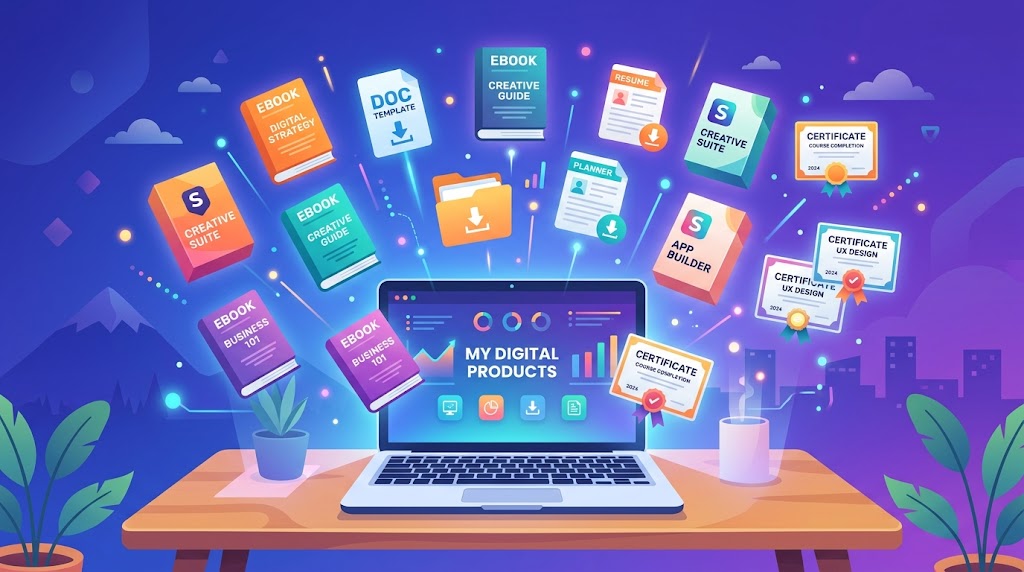
The core mechanic is the same as any dropshipping model: you act as the storefront and marketer, while the supplier handles the product. The defining difference is the nature of the product itself. A digital file can be duplicated and delivered infinitely at near-zero marginal cost — which means every additional sale adds almost pure profit once your store and marketing are set up.
This model appeals especially to sellers who want a lean, location-independent business. There’s no picking and packing, no customs delays, no inventory risk from unsold stock. A single digital product listed on your store can sell to a buyer in Austin and another in Singapore simultaneously, with no operational difference between those two transactions.
How Does Digital Dropshipping Work?
The mechanics of digital dropshipping follow a clean three-step flow, though the setup details vary depending on which platform and supplier type you use.
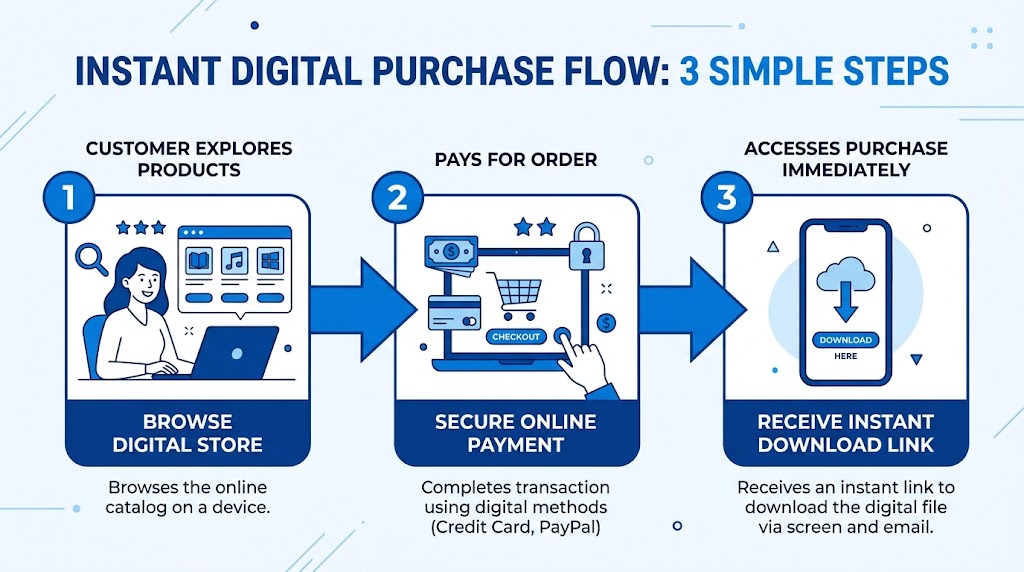
Step 1 — Find a digital product supplier or licensor. Your first job is to source digital products you have the right to resell. This can mean partnering with creators who offer reseller licenses, using white-label digital product platforms, joining affiliate programs where the payout is effectively a margin on each sale, or purchasing private label rights (PLR) content that you can brand and sell as your own. The supplier — whether a platform, creator, or content marketplace — handles product creation and update maintenance.
Step 2 — List and sell through your storefront. You set up an e-commerce store (Shopify, WooCommerce, or a dedicated digital product platform like Gumroad or SendOwl), write compelling product pages, set your retail price above the license or wholesale cost, and drive traffic through SEO, social media, or paid ads. Your store collects payment from buyers.
Step 3 — Automated delivery. When a sale is made, the platform automatically delivers the digital product to the customer — typically via a download link or access email. If you’re using a white-label or reseller platform, the delivery is often handled entirely on their infrastructure. You receive your margin; the customer gets instant access. No fulfillment action required from you.
The automation aspect is what makes digital dropshipping genuinely scalable. A well-optimized store can process hundreds of orders a day without any manual intervention on the fulfillment side.
Types of Digital Products You Can Dropship
Not all digital products are equally suited to a dropshipping model. The best candidates have broad evergreen demand, are easy to deliver automatically, and carry resale licenses that allow third-party distribution.
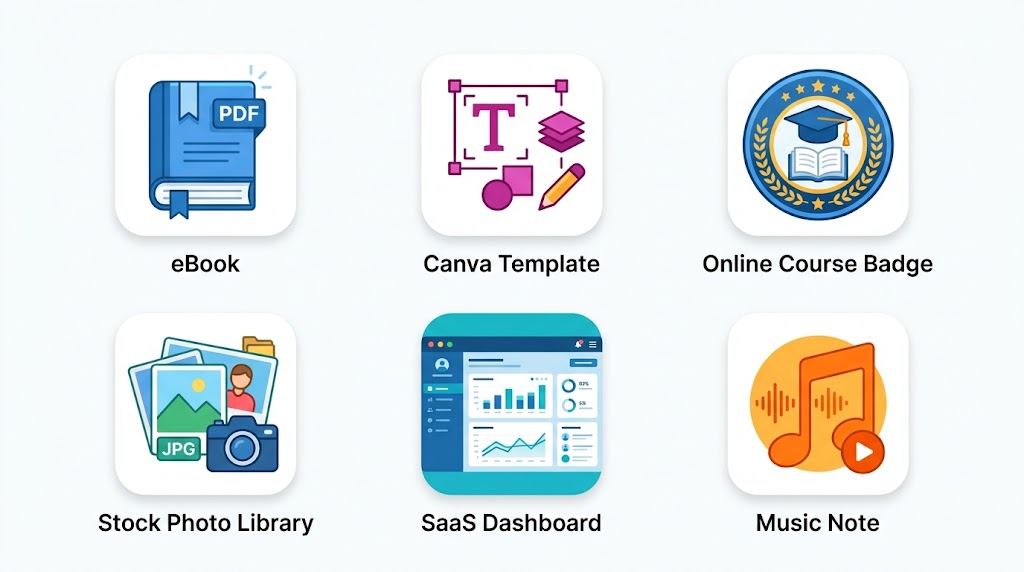
The most common categories in digital dropshipping include:
- Ebooks and guides — PLR ebooks on topics like personal finance, fitness, marketing, and cooking are widely available for resale. Margins are high; production costs are absorbed by the original creator.
- Software and SaaS tools — Reseller programs from SaaS companies let you sell software licenses or subscriptions at your own price point. Some white-label platforms let you brand software as your own.
- Online courses and training — Course platforms sometimes offer affiliate or reseller arrangements, especially in the business and skill development niches.
- Design templates and assets — Canva templates, PowerPoint decks, logo kits, and social media templates have active markets. These are often sold under commercial licenses that permit resale.
- Stock media — Curated collections of stock photos, music tracks, or video footage are bundled and sold to content creators who need licensed assets.
- Printable planners and worksheets — Digital downloads sold via Etsy or Shopify, typically under PLR licenses, serve the productivity and education markets.
The most durable digital dropshipping businesses focus on a specific audience segment — freelancers, small business owners, educators, or a hobby community — and build a catalog of tools and resources that serve that niche specifically.
Digital Dropshipping vs Traditional Dropshipping
Understanding the tradeoffs between digital and physical dropshipping helps you decide which model fits your goals — or whether a hybrid approach makes sense.
| Digital Dropshipping | Traditional Dropshipping | |
|---|---|---|
| Inventory risk | None | None |
| Fulfillment time | Instant (automated) | 3–30+ days |
| Shipping cost | $0 | $3–$30+ per order |
| Returns/chargebacks | Low (no physical damage) | Higher (damaged goods, wrong items) |
| Product margin | 70–95% typical | 15–40% typical |
| Scalability | Unlimited (no logistics ceiling) | Constrained by supplier capacity |
| Competition | Medium (niche-dependent) | Very high in many categories |
| Customer service complexity | Low–medium | Medium–high |
The margin advantage of digital dropshipping is significant. A $39 ebook sold at $5 wholesale cost delivers an 87% gross margin. In physical dropshipping, hitting 30% on a $25 product requires careful supplier negotiation. That said, traditional dropshipping has a broader product universe and tends to capture higher absolute revenue per transaction on premium physical goods. Many successful sellers run both: digital products for high-margin passive income, physical products for volume and upsell opportunities.
For context on the physical side of the equation, the guide on profitable dropshipping niches covers where the strongest physical product opportunities are in 2026.
Best Platforms for Digital Dropshipping
Your choice of platform determines how easy delivery automation is, how professional your storefront looks, and what payment and tax infrastructure you inherit.
Shopify is the dominant choice for digital dropshippers who want full brand control. With apps like SendOwl, FetchApp, or Sky Pilot, Shopify stores can deliver digital downloads automatically on purchase. The downside is that you’re responsible for setting up the automation correctly and handling VAT compliance in some markets.
Gumroad and Payhip are lighter-weight alternatives that handle payment, delivery, and basic tax collection out of the box. They charge a percentage of each sale rather than a monthly subscription, making them appealing for new sellers testing the model. The tradeoff is less branding control and fewer customization options than a full Shopify build.
WooCommerce with WooCommerce Digital Downloads is the self-hosted option — full control, zero platform fees beyond hosting, but requires more technical setup and maintenance.
Etsy deserves a mention for design templates, printables, and craft-adjacent digital products. Etsy’s built-in search audience means organic discovery is possible without heavy ad spend, though Etsy takes a meaningful cut per transaction and owns the customer relationship.
The right choice depends on your technical comfort level, budget, and whether you want to own the full customer relationship from day one. If you’re serious about building a scalable brand, Shopify with proper delivery automation is the standard recommendation among experienced dropshipping operators.
How to Start a Digital Dropshipping Business
Starting is more straightforward than most people expect. Here’s the practical sequence:
1. Choose your niche and audience. Digital products sell best when they solve a specific problem for a defined audience. “Business templates for freelance designers” converts better than “digital templates.” Research what your target audience regularly buys and what frustrations they have that a digital product could solve.
2. Source products with resale rights. Look for PLR marketplaces (IDPLR, Master Resell Rights), SaaS reseller programs, or creators who offer white-label licenses. Verify that the license explicitly permits resale and sets no geographic restrictions on your market. Always read the license terms before listing.
3. Set up your store. Choose a platform, pick a clean theme that signals trust and professionalism, and write product pages that focus on outcomes, not just features. What does the buyer achieve after purchasing? Lead with that.
4. Price for margin and perceived value. Digital products are often under-priced by new sellers who anchor to the wholesale cost. Your price should reflect the value the buyer receives, not your acquisition cost. A $5 Canva template that saves a small business owner three hours of work is worth $29 — price accordingly.
5. Drive traffic and test. Start with SEO and organic social (Pinterest is particularly effective for visual digital products). Once you have conversion data, layer in paid traffic. Email capture from day one is critical — a buyer list compounds in value as your catalog grows.
For a broader foundation before you launch, reviewing how to start dropshipping covers the core business setup steps that apply whether your products are digital or physical.
FAQ
FAQ: Is digital dropshipping profitable?
Yes — digital dropshipping typically offers 70–95% gross margins because there are no production, warehousing, or shipping costs per sale. Profitability depends on traffic acquisition cost vs. average order value. Sellers who build organic search or social audiences often achieve very high net margins once initial setup costs are recovered.
FAQ: Do I need to create the digital products myself?
No. The “dropshipping” aspect means you’re reselling or licensing products created by others. PLR content, white-label software, and reseller programs all provide ready-made digital products you can sell under your own store and sometimes your own brand.
FAQ: Is digital dropshipping legal?
Yes, as long as you have the correct license to resell the product. Always verify the license terms before listing any digital product. Selling copyrighted content without a license is infringement — this is the primary legal risk in digital dropshipping and is entirely avoidable by sourcing products from legitimate PLR and reseller channels.
FAQ: What’s the difference between digital dropshipping and affiliate marketing?
In affiliate marketing, you earn a commission when you refer a customer to another brand’s site — you don’t own the customer relationship or the transaction. In digital dropshipping, the customer buys from your store at your price; you pay the supplier their wholesale/license fee separately. You own the customer data, set your own prices, and control the brand experience.
FAQ: Can I do digital dropshipping alongside physical dropshipping?
Absolutely. Many e-commerce businesses run both. Digital products can serve as upsells, bundles, or standalone revenue streams alongside a physical catalog. For example, a fitness equipment store might dropship physical products and also sell digital workout programs — the digital sale requires zero fulfillment effort and adds margin to every customer acquisition.
Digital dropshipping is a high-margin, low-friction model that rewards sellers who invest in finding the right niche and building a legitimate resale catalog. But the most resilient e-commerce businesses typically combine digital income streams with a physical fulfillment operation that can handle volume at scale. USADROP’s platform gives you the physical side of that equation — 18 global warehouses, 80M+ orders of fulfillment experience, and 8.66% lower pricing than comparable services — so your physical dropshipping operation runs as smoothly as your digital one. Whether you’re starting with digital products or scaling a hybrid store, USADROP is built to handle the fulfillment side so you can focus on growth.