In today’s digital age, the e-commerce industry is booming, attracting more and more entrepreneurs to take the plunge. However, entrepreneurs often face tough decisions when it comes to choosing the right e-commerce model for them. In this paper, we will take an in-depth look at four major e-commerce models: Wholesale, Retail Arbitrage, Private Label, and Dropshipping, and comprehensively compare and analyze them using SWOT analysis, in order to help entrepreneurs better understand their respective strengths, weaknesses, opportunities, and challenges, and thus provide guidance and insights for their entrepreneurial journey.
Wholesale mode
● Costco: Costco operates on a wholesale model where customers pay for memberships to access wholesale prices on various products ranging from groceries to electronics.
● Alibaba: While primarily a platform connecting wholesalers and retailers, Alibaba itself operates on a wholesale model by selling products in bulk to businesses.

Advantage:
● Cost advantage: low cost from bulk purchasing allows for higher profit margins.
● Inventory control: Having your own inventory allows for better control of product supply and quality.
● Price Stability: Long-term contracts allow for stable prices and supply.
Disadvantages:
● Capital pressure: large amounts of capital are invested in purchasing and storing inventory, which increases capital pressure.
● Inventory Risk: Inventory backlogs and outdated products can lead to wasted and lost funds.
● Sales pressure: need to sell products on their own, requiring more time and effort.
Opportunities:
● Brand partnerships: expanding product lines and market share by partnering with well-known brands.
● Diversification: operating multiple product categories at the same time to meet different customer needs.
● Offline expansion: expand sales channels by opening physical stores or distributor networks.
Challenges:
● Market competition: the wholesale market is highly competitive and requires continuous improvement of service quality and competitiveness.
● Supply chain management: Need to establish solid cooperative relationships with multiple suppliers to ensure the stability of product supply.
● Cost control: need to continuously optimize the cost structure to improve profitability and competitiveness.
Retail Arbitrage Model
● Amazon FBA (Fulfillment by Amazon) Sellers: Many sellers on Amazon utilize a retail arbitrage model where they purchase products from retail stores at a lower price and then resell them on Amazon at a higher price.
● eBay Sellers: Similar to Amazon FBA sellers, eBay sellers often engage in retail arbitrage by purchasing items from retail stores or online marketplaces at discounted prices and selling them at a markup on eBay.

Advantage:
● Low risk: no need for large amounts of capital to purchase inventory, reducing capital risk.
● High profitability: Higher profits can be achieved by buying and selling products between different sales channels.
● Market flexibility: product sources and sales channels can be flexibly adjusted according to market demand and price fluctuations.
Disadvantages:
● Price volatility: product prices may fluctuate between different sales channels, affecting profits.
● Fierce competition: low barrier to entry, many competitors, profit margins are constantly squeezed.
● Lack of brand influence: reliance on price differences rather than brand advantages makes it difficult to build a loyal customer base.
Opportunities:
● Product diversity: choose a variety of products to arbitrage and expand sales.
● Market research: discover more arbitrage opportunities through market research and analysis to increase profitability.
● E-commerce platform: utilize the convenience and coverage of e-commerce platform to expand sales channels.
Challenges:
● Price regulation: may face restrictions and regulation on price differences by manufacturers or platforms.
● Quality control: Dependent on supplier’s product quality, quality issues may affect reputation and customer satisfaction.
● Legal risks: cross-border arbitrage may involve laws, regulations and intellectual property issues that need to be handled carefully.
Private label model
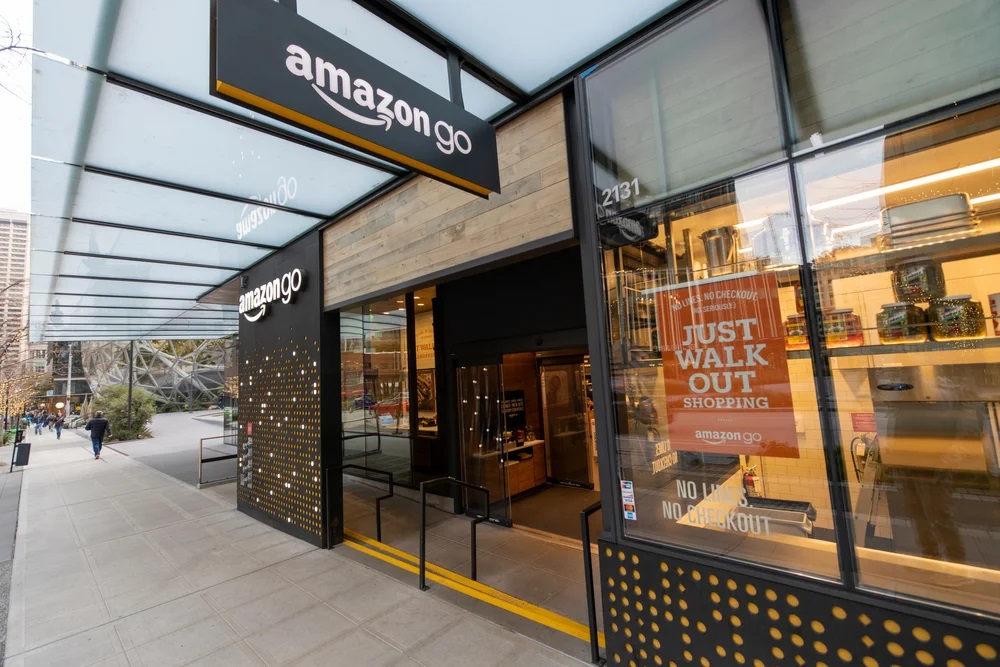
● Amazon Private Label Brands: Amazon has its own private label brands where they manufacture products and sell them under their own brand names. Examples include AmazonBasics (electronics and home goods) and Amazon Essentials (clothing).
● Trader Joe’s: While not strictly an example of private labeling, Trader Joe’s is known for its unique product offerings under its own brand. Many of these products are sourced from various manufacturers but sold exclusively under the Trader Joe’s label.
Advantage:
● Brand building: establishing a unique brand image and reputation through private labeling enhances market competitiveness.
● Higher profit margins: owning private label brands allows for higher profit margins and enhanced profitability.
● Market control: better control of product quality, pricing and sales channels to increase market share.
Disadvantages:
● High cost: investing a large amount of money in product development, production and brand promotion increases start-up costs.
● Long time cycle: brand building and accumulation of market recognition takes a long time and requires patience.
● Market risk: the risk of market competition and changes in consumer preferences, requiring constant innovation and adjustment of strategies.
Opportunities:
● Brand positioning: accurately position the target market according to market demand and consumer group positioning.
● Brand extension: expand product lines through brand extension and diversification to increase market share.
● Direct sales: enhance brand image and customer relationship by direct sales through own brand website or offline stores.
Challenges:
● Market competition: the private label market is highly competitive and needs to compete with other well-known brands for market share.
● Brand promotion: Brand building and promotion requires a lot of resources and time, and effective marketing strategies and promotion plans need to be developed.
● Supply chain management: Establish a solid supply chain management system to ensure product quality and supply stability.
By analyzing the SWOT of the four major e-commerce models, namely Wholesale, Retail Arbitrage, Private Label and Dropshipping, we can see that each model has its unique advantages and disadvantages. Entrepreneurs should carefully evaluate the pros and cons of each model according to their own situation and market environment, develop appropriate business strategies, and continuously optimize their business model to meet challenges and achieve long-term development. Regardless of which model you choose, the key to success is to keep learning and adapting to market changes to find the right path for your business.
Dropshipping:
Among the many e-commerce models, Dropshipping, a highly favored business model, has a number of unique advantages that make it a preferred choice for entrepreneurs to consider.
Low Risk:
Dropshipping model eliminates the need to invest heavily in purchasing and storing inventory, thus reducing the financial pressure and risk for entrepreneurs. Instead of worrying about the risk of inventory buildup and outdated products, entrepreneurs can focus more on sales and marketing.
No Inventory Management:
Unlike the traditional wholesale model, the Dropshipping model does not require entrepreneurs to worry about inventory management and order processing. All inventory management and distribution is handled by the supplier, allowing the entrepreneur to focus on business and marketing.
Flexibility:
The Dropshipping model allows entrepreneurs to flexibly adjust product categories and quantities according to market demand, quickly adapting to market changes. At the same time, entrepreneurs can sell their products globally without being limited to a specific geographic region.
Fast time to market:
Compared to private labeling, Dropshipping eliminates the need to invest large amounts of money and time in product development and manufacturing. Entrepreneurs can quickly go live and test the market, thus generating revenue and feedback faster.
Global Market:
The Dropshipping model allows entrepreneurs to sell their products globally without having to think about international logistics and cross-border trade. This opens up a wider market space and opportunities for entrepreneurs.
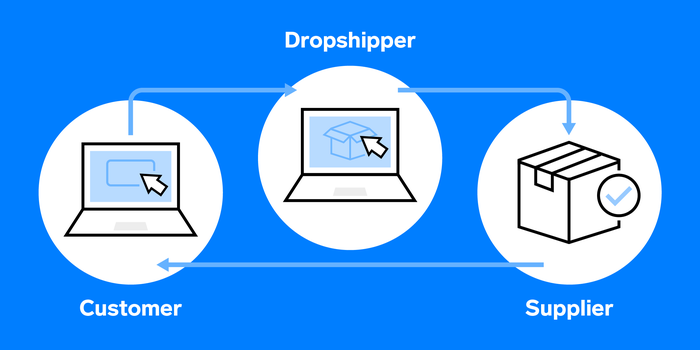
To summarize, Dropshipping, as a low-risk, low-cost, and highly flexible business model, provides entrepreneurs with the opportunity to enter the market quickly. By utilizing the Dropshipping model, entrepreneurs can focus more on sales and marketing without worrying about inventory management and capital risk, thus making it easier to achieve business success.
Why USAdrop?
Product Sourcing
USAdrop connected with 2000+ vetted factories, USAdrop can help you source and fulfill white-label and private label products, without MOQ or wholesale.
Global Fulfillment Centers
Our warehouses are strategically located so that you can get your products to your customers more quickly and affordably by shipping from any of our ecommerce fulfillment centers. Split your inventory across locations, and we’ll automatically select the warehouse that gives you the quickest turnaround at the best price.
Dropshipping Fulfillment
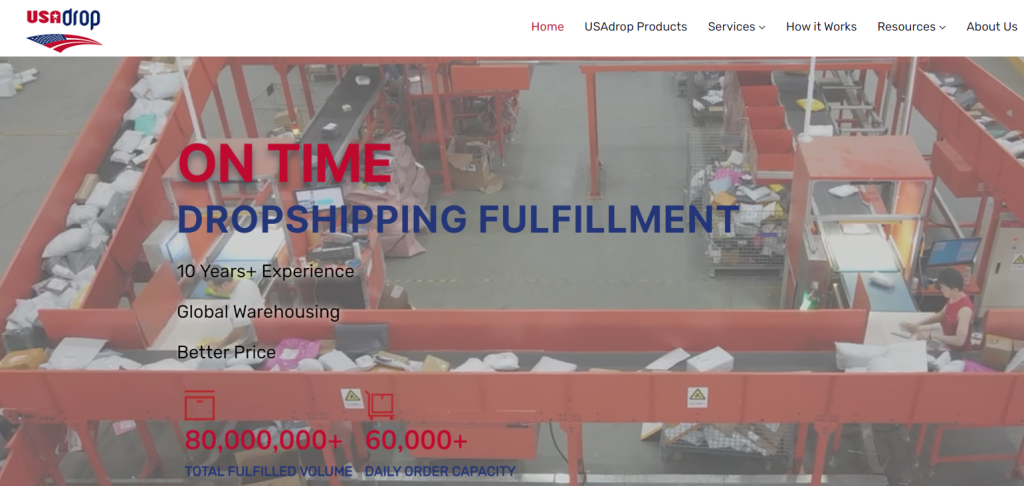
Once your customer places an order, we take care of the rest. You can easily fulfill up unlimited orders per click. USAdrop will purchase, pick-and-pack, and shipping them out with express delivery.
Customization & Private Label
By offering Customization and Private Label services, we can help you establish a strong brand identity and a loyal customer base, while also differentiating yourself from your competitors. Our team of experts is dedicated to helping you succeed, and we are committed to delivering the highest quality products and services to meet your needs.