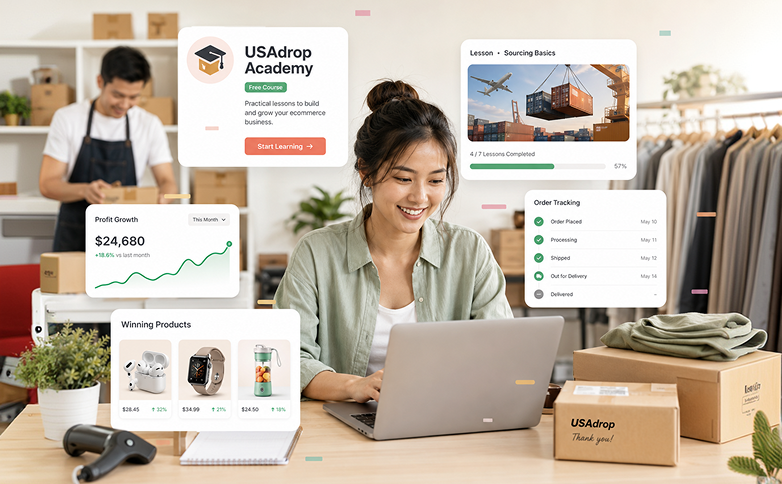
The dream of the digital apparel mogul used to be simple: find a trending hoodie on a wholesale site, run some Facebook ads, and watch the orders roll in. But if you’ve been in the game for more than a minute, you know that the “Wild West” era of generic dropshipping is fading.
Today the market is flooded with fast fashion options, and consumers have become incredibly discerning. They don’t just want a piece of clothing; they want a brand they can trust. If you’re still focused on just “selling clothes,” you’re competing on price alone — a race to the bottom that ends in thin margins and high ad costs.
To survive and thrive in 2026, you must transition from a transactional seller to a Direct-to-Consumer (DTC) brand. This shift isn’t just about a logo; it’s about a commitment to quality, identity, and a seamless customer journey.
1. Why Selling Clothes Is No Longer Enough
The cross-border fashion landscape has fundamentally shifted. With the rise of giants like Shein and Temu, generic apparel has become a commodity.
Consumers are no longer impressed by low prices if it means waiting weeks for a product that looks nothing like the photos, arrives wrinkled, and loses shape after one wash.
Winning in today’s global market requires brand building, not price wars.
DTC apparel brands are winning because they offer a clear story, a recognizable aesthetic, and a consistent promise of quality.
They aren’t just selling fabric — they are selling a lifestyle and a standard.
How USAdrop Helps:
To make this transition, you need more than a supplier — you need a strategic partner.
USAdrop provides a complete infrastructure, from sourcing and quality control to global warehousing and branded fulfillment, allowing small sellers to operate like established DTC brands from day one.
2. Selling Clothes vs. Building a DTC Apparel Brand
The difference between a “clothing seller” and an “apparel brand” is the difference between a one-time transaction and a long-term relationship.
Transactional models focus on single sales, use generic packaging, and provide no post-purchase experience.
Relationship-driven brands focus on Customer Lifetime Value (CLV), own their customer data, build email lists, and create emotional connections.
By building a DTC brand, you own the customer relationship.
You’re no longer dependent on marketplace algorithms — you’re building a community that trusts you.
3. Why Quality Is the Foundation of Any Apparel Brand
In fashion, quality is your most powerful marketing tool.
Consumers define quality through four core pillars:
Fabric feel
Fit accuracy
Durability
Consistency
If a customer orders a Medium and it fits like an Extra Small, they won’t just return it — they won’t come back. With apparel return rates averaging 20–30%, poor quality quietly destroys profit.
The USAdrop Edge:
Quality control is non-negotiable.
USAdrop conducts rigorous pre-shipment inspections, checking stitching, fabric, sizing, and finishing details.
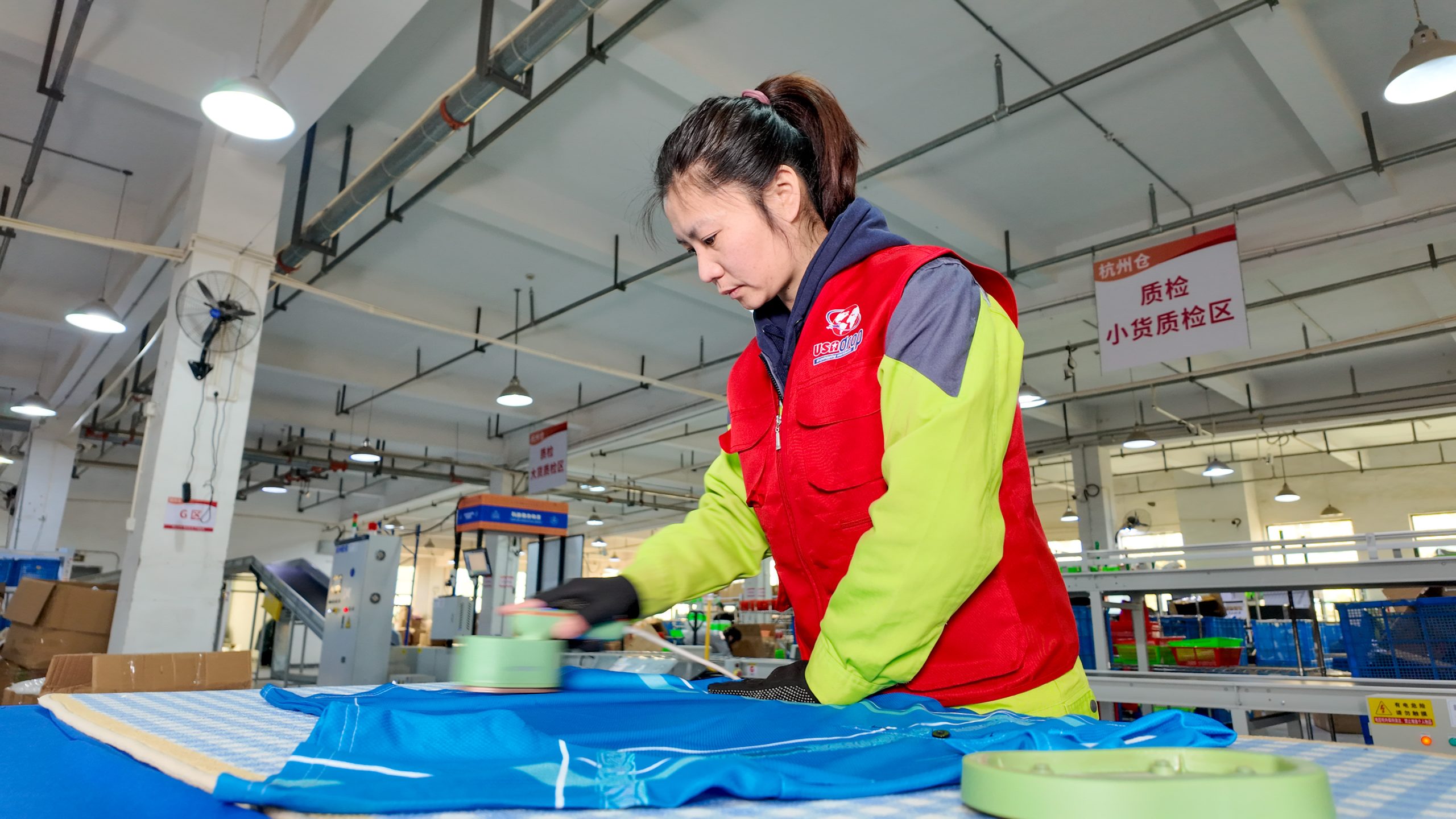
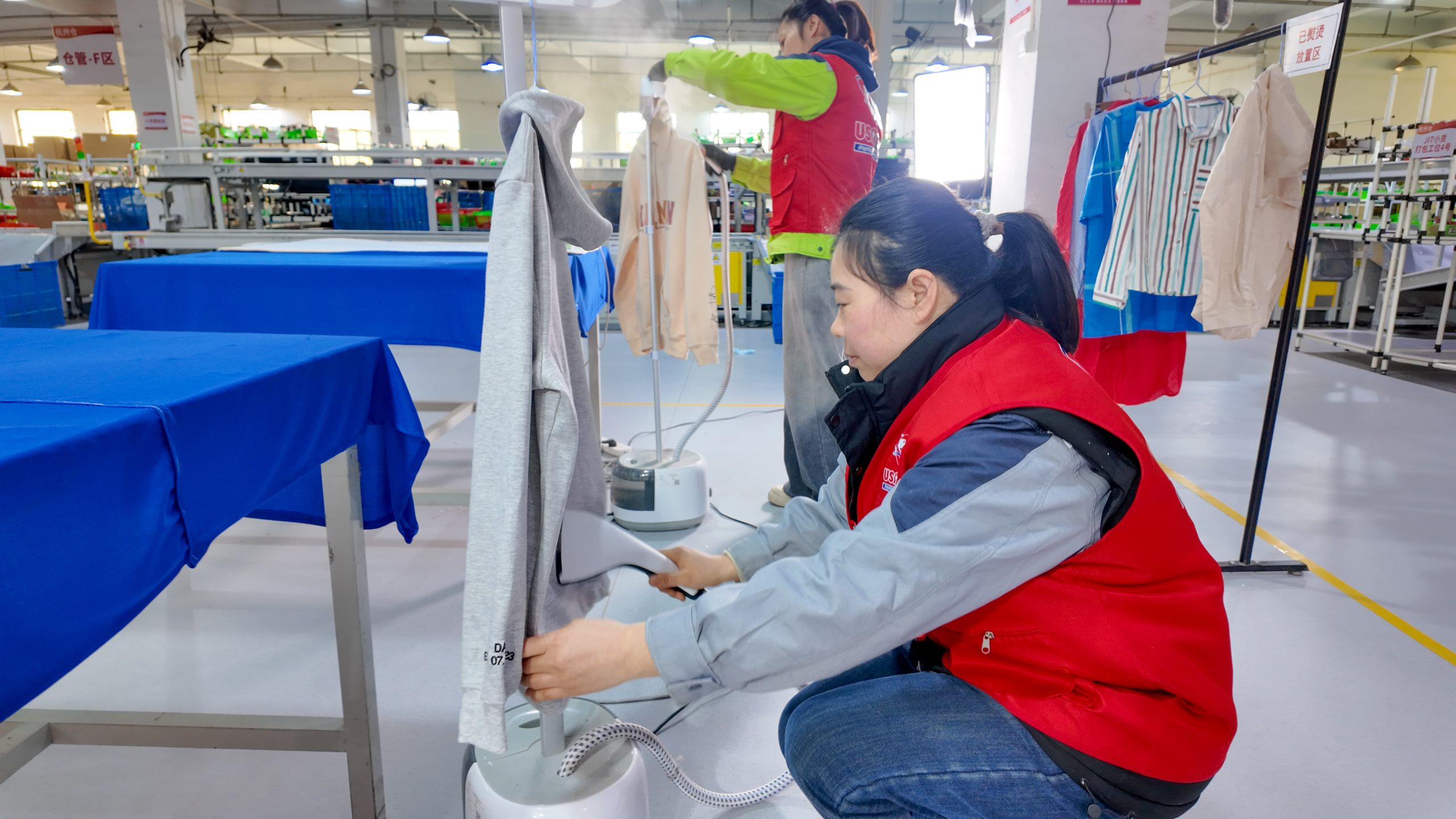
In addition, USAdrop provides professional garment steaming and ironing services before shipment, ensuring every item arrives clean, smooth, and presentation-ready, not wrinkled or factory-folded. This improves first impressions, reduces complaints, and protects brand reputation.

4. DTC Apparel Brands: Why Direct-to-Consumer Matters
The DTC model gives brands pricing power. When customers believe in a brand, they’re willing to pay a premium.
It also gives you full control over the customer experience — from product presentation to delivery.
You’re not just a name on a shipping label; you’re the curator of your customer’s style.
This control is essential for brands that want to distance themselves from the “cheap dropshipping” stereotype
5. POD Apparel: A Smart Starting Point for Brand Testing
For many founders, Print-on-Demand (POD) is the ideal entry point.
Pros:
Zero upfront inventory
Unlimited design testing
Cons:
Higher unit costs
Limited control over blank garment quality
POD is perfect for testing design concepts, slogans, and graphics before committing to production.
Streamlined Testing with USAdrop:
USAdrop’s POD services allow sellers to test designs with zero risk, guaranteed print quality, and production only after a sale is made.
6. From POD to Production: Scaling Quality Apparel
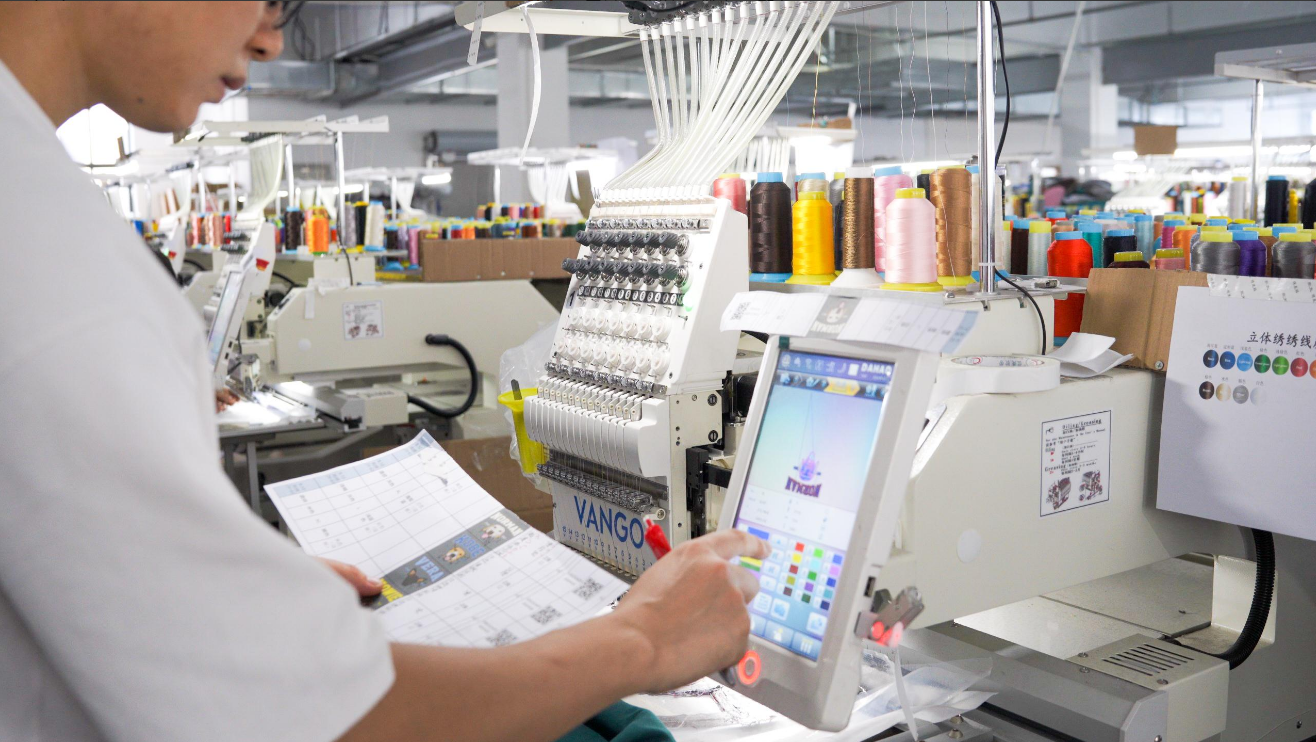
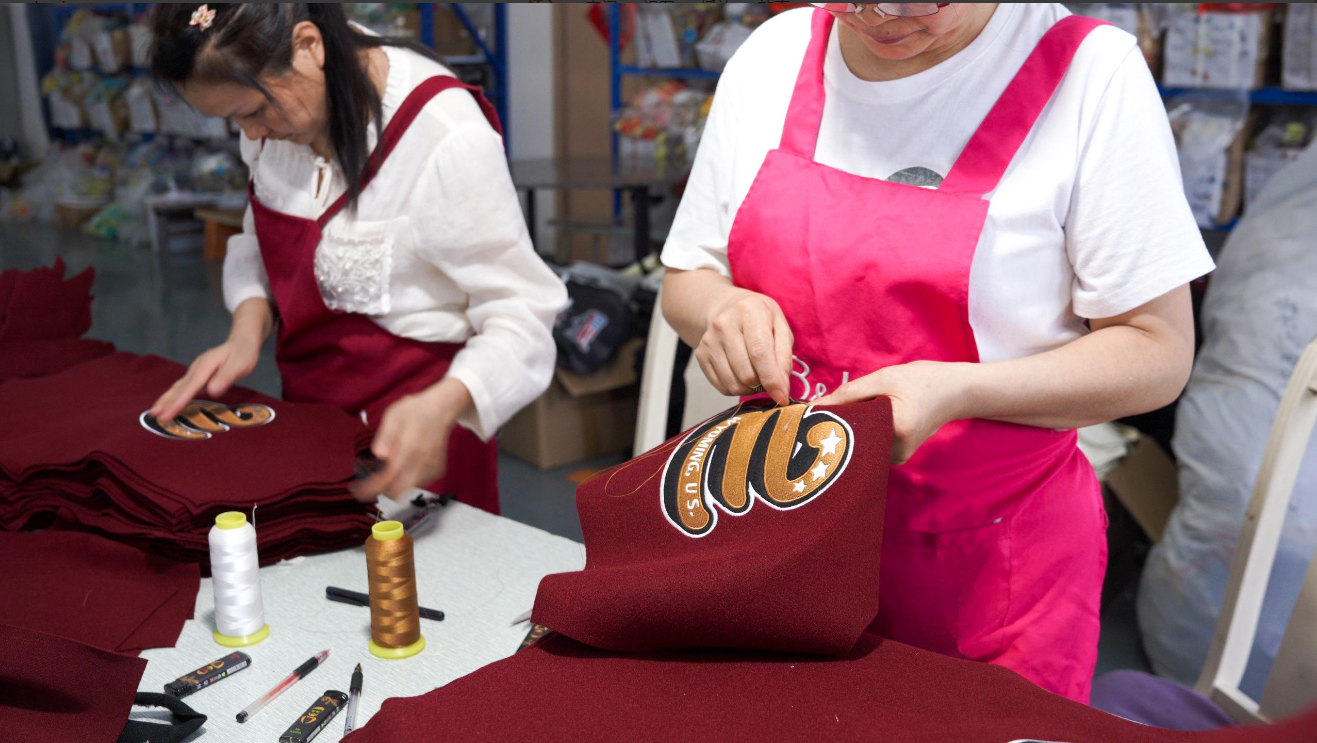 Once a design proves demand, successful brands move beyond POD.
They transition bestsellers into small-batch production, unlocking:
Better fabric options
Custom labels and tags
Significantly higher margins
7. Product Development: Turning Ideas into Wearable Quality
Custom apparel requires sampling and real-world testing.
You must compare:
How it looks in ads
How it fits and feels in real life
Sizing must be optimized for target markets, as U.S. and European sizing differs significantly from Asian standards.
Your Sourcing Partner:
USAdrop’s 1-on-1 sourcing agents help you find reliable factories, manage sampling, and negotiate pricing — saving time, money, and costly mistakes.
8. Branding Beyond the Logo: Building a Premium DTC Experience
Branding is the soul of your business, and it’s felt most strongly during the unboxing moment.
Packaging: Branded mailers vs generic bags
Inserts: Thank-you cards, discount codes
Labeling: Custom neck tags and hangtags
Professional Branding with USAdrop:
Through Customization & Private Label services, sellers can add branded packaging, custom labels, and inserts that make the brand feel polished, premium, and trustworthy.
9. Fulfillment, Presentation & Content: The Hidden Drivers of Brand Quality
Even the best clothing can fail if it arrives late, wrinkled, or poorly presented online.
Fast delivery builds trust. Clean presentation builds confidence.
USAdrop offers local and global warehousing, including fast regional fulfillment.
Professional garment ironing and preparation ensure products arrive in perfect condition.
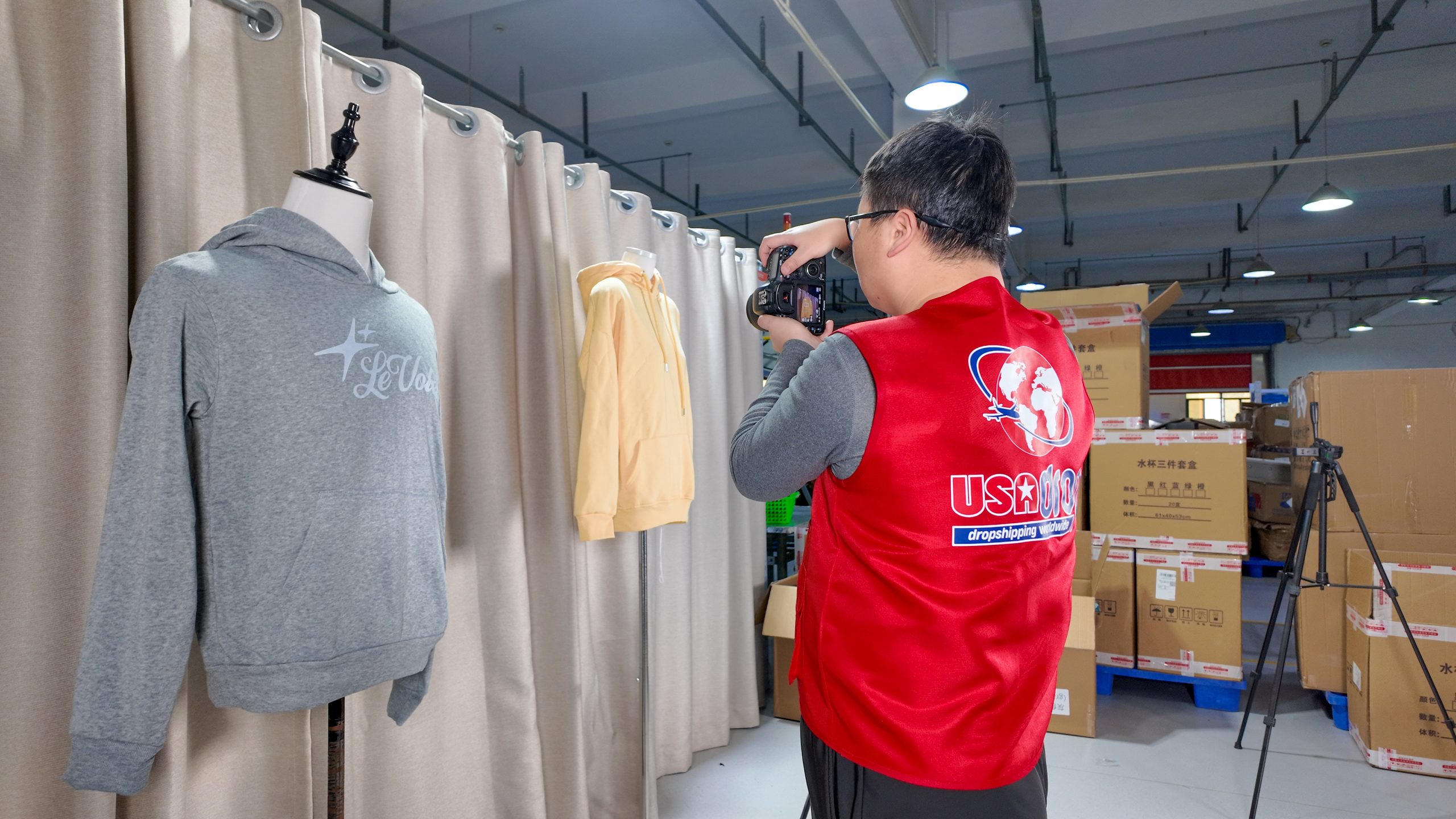
USAdrop also provides apparel photography services, allowing sellers to use real product images for their stores, ads, and social media — eliminating misleading visuals and increasing conversion rates.
10. Marketing a Quality Apparel Brand Without Discounts
Competing on price is unsustainable. Quality brands compete on value.
Focus on:
Storytelling and behind-the-scenes content
Real customer photos and UGC
Micro-influencers aligned with your brand aesthetic
11. Retention: Turning First-Time Buyers into Loyal Customers
The first sale often only covers ad costs. Real profit comes from repeat purchases.
Retention is driven by:
Product quality
Fast, reliable delivery
Consistent brand experience
When clothes fit well, look great, and arrive on time, customers become your strongest marketers.
12. Infrastructure That Supports Long-Term Apparel Branding
Scaling requires a stable, apparel-specific supply chain. You need a partner that can handle 5 orders or 500 orders with the same reliability.
Scalable Logistics with USAdrop:
With over 10 years of experience, USAdrop integrates seamlessly with Shopify, offers one-click fulfillment, free inventory storage, and handles the complexities of apparel sizing, colors, and seasonal demand.
Conclusion: From Transactions to Trust
The future of cross-border apparel isn’t about who can sell the cheapest shirt. It’s about who can build the most trusted brand. By focusing on quality-driven DTC models, you reduce competition, increase brand value, and build a business that compounds over time.
USAdrop is more than a supplier — we are your all-in-one apparel branding and fulfillment partner. From premium sourcing and garment preparation to professional product photography and fast global delivery, USAdrop handles the operations so you can focus on building the brand.
Start Building Your DTC Apparel Brand Today !
👉 https://app.usadrop.com/u?d=MjMyOTcz