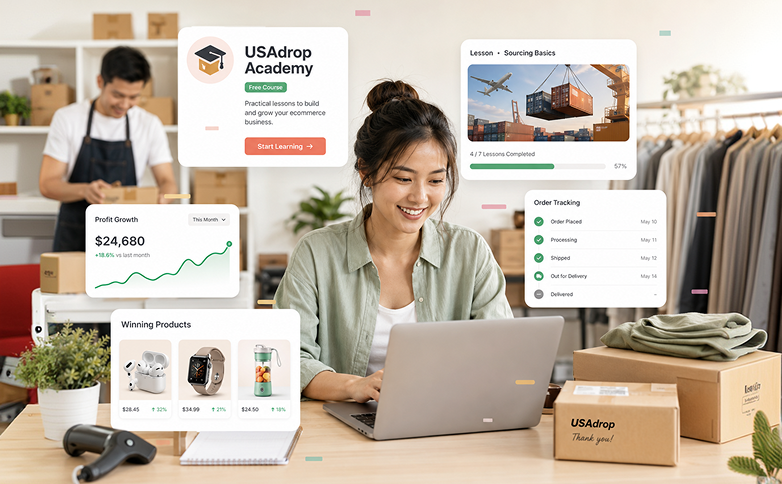
Quick answer: This is the main branded dropshipping guide. It owns the how-to process from niche and supplier choice through packaging and customer experience.
Related USAdrop resources: branded dropshipping examples, and private customization.
The online retail landscape in 2026 is more crowded than ever. If you’re selling the same generic products as 10,000 other stores, you’re competing on price alone—and that’s a race to the bottom. But there’s a better way. Branded dropshipping lets you sell products under your own brand name, creating a business that customers remember and return to.
We’ve seen the shift happen. Customers now care about who they’re buying from, not just what they’re buying. They want to trust the brands they support. That’s where branded dropshipping comes in—it combines the low overhead of traditional dropshipping with the power of building a real brand.
What Is Branded Dropshipping?
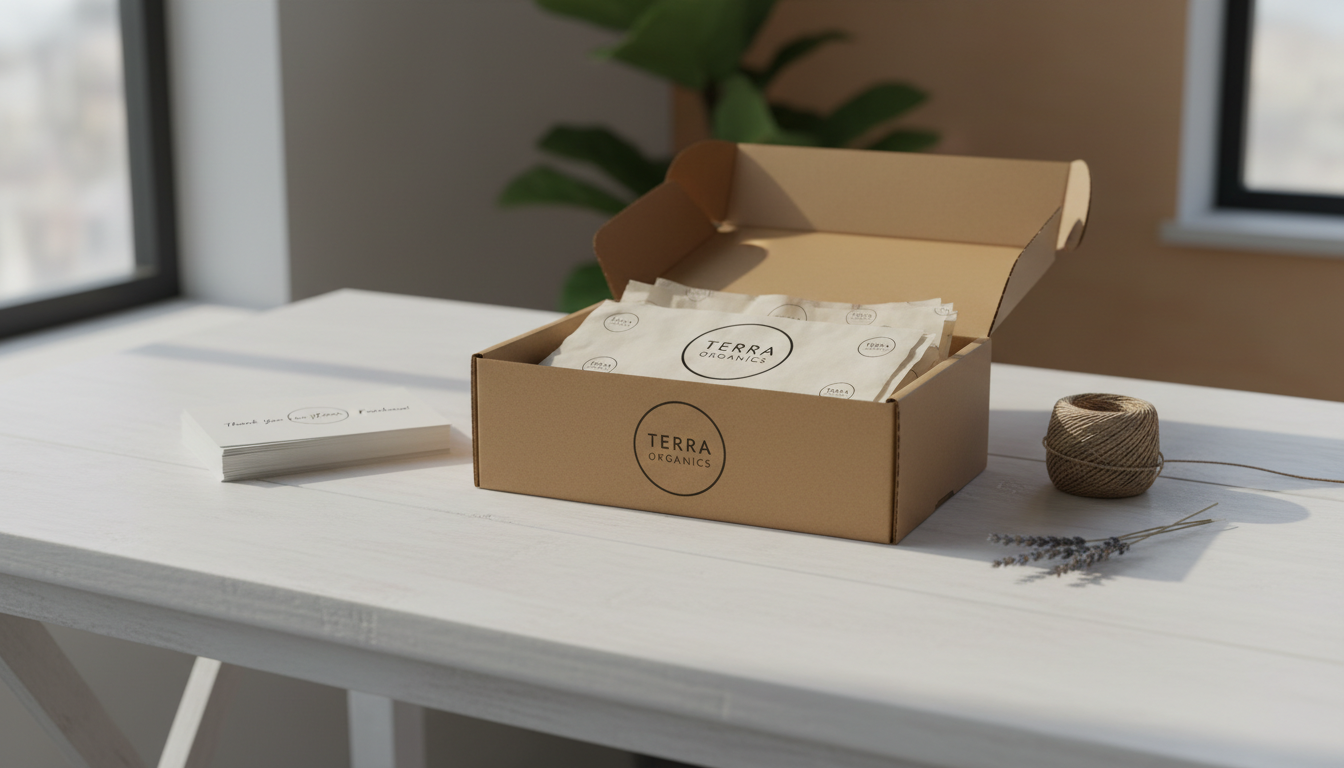
Branded dropshipping is a retail fulfillment method where you sell products under your own brand without holding inventory. Your supplier handles production, storage, and shipping, while you focus on branding and marketing.
The difference? Instead of shipping products in plain boxes with generic labels, branded dropshipping suppliers customize packaging with your logo, colors, and brand elements. Some even add your branding directly to the products themselves through methods like embroidery, stamping, or custom tags.
Think of it this way: Regular dropshipping is like being a middleman. Branded dropshipping is like running your own company—without the warehouse or production headaches. You’re selling an experience, not just a product. And that’s what makes customers come back.
Private label dropshipping is another term you’ll hear. It’s basically the same thing—partnering with suppliers to create products that feel like they came straight from your company, not a factory halfway across the world.
Why Branded Dropshipping Works Better Than Traditional Dropshipping
We’ll be straight with you: traditional dropshipping can be brutal. When 50 other stores sell the exact same product, customers pick whoever has the lowest price. Your profit margins shrink, and you’re stuck fighting price wars daily.
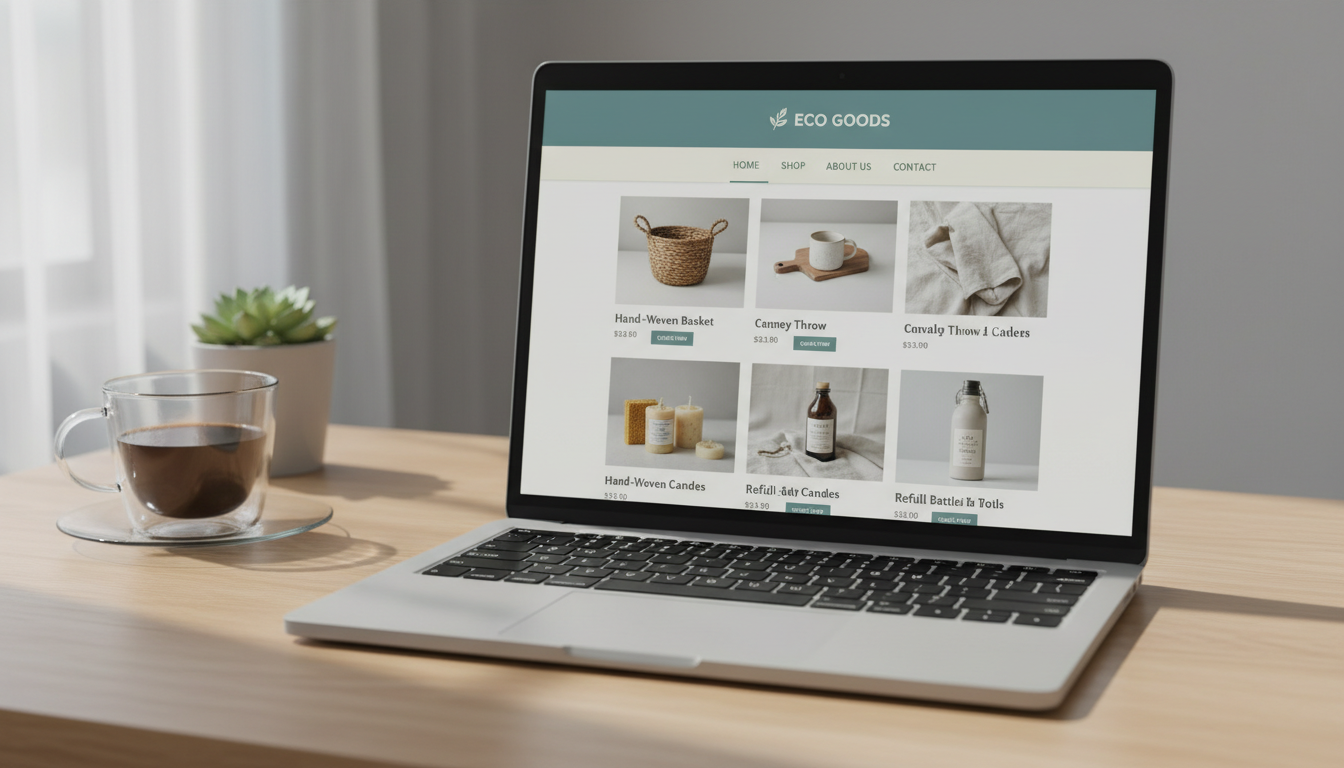
Branded dropshipping flips that script. When products carry your brand, you’re no longer competing solely on price. Customers see value in your unique identity, story, and the curated experience you provide. Research shows that private label products command 25-30% higher profit margins than generic alternatives.
Here’s what else makes it better:
Customer loyalty actually happens. When people receive a package with thoughtful branding—custom boxes, thank-you cards, branded tissue paper—they remember you. They’re more likely to order again and recommend you to friends.
You can charge more. Branded products feel more valuable. People pay premium prices for brands they trust, even if similar unbranded versions cost less elsewhere.
Standing out gets easier. Your brand identity—colors, voice, packaging, story—sets you apart. That uniqueness is hard for competitors to copy.
Lower return rates. When packaging and presentation match customer expectations, perceived quality goes up. Better perception means fewer disappointments and returns.
We work with fulfillment partners who understand these dynamics. Our fulfillment services help you deliver that branded experience consistently, so customers trust you from the first order.
Finding Your Niche
You can’t brand everything for everyone. Trying to appeal to all customers dilutes your message and makes you forgettable. Picking a specific niche focuses your efforts and helps you connect with the right people.
Don’t go broad. Instead of “fitness products,” try “yoga gear for beginners” or “home workout equipment for small apartments.” The narrower your focus, the easier it becomes to understand your audience and create messaging that resonates.
Look for niches that check these boxes:
Real demand exists. Use tools like Google Trends or browse popular hashtags on TikTok and Instagram to see what people are talking about.
Passion or problem-solving. The best niches either serve people passionate about something (like rock climbing or journaling) or solve a specific problem (like posture correctors or cord organizers).
Room for branding. Products with visible surfaces, custom packaging potential, or personalization options work best. Think apparel, accessories, home decor, or tech gadgets.
Common branded dropshipping categories include customized apparel, phone accessories, wellness products, pet supplies, and novelty gifts. We’ve seen success with all of these, but what matters most is finding something you can authentically build a brand around.
Building Your Brand Identity
Here’s where most dropshippers skip steps—and it costs them. Your brand identity isn’t just a logo slapped on a box. It’s the complete personality of your business, and it needs to be consistent everywhere.
Start with the foundation:
Define your mission and values. What do you stand for? Are you eco-friendly? Budget-conscious? Premium quality? Your values should guide every decision you make.
Know your audience inside out. Who are they? What do they care about? What problems keep them up at night? When you understand your customers deeply, your brand voice naturally clicks with them.
Create visual elements that stick. Your logo, color palette, fonts, and imagery should work together. You don’t need to hire an expensive designer right away—tools like Canva can get you started. But do make sure your visuals feel cohesive.
Develop a consistent brand voice. Are you friendly and casual? Professional and authoritative? Playful and quirky? Whatever you choose, keep it consistent across your website, social media, emails, and packaging.
Don’t overthink it. Your brand will evolve as you grow. The key is to start with something authentic that feels right for your niche and audience.
Choosing the Right Suppliers
Your supplier can make or break your branded dropshipping business. They’re your behind-the-scenes partner, handling the actual products customers receive. Pick wrong, and you’ll deal with complaints, returns, and damaged reputation.
Here’s what to look for:
Customization capabilities. Not all dropshipping suppliers offer branding services. You need partners who can add your logo to packaging, include custom inserts, or even customize products themselves.
Product quality you’d buy yourself. Always order samples before listing anything in your store. Inspect the materials, check print quality, test durability. If you wouldn’t buy it, don’t sell it.
Reliable shipping and communication. Fast shipping matters in 2026. Look for suppliers with warehouses in the US or close to your target market. And pay attention to how quickly they respond to questions—good communication now means fewer headaches later.
Transparent pricing. Make sure you understand all costs upfront: product cost, customization fees, shipping, and any minimum order requirements.
We offer private customization options that let you brand products your way. Plus, our marketing material support helps you present products professionally from day one.
Test small batches before committing fully. Place a few orders, evaluate the quality and delivery speed, then scale up if everything checks out.
Setting Up Your Online Store
Your website is your storefront, sales team, and brand ambassador all in one. It needs to look professional and make shopping easy.
Most successful branded dropshipping stores use Shopify. It’s beginner-friendly, integrates with dropshipping apps, and offers customizable themes that look polished without needing coding skills.
When building your store:
Match your brand identity everywhere. Use your colors, fonts, and logo consistently across every page.
Make mobile shopping seamless. Most people browse and buy on their phones. Test your site on mobile devices to make sure everything loads fast and works smoothly.
Write clear product descriptions. Don’t just list features. Explain benefits. Tell customers how this product fits into their lives. Use language that matches your brand voice.
Add trust signals. Customer reviews, clear return policies, secure payment badges, and contact information help new visitors feel confident buying from you.
Keep it simple. Don’t clutter pages with too much information or too many choices. Guide visitors toward the products that solve their problems.
If you’re selling products on TikTok Shop, we can help with that too. Our TikTok Shop integration makes it easy to reach customers where they’re already spending time.
Creating Your Product Lineup
You don’t need 500 products to launch. In fact, starting with 5-10 carefully chosen items works better. It lets you focus your branding efforts and test what resonates before expanding.
Choose products that:
Align with your brand story. Every product should make sense within your brand’s world. If you’re building an eco-friendly brand, don’t add cheap plastic gadgets just because they’re trending.
Have good profit margins. Calculate all costs—product, shipping, customization, platform fees, advertising—and make sure you can still charge a price that feels fair to customers while making money.
Photograph well. Visual products sell better online. Think about how items will look in photos and videos for your website and social media.
We also offer print-on-demand services for businesses that want maximum flexibility with minimal risk. You can test designs and products without committing to inventory.
Marketing Your Branded Dropshipping Store
You’ve got products. You’ve got a brand. Now you need customers. And in 2026, that means showing up where your audience already hangs out.
Social media is non-negotiable. TikTok, Instagram Reels, and YouTube Shorts are the fastest ways to get in front of potential customers. Create short, engaging videos showing your products in action. Focus on solving problems, not just showing features.
Paid ads drive sales. Facebook and Instagram ads still work when you target correctly. Start with small budgets, test different audiences and creatives, and scale what performs well. Google Shopping ads also work great for capturing people actively searching for products like yours.
Email marketing builds relationships. Collect emails through popups, discounts, or free guides. Then send regular updates about new products, sales, and helpful content. Email subscribers often become your most loyal customers.
Content marketing plays the long game. Blog posts, how-to guides, and YouTube videos help you rank in search results and establish authority in your niche. It takes time but builds sustainable traffic.
Influencer partnerships multiply reach. Find creators in your niche with engaged audiences. Send them products and see if they’ll share honest reviews or create content featuring your brand.
Consistency matters more than perfection. Post regularly, engage with comments, and keep showing up. Your brand grows through repeated exposure.
Delivering a Branded Experience
Branding doesn’t stop when someone clicks “buy.” The unboxing experience is where you cement customer loyalty or lose it.
Work with suppliers to create packaging that feels special:
Custom boxes or mailers with your logo and brand colors make a strong first impression.
Branded tissue paper or protective materials add a premium touch.
Thank-you cards with personalized messages or discount codes for next purchases encourage repeat orders.
Product inserts like care instructions, brand story cards, or stickers give customers something extra to remember you by.
Small details matter. When someone opens their package and sees thoughtful branding instead of a plain poly bag, they feel like they bought from a real company, not a random internet store.
For businesses shipping to Latin America, our LATAM dropshipping solution ensures reliable delivery while maintaining your branded packaging standards.
Measuring Success and Scaling
You’re not guessing—you’re tracking data to see what works. Monitor these metrics:
Conversion rate shows what percentage of visitors actually buy. If it’s low, test different product pages, pricing, or website design.
Customer acquisition cost tells you how much you spend on ads to get one customer. Keep this lower than your average order value.
Customer lifetime value measures total revenue from a customer over time. Branded stores with loyal customers see this number grow consistently.
Repeat purchase rate shows if people come back. This is where branding shines—strong brands have higher repeat rates.
As profits grow, reinvest in:
Better products and suppliers to improve quality and delivery times.
More advertising on channels that already work for you.
Professional photography and design to elevate your brand presentation.
Customer service tools that make supporting customers easier and faster.
Scaling isn’t about doing everything at once. It’s about doing what works, then doing more of it.
Avoiding Common Mistakes
We’ve seen these mistakes kill branded dropshipping businesses before they take off:
Inconsistent branding. Using different logos, colors, or voices confuses customers. Stay consistent everywhere.
Skipping product samples. Never sell something you haven’t seen and tested yourself. Quality issues destroy trust fast.
Ignoring customer service. When something goes wrong—and eventually it will—how you respond determines if customers stick around or leave angry reviews.
Competing on price alone. If your only selling point is being cheapest, you’re not really branding. Focus on value, quality, and experience instead.
Giving up too soon. Building a brand takes months, not weeks. Most successful stores didn’t see major profits for at least 3-6 months. Keep pushing.
Conclusion
Branded dropshipping in 2026 isn’t about quick wins or overnight success. It’s about building something real—a business customers trust and return to. The model works because it combines low-risk fulfillment with high-value branding, letting you create a profitable store without massive upfront investment.
Start by picking a focused niche, finding reliable suppliers, and building a consistent brand identity. Set up a professional store, market strategically, and deliver branded experiences that make customers feel valued. Track your metrics, learn from data, and reinvest profits into growth.
The dropshipping market continues to expand, but generic stores are losing ground to brands that connect with customers. You don’t need to be perfect from day one. You just need to start, stay consistent, and keep improving. That’s how we’ve seen successful branded dropshipping businesses built—one order, one customer, one improvement at a time.
FAQs
What’s the difference between branded dropshipping and regular dropshipping?
Regular dropshipping sells generic products in plain packaging, competing mainly on price. Branded dropshipping adds your logo, custom packaging, and brand identity to create a unique experience. This lets you charge premium prices, build customer loyalty, and stand out from competitors selling identical products.
How much money do I need to start a branded dropshipping business?
You can start with $200-500 for a domain, website platform subscription, sample products, and initial marketing. Branded dropshipping costs slightly more than regular dropshipping because of customization fees, but you don’t need thousands upfront. Budget more for advertising once you validate products that sell.
Can I use my own branding with any dropshipping supplier?
No. Not all suppliers offer customization options. You need to specifically find suppliers who support branded dropshipping—meaning they’ll add your logo to packaging, include custom inserts, or modify products. Always ask about branding capabilities before partnering with a supplier.
How long does it take to see profits from branded dropshipping?
Most stores see their first sales within weeks but don’t become consistently profitable for 3-6 months. Building a brand takes time. You’re not just making one-time sales—you’re creating trust and loyalty that leads to repeat customers and sustainable income.
What products work best for branded dropshipping?
Products with visible branding potential work best: customized apparel, accessories, phone cases, home decor, beauty products, and tech gadgets. Choose items your target audience actually wants, that photograph well, and that allow space for your logo or custom packaging.