The market for print on demand companies is booming — and for good reason. Entrepreneurs worldwide are discovering that selling custom-printed products without holding inventory is one of the smartest ways to launch a low-risk e-commerce business. Whether you want to sell custom T-shirts, mugs, phone cases, or wall art, the right POD partner can make or break your success. This guide breaks down everything you need to know about choosing, evaluating, and scaling with print on demand companies in 2026 — from what to look for in a supplier to how to maximize your profit margins.
What Print On Demand Actually Is
Print on demand (POD) is a fulfillment model where products are manufactured and printed only after a customer places an order. There’s no upfront inventory investment, no bulk purchasing requirement, and no risk of sitting on unsold stock. You design the product, list it in your store, and the POD company handles printing, packaging, and shipping directly to your customer.
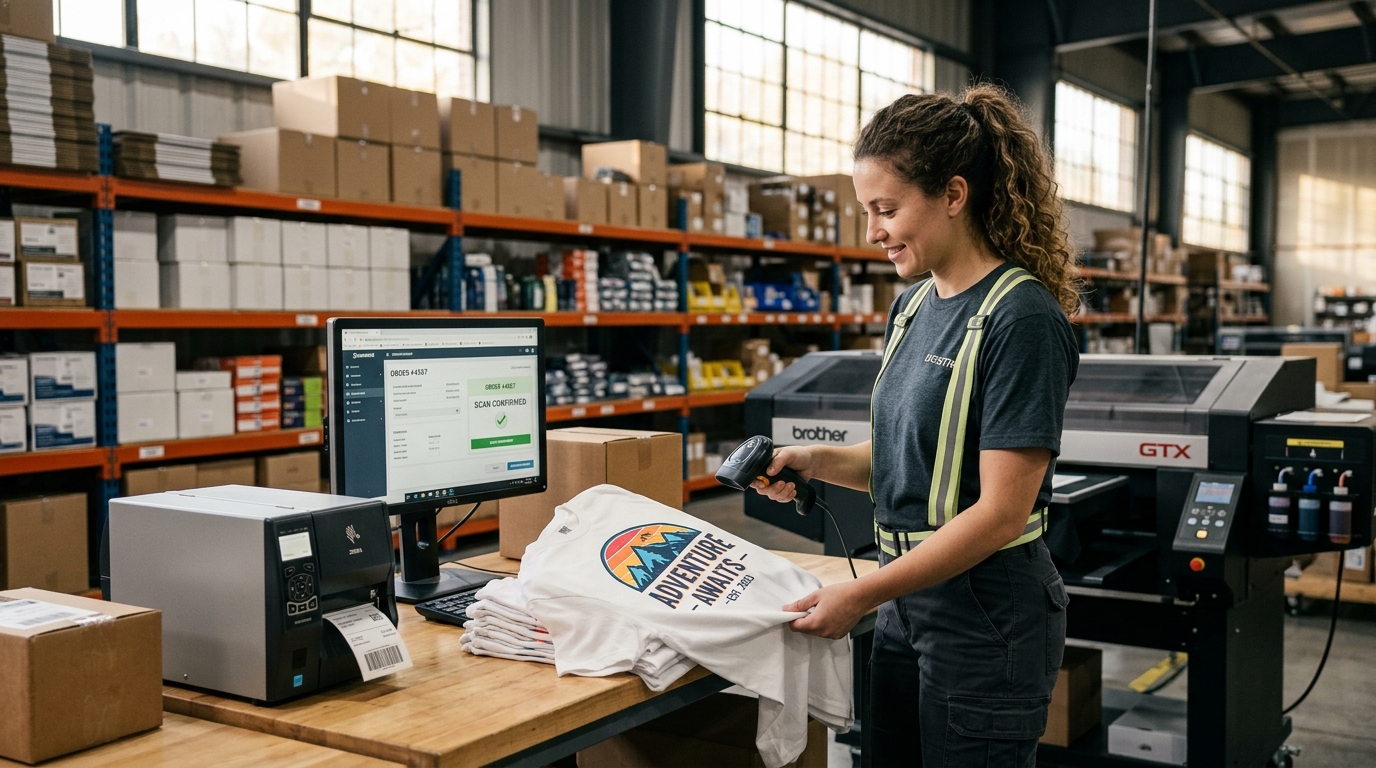
This model has transformed how independent creators and small businesses approach e-commerce. Rather than committing thousands of dollars to inventory before you know what sells, you can test dozens of designs and product types simultaneously with zero financial exposure. It’s an especially powerful entry point for artists, content creators, and niche brand builders who want to monetize their audience without logistics headaches.
For anyone exploring print on demand as a business model, the appeal is clear: low startup costs, global reach, and the ability to scale rapidly once winning products are identified. However, not all POD platforms are equal — quality, pricing, shipping speed, and product range vary significantly across providers, which is why evaluating your options carefully matters enormously.
Top Print On Demand Companies
The POD landscape has matured considerably, and a handful of platforms dominate the space heading into 2026. Understanding what differentiates them helps you align your choice with your specific business goals.

Printful remains one of the most recognized names in the industry, offering a wide product catalog, strong integrations with Shopify and Etsy, and reliable print quality. Their branding options — including custom labels and packing slips — make them popular among sellers who want a polished, white-label experience. However, their base prices tend to sit on the higher end, which can squeeze margins on competitive niches.
Printify operates a network model, connecting you with dozens of third-party print providers worldwide. This gives you more flexibility on pricing and product selection, but quality can vary between print partners. Gooten, SPOD, and Gelato are other strong contenders, each with unique strengths in speed, sustainability, or geographic reach. Meanwhile, platforms like Redbubble and Merch by Amazon serve a different audience — creators who prefer a marketplace over building their own branded storefront. Evaluating which model fits your vision is the foundational decision before you commit to any single provider.
How to Evaluate POD Suppliers
Not all print on demand companies are created equal, and choosing the wrong one can result in slow shipping, poor print quality, and unhappy customers who never return. Knowing what to assess before committing saves you expensive headaches later.

Product quality and print consistency should be your first filter. Order samples from any POD company you’re seriously considering. Evaluate color accuracy, material feel, stitching quality (for apparel), and how the product holds up after washing. A great design printed poorly destroys brand credibility instantly.
Shipping speed and coverage matter enormously for customer satisfaction. In 2026, consumers expect fast delivery — ideally within five to seven business days for domestic US orders. Check whether your POD supplier has fulfillment centers close to your primary customer base, since proximity directly impacts transit times. Some platforms only ship from one or two locations, adding unnecessary days to delivery windows.
Pricing and profit margins determine whether your business is actually viable. Calculate your cost of goods, shipping fees, and any platform subscription costs against realistic selling prices in your niche. Aim for at least a 30–50% margin on every product. Finally, assess integration quality — your POD platform should sync seamlessly with your storefront, automate order routing, and provide real-time tracking so you’re never manually managing fulfillment.
POD vs. Traditional Dropshipping
Understanding where print on demand fits within the broader world of custom dropshipping helps you make smarter strategic decisions. Both models eliminate the need to hold inventory, but they serve different business purposes and carry different trade-offs.

Traditional dropshipping involves selling existing products manufactured by suppliers, which you then resell under your store’s branding or as-is. The product already exists — you’re competing primarily on marketing, price, and customer experience. Print on demand, by contrast, puts creative differentiation front and center. Your designs are unique, which means lower direct competition and stronger brand identity potential. Two sellers using the same POD platform can sell entirely different things simply by virtue of their creative direction.
That said, POD typically carries higher per-unit costs than bulk dropshipping because every item is produced individually. Margins can be tighter, especially in saturated niches like generic graphic tees. The sweet spot is combining POD with a strong niche and brand story that justifies premium pricing. Sellers who blend both models — running a core POD line alongside traditional dropshipped products — often build the most resilient and diversified stores. The key is understanding your audience deeply enough to know which approach (or which combination) serves them best.
Scaling Your POD Business in 2026
Once you’ve validated a product and built consistent sales, the focus shifts from testing to scaling — and that’s where strategy becomes critical. Most successful print on demand businesses hit their growth ceiling not because demand dries up, but because their systems can’t keep pace.
Niche down aggressively. Generic designs compete against millions of listings. Hyper-specific niches — think “retired firefighter humor mugs” or “mountain hiking dog owner” T-shirts — face far less competition and attract customers who feel deeply seen by the product. The more specific your targeting, the higher your conversion rates tend to be.
Invest in customer retention. POD businesses often focus obsessively on acquisition while neglecting the customers they’ve already won. Email marketing, post-purchase sequences, and loyalty programs can dramatically increase lifetime customer value, reducing your dependence on paid ads for every sale.
Expand your product catalog strategically. Once a design concept proves itself on one product type, extend it across related SKUs — if a design sells well on a T-shirt, test it on a hoodie, a tote bag, and a mug. This multiplies revenue per successful concept without requiring new creative development. Partnering with the right print on demand companies ensures your fulfillment scales alongside your marketing.
Finally, optimize for search traffic across both your storefront and the marketplaces where you list. Understanding SEO basics for product titles, tags, and descriptions can generate consistent organic traffic that costs nothing per click, compounding your profitability over time. Sellers who treat their POD business like a real brand — with a coherent visual identity, clear messaging, and genuine customer relationships — consistently outperform those who treat it as a pure side hustle.
FAQ
What are print on demand companies?
Print on demand companies are platforms or services that allow sellers to create custom-designed products — such as T-shirts, mugs, phone cases, and posters — that are manufactured only when an order is placed. This means there’s no inventory risk, no upfront manufacturing cost, and no need to handle physical products. The POD company handles printing, packing, and shipping directly to your end customer, while you focus on design, marketing, and sales. Popular examples include Printful, Printify, Gelato, and SPOD.
How much profit can POD generate?
Profit margins in print on demand vary depending on the platform, product type, and your selling price. On average, sellers aim for 30–50% gross margins after product cost and shipping. Apparel margins tend to be tighter due to higher base costs, while accessories like phone cases and home goods often allow for more comfortable markups. Sellers who focus on niche audiences and develop strong brand positioning regularly achieve margins above 50% by commanding premium prices their competitors cannot match.
Which POD company is best for beginners?
For beginners, Printful and Printify are the most commonly recommended starting points. Printful offers a straightforward interface, high-quality products, and reliable integrations with major e-commerce platforms like Shopify and Etsy. Printify provides more pricing flexibility through its network of print providers. The best choice depends on your priorities — if print quality and brand consistency matter most, Printful is a strong default. If maximizing margin is the priority, Printify’s network gives you more room to negotiate costs.
How fast do POD companies ship?
Shipping times vary significantly by platform and product. Most major print on demand companies offer domestic US shipping within five to ten business days when using standard shipping. Some platforms, like SPOD, advertise fulfillment times as fast as 48 hours for certain products. Choosing a POD supplier with US-based fulfillment centers dramatically reduces transit time for American customers, which is increasingly important given rising consumer expectations around delivery speed in 2026.
Can I combine POD with dropshipping?
Absolutely — many successful e-commerce sellers combine print on demand with traditional wholesale dropshipping in a single storefront. POD products serve as your branded, differentiated line while dropshipped products fill in your broader catalog. This hybrid approach lets you build brand identity through custom products while maintaining the variety and competitive pricing of a wider product range. Most major e-commerce platforms support multiple fulfillment integrations simultaneously, making it straightforward to manage both models from one dashboard.
Whether you’re just starting out or looking to expand an existing store, the right print on demand partner can become one of your most powerful growth levers in 2026. At USADROP, we combine the flexibility and creativity of POD with the infrastructure of a proven fulfillment powerhouse — 80M+ orders fulfilled, 18 global warehouses, and the ability to get your store launched within 24 hours. Our pricing runs 8.66% lower than industry averages, helping you protect margins while you scale. Explore how USADROP can supercharge your custom dropshipping strategy and take your POD business to the next level.