Introduction:

How can new sellers achieve explosive business growth on TikTok from 0 to 1 or even to 100? How can established dropshippers use TikTok to break through the bottleneck of business growth?
With a staggering global user base of 1 billion monthly active users, TikTok has become a giant in the social media space. In the US alone, the platform has a whopping 218 million users, 75% of whom fall into the coveted high-net-worth individual category. It’s no wonder that industries such as fashion, beauty and technology continue to grow rapidly on this dynamic platform. Whether showcasing the latest clothing trends, beauty tips, or must-have gadgets, TikTok has become a key player in shaping consumer behavior and driving trends across industries.
Regarding how to operate TikTok, here is a formula:
Good Product + Good Content + Good Traffic=Big Sale

First, what is a good product category?
In the dynamic world of TikTok, identifying “good” product categories entails pinpointing those experiencing rapid Gross Merchandise Volume (GMV) growth rates on the platform. These categories, by virtue of their accelerating GMV, denote burgeoning trends that capture the attention of TikTok’s vast user base. Let’s delve into these categories and explore their potential for sellers seeking lucrative opportunities.
1. Fashion Forward:
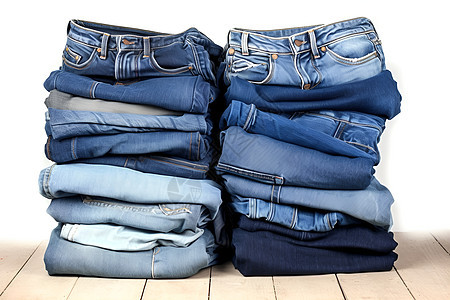
While shapewear witnessed a notable surge in GMV during Q4 of the previous year, the intensifying competition within this category warrants a strategic shift in focus. Sellers are encouraged to explore alternative avenues within the fashion realm, such as plus-size women’s apparel, everyday attire including tops and bottoms, and denim. These three subcategories stand out as prime candidates for future official support from TikTok, presenting promising opportunities for sellers to capitalize on emerging trends and consumer preferences.
2. Beauty and Personal Care Powerhouses:
Within the realm of beauty and personal care, certain products lead the pack in terms of GMV growth. False eyelashes, skincare essences, and makeup tools emerge as frontrunners, with false eyelashes notably achieving impressive results during Q4. Many top-tier vendors in this segment have leveraged strategic advertising to attain remarkable Returns on Spend (ROS), with the low production costs of false eyelashes allowing ample budgetary flexibility for advertisers.

3. Cutting-Edge Consumer Electronics:
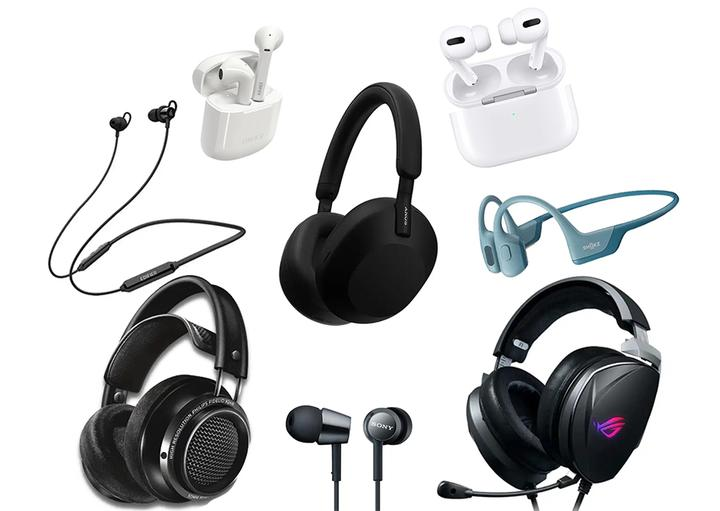
In the realm of consumer electronics (3C), specific product categories have surged ahead in terms of GMV. Charging products, including data cables, power banks, Bluetooth earphones, and over-ear headphones, dominate both the US and Southeast Asian markets. These four subcategories consistently exhibit exceptional performance, attracting significant traction and consumer interest across diverse demographics.
4. Home and Lifestyle Essentials:
In the realm of home and lifestyle, products priced between $20 and $70 in the US market command significant attention from TikTok users. This price range aligns with the platform’s user demographic, facilitating shorter decision-making cycles and lower decision costs. Additionally, products with compelling usage scenarios and a propensity for generating abundant content present sellers with opportunities to effectively engage TikTok users and foster product adoption.

By strategically aligning their offerings with these thriving categories and crafting compelling content tailored to TikTok’s unique ecosystem, sellers can effectively capitalize on emerging trends and leverage the platform’s vast reach to drive sales and foster brand growth.
Secondly, how to make good content?
Expanding on the content provided, let’s delve into the topic of maximizing GMV (Gross Merchandise Volume) by dissecting it into two main components: the shelf scene (self-exploration) and the content scene (word-of-mouth seeding).
The “shelf scene” refers to what we commonly refer to as the GMV of a marketplace. Within the realm of marketplace GMV, there are two key aspects: shop operation and account operation.
Shop operation entails various methodologies, such as monitoring the shop’s negative feedback rate, default rate, and corresponding performance assessments. However, many sellers tend to overlook account operation.

In reality, especially in an era where brand and private-label customers are emerging rapidly, it is crucial for businesses to devote more attention to account operation. Firstly, the shop account serves as a endorsement of your brand, capable of accumulating brand audience assets for the store. Moreover, when the account’s followers reach a certain critical mass, it enables remarketing efforts to be directed towards these followers. Secondly, the audience assets of the shop account itself serve as a flexible promotional channel, as these followers tend to spontaneously recommend products to their friends and family, thereby amplifying the brand’s visibility.
Now, let’s discuss how to excel in content creation:
Audience-Centric Approach:
Understand your audience’s preferences, pain points, and interests. Tailor your content to resonate with them and provide value.
Consistency:
Regularly publish high-quality content to keep your audience engaged and coming back for more. Consistency builds trust and credibility.
Originality:
Offer unique perspectives, insights, or solutions that set your content apart from competitors. Original content attracts attention and fosters loyalty.
Visual Appeal:
Incorporate eye-catching visuals, such as images, infographics, and videos, to enhance engagement and convey information more effectively.
SEO Optimization:
Optimize your content for search engines to improve its visibility and reach. Use relevant keywords, meta descriptions, and backlinks to boost organic traffic.
Engagement and Interaction:
Encourage interaction with your audience through comments, polls, and discussions. Respond promptly and authentically to foster a sense of community.
Analytics and Iteration:
Track performance metrics, such as engagement rates, click-through rates, and conversions. Use data-driven insights to refine your content strategy and continuously improve.
Collaboration and Networking:
Collaborate with influencers, industry experts, or complementary brands to reach new audiences and enhance credibility.
By implementing these strategies, you can create compelling content that resonates with your audience, drives engagement, and ultimately contributes to the success of your business.
Conclusion:
In today’s content, we have introduced the golden formula you need to run your TikTok shop on TikTok, as well as a detailed analysis of what constitutes a good product and content. Have you mastered it? So in the next blog we will continue to introduce how to get more traffic and how to monetize it. See you next time, see you there!